Discovering Nepeta Catmint's Charm
Posted on: 2026-03-27
By: Clara M. Greene
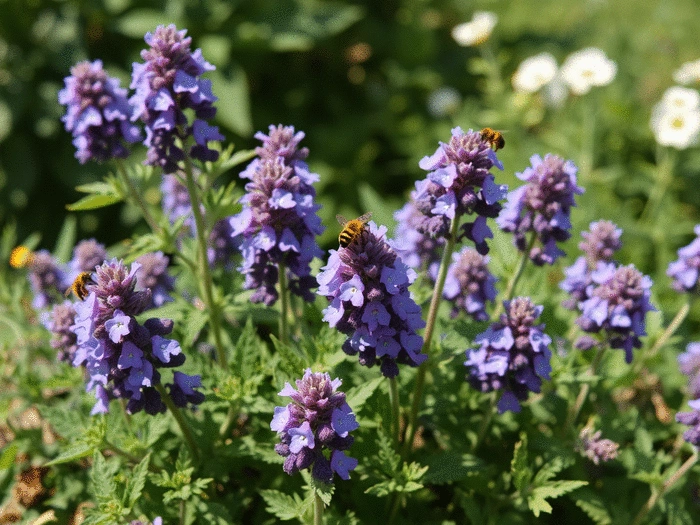
Have you ever considered how a single plant could transform your garden into a sanctuary for both beauty and biodiversity? Nepeta Catmint, with its charming lavender-blue flowers and aromatic foliage, is a game-changer for gardeners looking to enhance their outdoor spaces.
What You Will Learn
- Nepeta Catmint is a hardy perennial that thrives in various soil types and conditions.
- The plant attracts beneficial pollinators, including bees and butterflies, promoting local biodiversity.
- Its stunning lavender-blue flowers provide visual interest and complement many garden styles.
- Catmint is low maintenance, making it ideal for busy gardeners seeking a resilient addition to their gardens.
- It is drought tolerant, making it a great choice for xeriscaping and sustainable gardening practices.
The Versatile Charm of Nepeta Catmint: Key Characteristics and Benefits
Nepeta Catmint is a resilient and attractive plant offering numerous benefits to any garden. Its unique characteristics make it a favorite for both aesthetic appeal and ecological support. Below is a summary of its key attributes and advantages. For those interested in starting their gardening journey, exploring essential tools for new gardeners can be a great first step.
● Key Characteristics
- ‣ Fragrant, gray-green foliage for culinary use
- ‣ Resilient in various soil and growing conditions
- ‣ Low maintenance, ideal for busy gardeners
● Ecological & Garden Benefits
- ‣ Attracts beneficial pollinators (bees, butterflies)
- ‣ Long-lasting lavender-blue flowers
- ‣ Great for borders and combining with other perennials
Classification & Adaptability
● Botanical Classification
- ‣ Family: Lamiaceae (Mint Family)
- ‣ Genus: Nepeta
- ‣ Common Name: Catmint
● Growing Adaptability
- ‣ Thrives in various climates across the U.S.
- ‣ Excellent resilience and toughness
- ‣ Supports biodiversity and garden health
Understanding Nepeta Catmint: A Versatile Garden Favorite
As a passionate gardener, I’ve always been drawn to Nepeta Catmint for its versatility and charm! This plant not only adds beauty to your garden but also serves many practical purposes. Whether you’re a novice or an experienced gardener, exploring the world of Catmint can elevate your gardening experience.
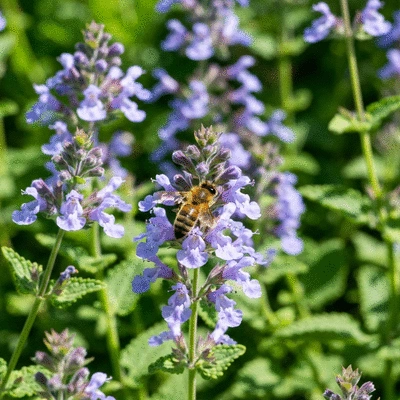
Nepeta Catmint is a member of the mint family, and it’s loved for its fragrant foliage and stunning flowers. It’s not just a pretty face; this plant is hardy and thrives in various conditions, making it a reliable choice for many gardeners across the United States! To determine if Catmint is suitable for your region, understanding USDA hardiness zones is highly beneficial.
What is Nepeta Catmint and Its Unique Characteristics?
Nepeta Catmint is a perennial herb known for its aromatic leaves and lavender-blue flowers that bloom throughout the summer. One of its unique characteristics is its ability to attract pollinators, including bees and butterflies, which makes it a favorite among gardeners interested in supporting local wildlife.
- Fragrant, gray-green foliage that can be used in culinary dishes
- Resilient in various soil types and growing conditions
- Low maintenance, making it perfect for busy gardeners
This plant is often mistaken for its cousin, catnip, but it has a more garden-friendly demeanor, making it suitable for ornamental use. Trust me, if you haven’t tried growing Catmint yet, you’re in for a delightful surprise!
Exploring the Aesthetic Appeal of Catmint’s Lavender-Blue Flowers
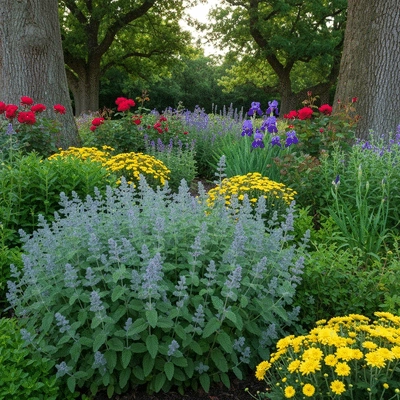
The visual appeal of Catmint cannot be overstated. Its clusters of delicate lavender-blue flowers create a dreamy atmosphere in any garden setting. The vibrant color complements a variety of plantings, from bright flowering annuals to lush green shrubs.
- Great for borders and edging due to its compact growth habit
- Pairs beautifully with other perennials like daylilies and salvia
- Attracts beneficial insects, enhancing the overall health of your garden
Moreover, the flowers are long-lasting, providing visual interest throughout the growing season. As you stroll through your garden, you’ll appreciate how Catmint brings a sense of tranquility and harmony!
The Role of Nepeta in the Lamiaceae Family: Understanding Its Classification
Being part of the Lamiaceae family, Nepeta Catmint shares this classification with many other well-loved herbs and flowers, such as basil, mint, and oregano. This family is known for its aromatic properties, which makes Nepeta not only a visual delight but also a fragrant addition to your garden.
In addition to its classification, Nepeta Catmint is recognized for its adaptability. It can thrive in a range of climates across the United States, which speaks to its resilience and toughness. It’s a wonderful choice for any gardener looking to add a robust plant to their collection!
- Family: Lamiaceae
- Genus: Nepeta
- Common Name: Catmint
Understanding the classification of Nepeta Catmint can help you appreciate its ecological benefits and its role in supporting biodiversity. As we dive deeper into choosing the right varieties and utilizing Catmint in your garden design, you’ll see just how special this plant truly is! For more insights on plant care, consider reading about plant care tips for home gardeners.
We Want to Hear From You!
Have you ever grown Nepeta Catmint in your garden? What benefits have you noticed? Share your thoughts and experiences below:
Frequently Asked Questions about Nepeta Catmint
Q: What is Nepeta Catmint?
A: Nepeta Catmint is a hardy perennial herb known for its fragrant foliage and delicate lavender-blue flowers. It is a member of the mint family (Lamiaceae) and is popular for its aesthetic appeal and ability to attract pollinators.
Q: What are the main benefits of growing Nepeta Catmint?
A: Key benefits include its visual appeal with long-lasting lavender-blue flowers, its ability to attract beneficial pollinators like bees and butterflies, its drought tolerance, and its low-maintenance nature, making it ideal for busy gardeners.
Q: Is Nepeta Catmint the same as catnip?
A: While both are in the Nepeta genus and mint family, Nepeta Catmint is distinct from catnip. Catmint is generally preferred for ornamental garden use due to its more controlled growth and extended bloom time, while catnip is specifically known for its stimulating effect on cats.
Q: What kind of growing conditions does Nepeta Catmint prefer?
A: Nepeta Catmint is highly adaptable and resilient. It thrives in full sun and well-drained soil. It is also known for its drought tolerance, making it suitable for various climates across the United States.
Q: How can Nepeta Catmint be used in garden design?
A: Catmint is versatile and excellent for borders, edging, and mass plantings. Its lavender-blue flowers complement many other perennials, adding a sense of tranquility and harmony to garden beds. It also enhances biodiversity by attracting beneficial insects.
Final Thoughts on Cultivating and Enjoying Nepeta Catmint
As we wrap up our exploration of Nepeta Catmint, it's clear that this versatile plant offers a wide range of benefits for both novice and experienced gardeners. From its beautiful lavender-blue flowers to its ability to attract beneficial pollinators, Catmint is a delightful addition to any garden. Here’s a quick recap of its key benefits:
- Visual Appeal: The stunning blooms add color and texture to your garden.
- Pollinator Friendly: Attracts bees and butterflies, enhancing biodiversity.
- Drought Tolerance: Thrives in dry conditions, making it perfect for xeriscaping.
- Low Maintenance: Requires minimal care, making it ideal for busy gardeners.
By incorporating different varieties of Catmint, such as Walker's Low or Six Hills Giant, you can create a dynamic and thriving garden space that flourishes throughout the growing season. It's truly rewarding to see how these plants not only beautify your outdoor area but also support our precious pollinators!
Encouraging You to Start Your Catmint Journey Today
Now that you’re equipped with the knowledge and understanding of Nepeta Catmint, I encourage you to start your own journey with this wonderful plant! Whether you want to enhance your borders, create a pollinator haven, or simply enjoy its beauty, Catmint is ready to thrive in your garden.
Begin by choosing a spot that gets full sun and has well-drained soil. Planting your Catmint can be an exciting project you tackle this season. Remember, gardening is all about the journey, and I’m here to help you every step of the way. So gather your materials, roll up your sleeves, and let’s make our gardens more vibrant together! For those looking for guidance on healthy soil, check out our guide on healthy soil for thriving gardens.
Recap of Key Points
Here is a quick recap of the important points discussed in the article:
- Visual Appeal: Catmint's stunning lavender-blue flowers enhance the beauty of any garden.
- Pollinator Friendly: Attracts beneficial insects like bees and butterflies, supporting local wildlife.
- Drought Tolerance: Thrives in dry conditions, perfect for xeriscaping and low-maintenance gardens.
- Low Maintenance: Requires minimal care, making it ideal for busy gardeners.
- Versatility: Suitable for various garden designs, from borders to mixed plantings.
2026-08-28
Growing Herbs with Hydroponics
 Why settle for store-bought herbs when you can grow your own at home, in any space? Hydroponic garde
2026-08-27
Growing Sweet Corn from Seeds
 Ready to transform your gardening experience? Selecting the right sweet corn seeds can make all the
2026-08-27
Growing Aquaponic Tomatoes at Home
 Imagine harvesting juicy, flavorful tomatoes while actively contributing to sustainable agriculture.
2026-08-25
Soil Choices for Healthy Rosemary
 What if I told you that the secret to growing robust rosemary lies in the soil beneath your feet? Un
2026-08-23
Exploring Hydroponic Greenhouse Benefits
 Have you ever wondered how innovative techniques in gardening can reshape our food production? Hydro
2026-08-22
Growing Your Own Garlic Bulbs
 As you prepare to embark on your journey of growing garlic, consider this: garlic cultivation isn't