Easy Tips for Growing Chives
Posted on: 2026-06-16
By: Clara M. Greene
According to recent studies, gardening can significantly reduce stress levels and improve overall well-being. If you've ever wondered how to cultivate your own garden while boosting your health, growing chives might just be the perfect entry point!
What You Will Learn
- Chives are easy to grow and thrive in various climates across the U.S.
- They require well-draining soil rich in organic matter for optimal growth.
- Chives prefer full sun but can tolerate partial shade, especially in warmer climates.
- Rich in vitamins A and C, chives provide health benefits while enhancing the flavor of dishes.
- Regular watering and harvesting can encourage new growth and improve chive production.
- Engaging with the gardening community can enhance your gardening experience and knowledge.
Optimizing Chive Growth and Benefits
Chives are an easy-to-grow herb offering culinary versatility and health benefits. Key factors for successful cultivation include ideal soil and sunlight, while their nutritional value makes them a great addition to any diet. For more insights on general plant care, consider these plant care tips for home gardeners.
Understanding the Basics of Growing Chives
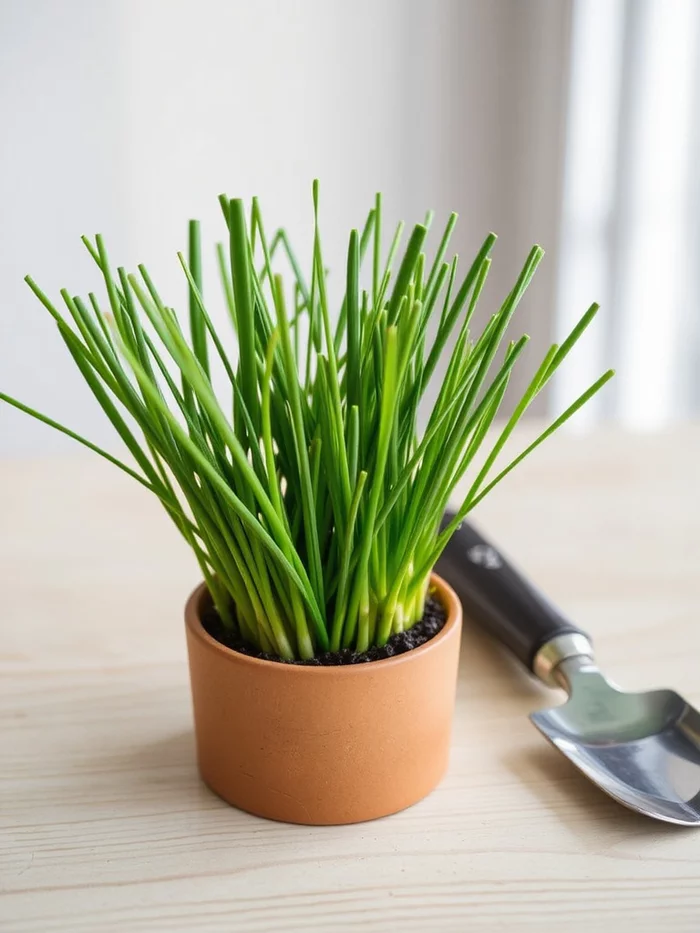
Chives are one of those delightful herbs that every gardener should consider adding to their garden! Not only are they easy to grow, but they also bring a burst of flavor to your dishes. Chives belong to the onion family and are characterized by their thin, green stems and a mild onion flavor that can elevate a variety of meals. Plus, they’re hardy and can be grown in many different climates across the United States!
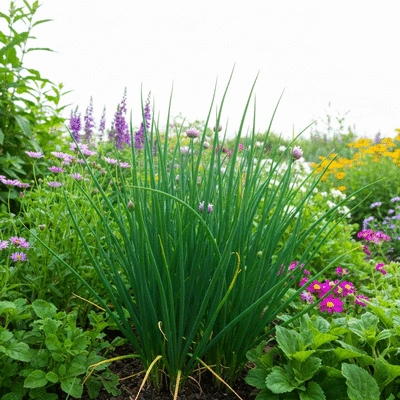
But why grow chives? For starters, they are incredibly versatile in the kitchen. You can sprinkle them on salads, soups, and even baked potatoes. With their beautiful purple flowers, they also add a nice aesthetic touch to your garden. So, if you’re looking for an herb that provides both beauty and flavor, chives are the way to go!
What Are Chives and Why Grow Them?
Chives (Allium schoenoprasum) are perennial herbs that thrive in most parts of the U.S. They are often used fresh, but they can also be dried for later use. Their flavor is milder than that of onions, making them a perfect seasoning for those who prefer a subtler taste. If you’re like me, you’ll love having fresh chives at your fingertips! For more great ideas on incorporating herbs, check out our guide on growing your own herb garden.
- Easy to grow and maintain
- Attractive flowers that enhance your garden
- Mild onion flavor that complements a variety of dishes
- Great source of vitamins A and C
By incorporating chives into your home garden, you’re not just adding an herb; you're also enhancing your cooking and nourishing your body!
Best Conditions for Growing Chives
To grow chives successfully, you must provide them with the right conditions. They are quite adaptable but do best in specific environments. Let's dive into what makes for ideal chive-growing conditions.
Ideal Soil Composition for Chives
Chives prefer well-draining soil rich in organic matter. A mixture of loamy soil and compost will work wonders! You can also add a little sand to improve drainage if you live in an area with heavy clay soil. It's essential to ensure that the soil pH is between 6.0 and 7.0 for optimal growth.
Before planting, test your soil to make sure it has the right nutrients and composition. Remember, healthy soil leads to healthy plants!
Optimal Sunlight Requirements: Full Sun vs. Partial Shade
Chives thrive in a sunny spot that receives at least 6-8 hours of sunlight each day. However, they can tolerate some shade, especially during the hottest parts of the day in warmer climates. If you notice your chives struggling in full sun, consider relocating them to a spot with some afternoon shade.
When choosing a location, observe how much sunlight your garden gets throughout the day. This way, you can ensure your chives get just the right amount of light to flourish!
Nutritional Value of Chives: Health Benefits and Culinary Uses
Chives are not just a flavorful addition to your meals; they are also packed with nutrients! They are an excellent source of vitamins A and C, as well as folate. Eating chives can boost your immune system, improve digestion, and even promote heart health.
- Rich in antioxidants
- Supports healthy digestion
- May help reduce inflammation
- Enhances flavor without adding calories
Incorporating chives into your diet is a simple way to add both flavor and nutrition to your meals. From salads to soups, their versatility makes them a must-have in any kitchen!
Quick Summary
Here's a brief recap of the key points discussed so far:
- Chives are easy to grow and thrive in various climates, making them a perfect addition to your garden.
- They require well-draining soil enriched with organic matter and prefer 6-8 hours of sunlight daily.
- Chives are packed with nutrients, offering health benefits while enhancing the flavor of your dishes.
Frequently Asked Questions About Growing Chives
- Q: Are chives easy to grow for beginners?
- A: Yes, chives are considered one of the easiest herbs to grow, making them perfect for beginner gardeners. They are adaptable and require minimal maintenance.
- Q: What kind of soil do chives prefer?
- A: Chives thrive in well-draining, loamy soil that is rich in organic matter. An ideal pH range for chives is between 6.0 and 7.0.
- Q: How much sunlight do chives need?
- A: Chives prefer full sun, ideally receiving 6-8 hours of direct sunlight per day. However, they can tolerate partial shade, especially in hotter climates.
- Q: What are the health benefits of eating chives?
- A: Chives are a good source of vitamins A and C, and folate. They are rich in antioxidants, can support digestion, and may help reduce inflammation.
- Q: How often should I water my chives?
- A: Chives need regular watering, but it's important to avoid overwatering to prevent root rot. Keep the soil consistently moist but not waterlogged.
- Q: How can I encourage new growth in my chive plants?
- A: Regular harvesting encourages new growth. Trim the outer leaves about 1-2 inches from the base whenever you need fresh chives.
Wrapping Up Your Chive Growing Journey
As we reach the end of our exploration into the world of chives, it’s important to reflect on the key points that will help you cultivate these delightful herbs successfully. Growing chives not only enhances your culinary creations but also adds a touch of green beauty to your garden. Here are some essential takeaways to keep in mind:
- Start with the right conditions: Ensure you have well-draining soil and plenty of sunlight.
- Regular watering is crucial, but avoid overwatering to keep your chives thriving.
- Consider companion planting to enhance growth and deter pests.
- Harvest regularly to encourage new growth and enjoy fresh chives in your meals!
By following these key practices, you'll find that growing chives can be a rewarding and enjoyable journey. Remember, each plant you grow is a step toward creating a vibrant garden that reflects your personal touch!
Engaging with the Gardening Community: Share Your Experiences
One of the most rewarding aspects of gardening is the sense of community that comes with it. I encourage you to share your chive-growing experiences with fellow gardeners! Whether you’re a novice or a seasoned gardener, your insights can inspire others and foster a supportive atmosphere.
- Join local gardening clubs or online forums to exchange tips and success stories.
- Participate in community gardening events to connect with like-minded individuals.
- Share your chive recipes and growing tips on social media—let’s inspire others to grow their own!
Remember, at All American Gardeners, we’re here to support you on your gardening journey. Feel free to reach out and share your own stories or ask questions—together, we can cultivate a thriving garden community!
Additional Resources and Next Steps
Recommended Reading and Tools for Chive Growing Enthusiasts
Now that you’re equipped with the knowledge to grow chives, it’s time to deepen your understanding and skills. Here are some recommended resources to help you on your journey:
- The Vegetable Gardener's Bible by Edward C. Smith - A comprehensive guide to vegetable gardening.
- Seed Starting for the Home Gardener - Explore techniques for starting your own seeds.
- Online tutorials and videos from gardening experts can offer visual guidance on planting and care.
By utilizing these resources, you’ll enhance your gardening skills and enjoy a richer experience as you grow your chives and other plants. For essential tools that can make your gardening tasks easier, explore our guide on essential tools for new gardeners.
Join Our Newsletter for Ongoing Tips and Support
Don’t miss out on the latest gardening tips and tricks! At All American Gardeners, we provide valuable insights, seasonal advice, and exclusive content tailored to home gardeners across the United States. Joining our newsletter means you’ll receive:
- Monthly gardening tips tailored for your region.
- Exclusive access to our latest articles and guides.
- Special offers on gardening tools and supplies!
Sign up today, and let’s continue this gardening journey together. Whether you’re cultivating chives, tomatoes, or any other plant, we’re here to support you every step of the way!
Recap of Key Points
Here is a quick recap of the important points discussed in the article:
- Chives are easy to grow, adaptable, and enhance both the flavor of dishes and the beauty of gardens.
- They thrive in well-draining, nutrient-rich soil with a pH between 6.0 and 7.0.
- Chives require 6-8 hours of sunlight daily but can tolerate some shade during the hottest parts of the day.
- Regular watering is important, but overwatering should be avoided for optimal growth.
- They are rich in vitamins A and C, antioxidants, and support overall health without adding calories.
- Harvesting regularly encourages new growth and allows for continuous use in culinary creations.
 Why settle for store-bought herbs when you can grow your own at home, in any space? Hydroponic garde
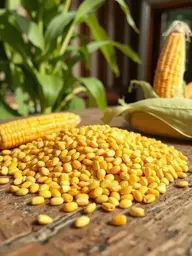 Ready to transform your gardening experience? Selecting the right sweet corn seeds can make all the
 Imagine harvesting juicy, flavorful tomatoes while actively contributing to sustainable agriculture.
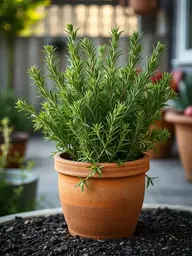 What if I told you that the secret to growing robust rosemary lies in the soil beneath your feet? Un
 Have you ever wondered how innovative techniques in gardening can reshape our food production? Hydro
 As you prepare to embark on your journey of growing garlic, consider this: garlic cultivation isn't