Echinacea Purpurea: The Purple Coneflower
- • Height: 2-4 feet
- • Bloom: Summer to Fall
- • Color: Purple, spiky center
- • Uses: Ornamental & Medicinal
Join Clara M. Greene's community for expert tips and seasonal guides tailored for American gardeners.
Posted on: 2026-05-03
By: Clara M. Greene
Did you know that Echinacea purpurea, commonly known as the purple coneflower, not only brightens up gardens but also offers a wealth of health benefits? This fascinating plant is a favorite among gardeners and pollinators alike, making it a valuable addition to any outdoor space.
Below is a summary of different Echinacea species and the ideal conditions for growing these beautiful perennials.
Welcome to the wonderful world of Echinacea purpurea, commonly known as the purple coneflower! This stunning herbaceous perennial is not only beloved for its vibrant blooms but also for its numerous health benefits. With its tall, sturdy stems and large, daisy-like flowers, Echinacea adds a pop of color to any garden. Plus, it's a favorite among pollinators, making it a fantastic choice for those of us who want to create a lively and thriving outdoor space.
As a passionate gardener, I absolutely love incorporating Echinacea into my garden. Its drought tolerance and resilience make it suitable for various conditions, and it's relatively easy to care for—perfect for both novice and seasoned gardeners alike! For more tips on nurturing your green space, check out our guide on plant care tips for home gardeners.
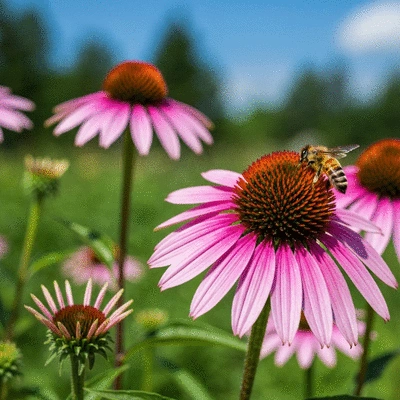
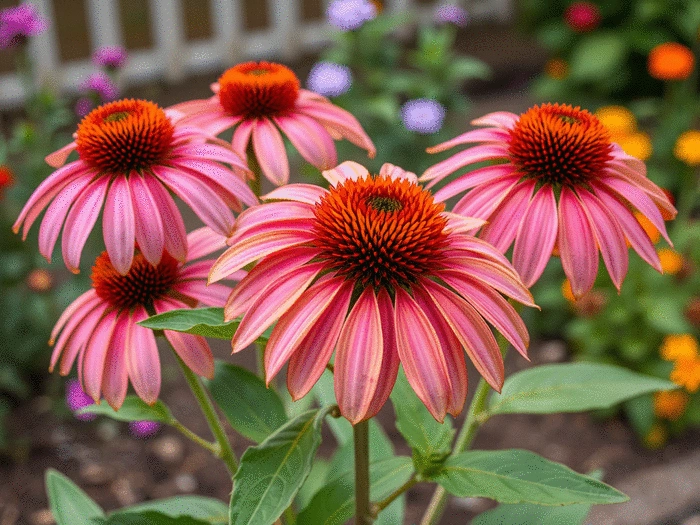
Echinacea purpurea is part of the daisy family, and it's renowned for its striking purple flowers that bloom from summer to fall. This perennial reaches heights of 2 to 4 feet and features spiky, cone-shaped centers that can attract bees and butterflies. What's more, it has been used traditionally for its medicinal properties, often to boost the immune system. Isn't it fascinating how a single plant can serve both aesthetic and health purposes?
Beyond its beauty, Echinacea purpurea thrives in well-drained soil and requires full sun to part shade—making it a versatile choice for many garden settings. Whether you’re planting a wildflower garden or creating a focal point, this coneflower is sure to impress!
While Echinacea purpurea may be the most recognized, there are several other fascinating species worth mentioning. Let's dive into a few of them:
Each of these species brings unique characteristics to the table, enriching our gardens and ecosystems. If you're like me, you’ll appreciate having a diverse selection of Echinacea in your gardening repertoire!
Let's take a moment to explore where these beautiful plants thrive. Echinacea is native to the eastern and central United States, primarily found in the prairies and open woods. You'll often spot them flourishing in well-drained soils, alongside wild grasses and other perennials. This natural habitat not only offers them the conditions they love but also supports a range of wildlife.
Understanding their native environment can help us create the perfect garden conditions for Echinacea to flourish. The best part? By planting Echinacea, you're also contributing to the conservation of native plant species and supporting local ecosystems! To better understand the ideal planting times and conditions in your area, consider exploring resources on USDA Hardiness Zones explained.
Echinacea has been used for centuries by Native American tribes for its medicinal properties, primarily to treat infections and boost immunity. Recent studies suggest that it may also help reduce the duration of colds and flu. Embracing Echinacea in your garden not only adds beauty but also connects you to a rich cultural history of herbal medicine!
Growing Echinacea can be a rewarding experience! At All American Gardeners, we’re passionate about helping you cultivate thriving plants that not only beautify your garden but also support local wildlife. To start, let’s explore the optimal conditions that will help your Echinacea flourish.
Echinacea thrives best in USDA Zones 3 to 9, making it a suitable option for many gardeners across the United States. This perennial loves full sun, so aim for a spot that receives at least six hours of sunlight each day. The right soil can make all the difference; well-drained, loamy soil enriched with organic matter will yield the best results!
Remember, Echinacea is quite forgiving and can adapt to various soil types. However, ensuring excellent drainage is crucial to prevent root rot, especially in wetter areas.
One of the fantastic features of Echinacea is its drought tolerance! Once established, these plants can handle dry spells better than many other perennials. Here’s how to ensure your Echinacea gets the right amount of water:
By following these watering practices, you promote healthy growth and vibrant blooms. Trust me, your Echinacea will repay your care with stunning flowers!
While Echinacea is not a heavy feeder, providing the right nutrients is essential for optimal growth. A balanced, slow-release fertilizer applied in early spring can give your plants a good start. Here are some key fertilization tips:
Additionally, consider mixing compost into your soil before planting. This not only improves soil structure but also enhances nutrient content, making it a win-win for your garden! Learn more about promoting a healthy garden with our healthy soil for thriving gardens guide.
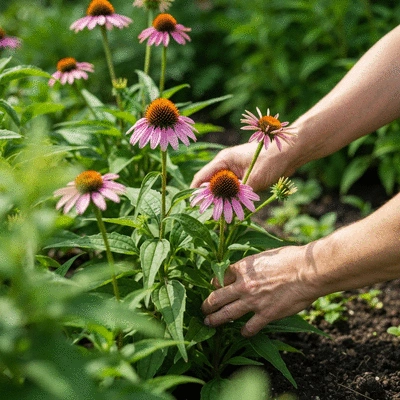
For the best results, plant Echinacea in the spring or fall. When planting, make sure to space them about 2 to 3 feet apart to allow for their natural spread. Additionally, dividing your Echinacea plants every 3-4 years can promote healthy growth. Here’s how to do it:
Regular division not only rejuvenates your Echinacea but also allows you to expand your garden’s beauty. Plus, sharing divisions with friends is a great way to foster community!
Echinacea purpurea is commonly known as the purple coneflower.
Echinacea thrives in USDA Zones 3-9, prefers full sun (at least 6 hours daily), and requires well-drained, loamy soil.
Yes, Echinacea is a favorite among pollinators like bees and butterflies, making it excellent for creating a lively garden.
Yes, Echinacea has been traditionally used for its medicinal properties, particularly for boosting the immune system.
Echinacea plants should be divided every 3-4 years to promote healthy growth and rejuvenate the plant.
Yes, once established, Echinacea plants are quite drought-tolerant and can handle dry spells well, requiring deep but infrequent watering.
Here is a quick recap of the important points discussed in the article: