Symptoms of Over-Fertilization
- ● Yellow leaves: Nutrient imbalance/stress.
- ● Stunted growth: Excess nutrients slowing development.
- ● Burnt leaf tips: Edges turn brown.
Join Clara M. Greene's community for expert tips and seasonal guides tailored for American gardeners.
Posted on: 2026-07-21
By: Clara M. Greene
Researching the ideal fertilizer for your rosemary can transform your gardening experience. With the right nutrients, you can enhance the health and flavor of your plants in ways you may have never thought possible!
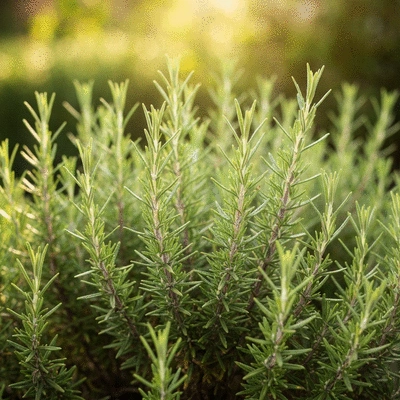
Ensuring your rosemary thrives involves understanding its unique nutrient requirements and recognizing signs of over or under-fertilization. The visual below highlights essential nutrients and common plant health symptoms. If you're looking for more comprehensive advice on general plant care, be sure to check out our plant care tips for home gardeners.
When it comes to growing rosemary, understanding the right fertilizer is crucial for achieving lush, aromatic plants. Rosemary thrives in well-draining soil with minimal excess moisture, and choosing the appropriate fertilizer can significantly impact your plant's overall health and flavor. As a passionate gardener, I can tell you that taking the time to select the best fertilizer can make all the difference in your home garden!
Utilizing the right nutrients ensures your rosemary plants have everything they need to flourish, especially since they have specific requirements compared to other herbs. In this section, we'll explore why selecting the right fertilizer matters, the unique nutritional needs of rosemary, and the essential nutrients that contribute to its growth.
Did you know that rosemary is a Mediterranean herb? This means it naturally thrives in nutrient-poor soil. Therefore, over-fertilization can lead to weak growth and reduced flavor profiles. Opting for a well-balanced fertilizer tailored to rosemary can enhance your plants' resilience and taste. For those interested in growing their own herbs, our guide to growing your own herb garden offers valuable insights.
By prioritizing the right fertilizer, you ensure your rosemary not only survives but also thrives, adding a delightful touch to your culinary adventures!
Rosemary's nutritional needs set it apart from other herbs. To support its growth effectively, it’s essential to focus on its specific requirements. Rosemary benefits from a light touch when it comes to fertilization, often requiring less than you might think. Here are some key elements to keep in mind:
By keeping these requirements in mind, you can tailor your fertilization approach to ensure your rosemary remains healthy and flavorful!
Getting to know the essential nutrients for rosemary is fundamental in fostering a thriving garden. Each nutrient plays a unique role in the plant's growth:
Understanding these nutrients helps you make informed choices when selecting fertilizers. At All American Gardeners, we believe that nurturing your rosemary with the right balance of these nutrients will lead to a bountiful and fragrant harvest!
Did you know? Rosemary benefits from a light touch when it comes to fertilization. Over-fertilizing can lead to weak growth and a decline in flavor. To avoid this, consider using a slow-release organic fertilizer that can provide the essential nutrients without overwhelming your plants. This approach ensures your rosemary remains robust and flavorful!
When it comes to growing rosemary, understanding how fertilization impacts plant health is crucial. Over-fertilization can lead to several issues that may hinder your rosemary’s growth and overall vigor. As I’ve seen in my own garden, knowing the signs of trouble can help you act quickly and keep your plants thriving!
Let’s explore some common symptoms of fertilization problems and how to address them to maintain the beauty and health of your rosemary plants.
One of the first signs that your rosemary might be getting too much fertilizer is yellowing leaves. If your rosemary’s leaves are turning yellow and dropping off, this could signal that the plant is stressed from excessive nutrients. Another symptom to watch for is stunted growth, where your rosemary seems to be growing more slowly than expected.
Pay attention to these signs, as they can help you make necessary adjustments to your fertilization routine. Remember, it's better to err on the side of caution when it comes to feeding your rosemary!
If you notice the symptoms mentioned above, it might be time to reconsider your fertilization approach. Reassessing your strategy can help you tailor your feeding schedule and improve the health of your rosemary. I recommend checking your soil's nutrient levels and adjusting the frequency or type of fertilizer you use. For more insights on soil health, consider reading our article on soil testing for healthier plants.
By taking these steps, you can ensure your rosemary receives just the right amount of nutrients it needs to flourish.
On the flip side, nutrient deficiencies can also affect your rosemary’s health. Common symptoms of nutrient deficiency include pale leaves, poor growth, and even leaf drop. For instance, if your rosemary isn't getting enough nitrogen, the leaves might show a lighter color, making them appear washed out.
To tackle these deficiencies, consider using a balanced organic fertilizer that can provide the necessary nutrients your rosemary needs. As I’ve learned through my gardening journey, addressing these issues promptly is key to keeping your plants healthy and productive!
Rosemary thrives best with a well-balanced fertilizer that has low nitrogen, high phosphorus, and balanced potassium levels. Slow-release organic fertilizers are often recommended to prevent over-fertilization.
Rosemary is a Mediterranean herb and prefers nutrient-poor soil, so it generally requires minimal fertilization. Over-fertilization can be detrimental. A light application once or twice during its active growing season (spring and early summer) is usually sufficient, or even less if planted in fertile soil.
Common signs of over-fertilization include yellow leaves, stunted growth, burnt leaf tips (edges turning brown), and visible salt buildup on the soil surface.
Signs of nutrient deficiency vary by nutrient. Nitrogen deficiency can cause pale leaves and poor overall growth. Phosphorus deficiency might lead to dark green leaves with a purplish hue, while potassium deficiency can result in brown and crispy leaf edges.
While a general-purpose fertilizer can be used, it's crucial to choose one with a lower nitrogen content to avoid excessive leaf growth at the expense of flavor and plant resilience. Always check the NPK ratio and consider the specific needs of rosemary.
Here is a quick recap of the important points discussed in the article:
Final content section.