Growing Herbs in Winter Gardens
Posted on: 2026-07-24
By: Clara M. Greene
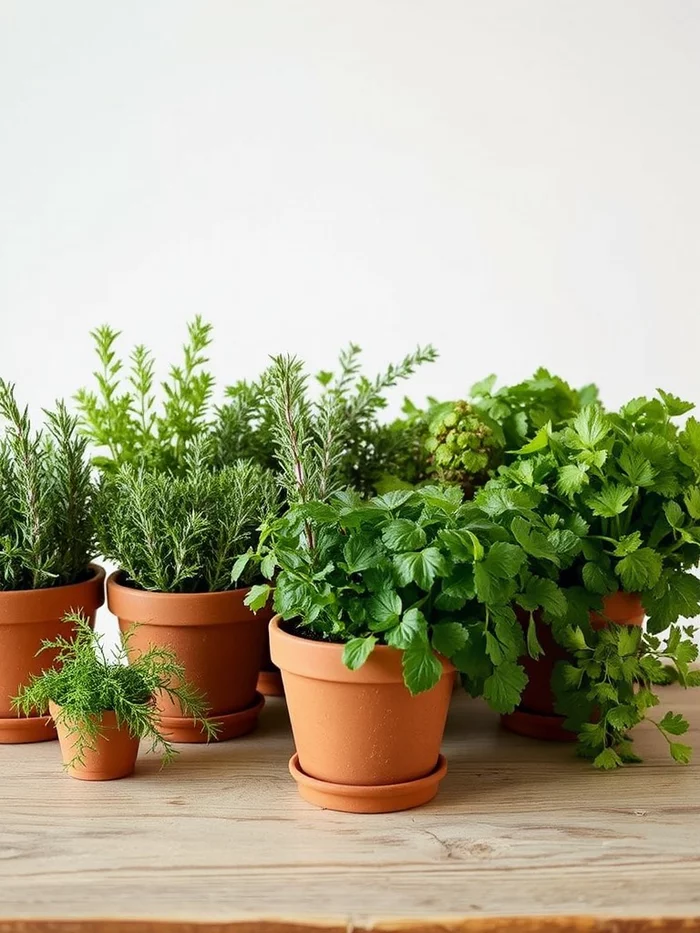
Winter doesn't have to mean saying goodbye to fresh herbs. Instead, it can be a season of vibrant growth and flavorful dishes! Discover how nurturing your herb garden during the colder months can not only enhance your culinary experiences but also boost your overall well-being.
What You Will Learn
- The importance of winter herb care for preserving perennial herbs and ensuring they thrive year after year.
- How fresh herbs can enhance the flavor of winter dishes, making meals more enjoyable during the colder months.
- Steps to create a sustainable garden by reducing trips to the grocery store and lowering your carbon footprint.
- Essential techniques for maintaining cold-hardy herbs, including the use of mulch and monitoring for stress or disease.
Essential Winter Herb Care Insights
Delve into the critical aspects of maintaining your herb garden during colder months with key benefits and cultivation tips. For those new to gardening, understanding organic gardening tips for beginners can lay a strong foundation for year-round success.
Understanding the Importance of a Winter Herb Garden
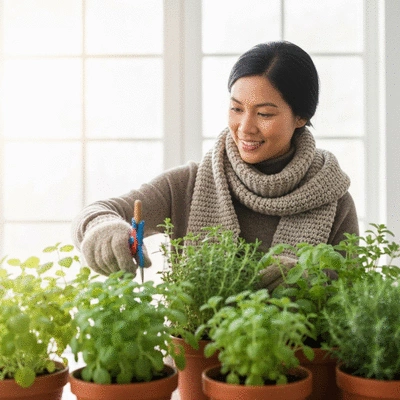
As the chill of winter settles in, many gardeners might think their herb gardens are a lost cause. But wait! Winter herb care is not just necessary; it’s an essential part of maintaining a thriving garden year-round. Herbs can continue to provide flavor, fragrance, and even health benefits during the colder months. Understanding why it's important to nurture your winter herbs can set the stage for a flourishing garden come spring!
Maintaining a winter herb garden allows you to enjoy the benefits of fresh herbs for cooking, teas, and even home remedies throughout the winter. It also keeps the growing cycle of your garden uninterrupted, providing a continuous connection to nature during the cold months. This not only enriches your culinary experiences but also supports your mental well-being, especially when you can step outside to check on your green friends!
Why Winter Herb Care Is Essential for Your Garden
Winter can be a harsh time for plants, and herbs are no exception. However, with the right care, you can ensure your herbs survive and thrive until the warmer days return. Here are some reasons why winter herb care is vital:
- Preservation of Perennial Herbs: Many herbs are perennials, meaning they can grow back year after year if properly cared for in the winter.
- Flavorful Ingredients: Fresh herbs add a touch of brightness to winter dishes, enhancing flavors during a time when fresh produce can be limited.
- Attracting Pollinators: Even in winter, some herbs can provide shelter and food for beneficial insects, promoting biodiversity in your garden.
Taking proactive steps in winter herb care also prepares you for the upcoming seasons. If you can keep your herbs healthy during the winter, you'll set yourself up for a bountiful spring harvest! For more guidance on general plant health, explore our plant care tips for home gardeners.
Benefits of Growing Herbs During Winter
Growing herbs in winter may seem daunting, but the advantages far outweigh the challenges. Here’s why you should consider cultivating a winter herb garden:
- Enhanced Flavor: Herbs grown in cooler temperatures often develop a more robust flavor profile, providing a unique taste experience.
- Cost-Effective: Having your herbs at home means less frequent trips to the grocery store, saving you money and time.
- Sustainable Gardening: By growing herbs in winter, you're practicing sustainable gardening and reducing your carbon footprint.
Every time you step into your winter herb garden, you’ll be reminded of the beauty of nature, even in the cold months. And I guarantee, having fresh herbs at your fingertips can turn a simple meal into something truly special!
Poll: Your Winter Gardening Experience
As you embark on your winter herb gardening journey, we want to hear from you! What aspect of winter herb care do you find most challenging or rewarding? Share your thoughts below:
Summarizing Your Winter Herb Garden Approach
As we wrap up our discussion on cultivating a winter herb garden, I’d like to highlight some key takeaways that can help you succeed during the colder months. By understanding which herbs are resilient and learning how to care for them properly, you can enjoy fresh flavors even when the ground is covered in frost!
Remember, winter gardening is not just about survival; it’s about flourishing. Engage with your herbs through regular care, and they will reward you with vibrant growth and tasty additions to your meals. Here are some essential points to keep in mind:
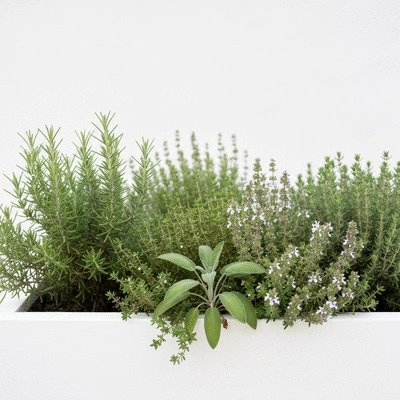
- Choose cold-hardy herbs that can withstand lower temperatures, such as thyme, rosemary, and sage.
- Implement protective methods like mulch and cold frames to enhance your garden’s resilience against frost.
- Regularly monitor your herbs for signs of stress or disease, addressing issues promptly to keep them healthy.
- Maintain a consistent watering routine to prevent root rot and ensure optimal soil moisture.
Key Takeaways for Successful Winter Herb Cultivation
With these techniques in mind, you’re well on your way to a thriving winter herb garden! The enjoyment of harvesting fresh herbs during the colder months adds a special touch to your culinary experiences. As a passionate gardener, I can attest to the satisfaction of stepping into my garden, even in winter, and finding those delightful green herbs waiting to be used in my favorite dishes.
So, stay connected with your plants, learn from your experiences, and take joy in the journey of winter gardening. Each season presents new challenges, and overcoming them can only make you a better gardener! To further your knowledge, consider learning about starting your year-round herb garden for continuous fresh flavors.
Next Steps: Engage with Your Winter Herb Garden
Now that you’ve got a solid foundation for your winter herb garden, it’s time to take the next steps! Engaging with your garden community can provide invaluable insights and camaraderie as you all share the joys and challenges of winter gardening.
Consider joining local gardening groups or online forums dedicated to herb cultivation. Connecting with others gives you access to a wealth of shared tips and experiences that can help enhance your gardening skills and keep your motivation high!
Join Gardening Communities for Shared Tips and Experiences
- Find local gardening clubs that meet regularly to exchange knowledge.
- Join social media groups focused on herb gardening for daily inspiration.
- Participate in workshops to learn from experts and fellow gardeners.
These connections can help you stay informed about new techniques, local challenges, and seasonal changes that may affect your herb garden.
Resources for Further Learning: Books, Websites, and Workshops
As you delve deeper into the world of winter herbs, you'll find that there are plenty of resources to guide you along the way. Whether you prefer books, websites, or hands-on workshops, there’s no shortage of information out there!
Recommended Books on Winter Herbs: Essential Reads for Enthusiasts
- The Winter Herb Garden by Judith D. Hill – A wonderful resource focusing on seasonal herb gardening.
- Herbs for the Winter Kitchen by Marie Iannotti – Great recipes and tips on using winter herbs in your cooking!
- The Essential Guide to Herbs by Tom K. Smith – Comprehensive coverage of various herbs, including care and uses.
These books will not only enrich your knowledge but also inspire you to experiment with different herbs and cooking techniques. The more you learn, the more you’ll enjoy the fruits of your labor!
Frequently Asked Questions About Winter Herb Care
Q: Why is winter herb care important?
A: Winter herb care is crucial for preserving perennial herbs, ensuring flavorful ingredients for winter dishes, and promoting garden biodiversity even in colder months. It helps your herbs survive and thrive year after year.
Q: What are the benefits of growing herbs during winter?
A: Benefits include enhanced flavor due to cooler growing temperatures, cost savings from fewer grocery store trips, and practicing sustainable gardening by reducing your carbon footprint.
Q: Which herbs are best for cold weather?
A: Cold-hardy herbs such as thyme, rosemary, and sage are excellent choices for winter cultivation as they can withstand lower temperatures.
Q: How can I protect my herbs from frost?
A: Implement protective methods like applying mulch around the base of plants and using cold frames to shield your herbs from frost and harsh winter conditions.
Q: How often should I water my winter herbs?
A: Maintain a consistent watering routine to ensure optimal soil moisture and prevent root rot. Adjust frequency based on your specific climate and herb needs, but avoid overwatering.
Recap of Key Points
Here is a quick recap of the important points discussed in the article:
- Engage in winter herb care to maintain a thriving garden year-round.
- Choose cold-hardy herbs like thyme, rosemary, and sage for winter cultivation.
- Implement protective methods such as mulch and cold frames to shield herbs from frost.
- Regularly monitor herbs for stress or disease to ensure their health and vitality.
- Maintain consistent watering to prevent root rot and keep soil moisture optimal.
- Engage with gardening communities for shared tips and experiences to enhance your skills.
- Utilize resources like books and workshops for further learning and inspiration in herb gardening.
 Why settle for store-bought herbs when you can grow your own at home, in any space? Hydroponic garde
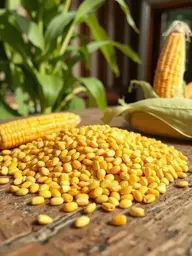 Ready to transform your gardening experience? Selecting the right sweet corn seeds can make all the
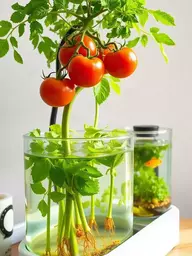 Imagine harvesting juicy, flavorful tomatoes while actively contributing to sustainable agriculture.
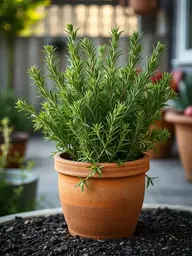 What if I told you that the secret to growing robust rosemary lies in the soil beneath your feet? Un
 Have you ever wondered how innovative techniques in gardening can reshape our food production? Hydro
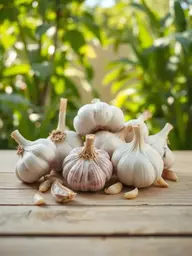 As you prepare to embark on your journey of growing garlic, consider this: garlic cultivation isn't