Here's a surprising fact: growing your own herbs can actually save you money while enhancing the flavor of your meals! With just a few simple steps, you can start your own organic herb garden and enjoy the benefits of fresh, homegrown ingredients.
What You Will Learn
Homegrown organic herbs are free from harmful pesticides, promoting a healthier choice for your family.
Freshly harvested herbs provide a flavor explosion that surpasses dried alternatives, enriching your culinary creations.
Growing herbs at home can lead to significant cost savings, especially on frequently used ingredients.
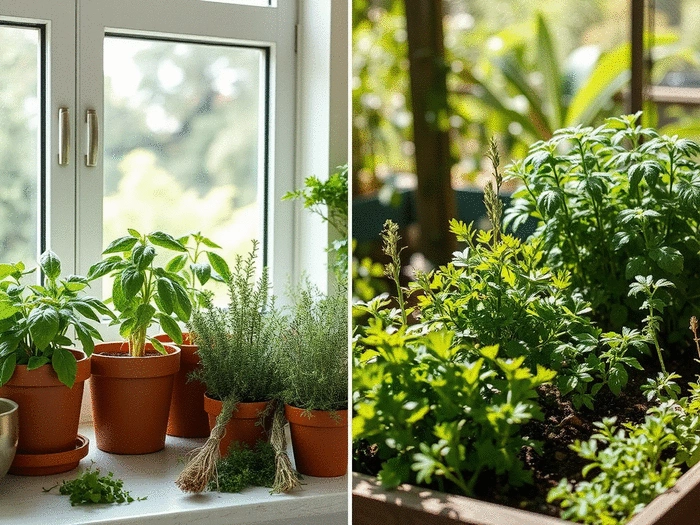
You can choose between indoor and outdoor gardening based on your space, conditions, and personal preferences.
Selecting the right herbs for indoor gardening can enhance your kitchen experience; consider easy-to-grow options like basil and mint.
Proper watering techniques and organic fertilizing are crucial for maintaining the health and vitality of your herbs.
Benefits and Steps for Your Organic Herb Garden
Discover the advantages of growing your own herbs and the essential steps to get started, whether indoors or outdoors. For those new to gardening, checking out organic gardening tips for beginners can provide a solid foundation.
Key Advantages Benefits of Organic Herb Gardening
✓Healthier Choice: Free from harmful pesticides.
✓Flavor Explosion: More flavorful than dried.
✓Cost Savings: Reduces grocery bills.
✓Environmental Impact: Sustainable ecosystem.
First Steps Starting Your Indoor Herb Garden
Choose Location: 6-8 hours sunlight or grow lights.
Setup: Pots with drainage, quality organic soil mix.
Watering: Water when top inch of soil is dry.
Fertilizing: Use organic options like compost tea.
Environment Choices Indoor vs. Outdoor Gardening
Indoor Gardening
Limited space/harsh weather.
Controlled environment.
Easier optimal growth.
Outdoor Gardening
Wider herb range.
Better sunlight exposure.
Natural pollination/larger plants.
Ongoing Support Resources for Aspiring Gardeners
★Gardening Kits: Beginner-friendly options.
★Online Courses: Deep dive into organic techniques.
★Local Communities: Share experiences and advice.
★Gardening Apps/Blogs: Track and learn (e.g., Gardenize).
Setting the Stage for Your Organic Herb Garden
Welcome to the wonderful world of organic herb gardening! There are so many reasons why growing your own herbs can enhance your culinary experiences and overall well-being. Let’s dive into the benefits of growing organic herbs, which include freshness, flavor, and cost savings.
First off, when you grow your own herbs, you can't beat the freshness factor. There’s nothing quite like picking a sprig of basil or a handful of parsley right before adding it to your dish. It's truly a game changer! In addition to freshness, homegrown herbs pack a punch of flavor that you just can't find in store-bought varieties. And let's not forget about the savings—growing your herbs means you can reduce grocery bills while enjoying high-quality ingredients.
Understanding the Benefits of Growing Organic Herbs
Now, let's explore some of the key advantages of cultivating organic herbs:
Healthier Choice: Organic herbs are free from harmful pesticides and chemicals, making them a safer option for your family.
Flavor Explosion: Freshly harvested herbs are far more flavorful than their dried counterparts.
Cost Savings: Growing herbs at home reduces the need for pricey store-bought options, especially for those regularly used in cooking.
Environmental Impact: By growing your own herbs, you contribute to a more sustainable gardening ecosystem.
As you can see, the benefits of growing organic herbs are abundant, offering a satisfying way to enhance your meals and support your health.
Choosing Between Indoor and Outdoor Herb Gardening
When starting your herb garden, you might wonder whether to begin indoors or outdoors. Each option has its own set of pros and cons. Let's break them down:
Indoor Gardening: Perfect for those with limited space or harsh weather conditions. You can control the environment, making it easier to maintain optimal growth conditions.
Outdoor Gardening: Generally offers a wider range of herbs and better sunlight exposure. It allows for natural pollination and can result in larger plants.
Ultimately, the choice between indoor and outdoor gardening depends on your personal preferences and circumstances. Both methods can be equally rewarding, so pick what aligns best with your gardening goals!
Essential Steps for Starting Your Indoor Herb Garden
Selecting the Right Location for Optimal Growth
To kickstart your indoor herb gardening adventure, selecting the right location is crucial. Ideally, your herbs need 6-8 hours of sunlight daily. If natural light is limited in your home, don't worry! Grow lights are a fantastic alternative that provides the necessary light spectrum for healthy growth.
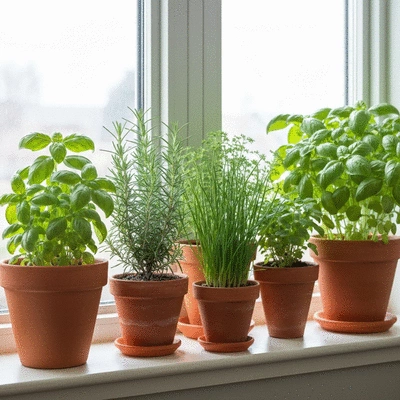
Consider areas in your home such as windowsills or countertops that receive plenty of bright light. Observe how sunlight moves throughout your space to choose the best spot for your indoor garden.
Choosing the Best Herbs for Indoor Gardening
Not all herbs thrive equally indoors, so it’s essential to choose the right ones. Here are a few easy-to-grow herbs that bring flavor to your kitchen:
Basil
Oregano
Thyme
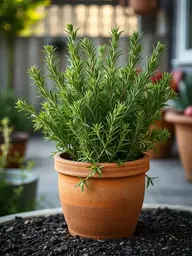
Rosemary
Mint
Parsley
Chives
These herbs not only thrive indoors but also require minimal care, making them perfect for beginners. Plus, you'll be amazed at how they elevate your dishes!
Preparing Your Indoor Garden Setup with Containers and Soil Quality
Setting up your indoor herb garden involves choosing suitable containers and quality soil. Look for pots that have drainage holes to prevent waterlogging. Quality soil is essential for healthy plants, so consider using a well-draining organic soil mix.
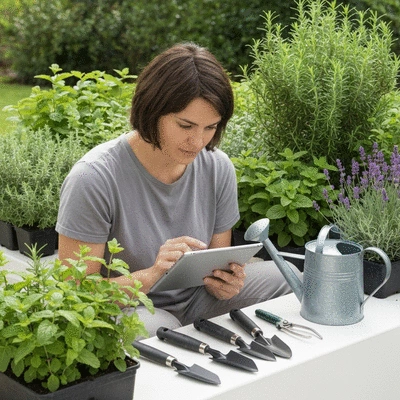
Don't forget the necessary tools like watering cans, small trowels, and plant labels. These will help you maintain and organize your indoor garden effectively, ensuring that every herb has the best chance to flourish. For a comprehensive guide on what tools you might need, explore our article on essential garden hand tools.
Watering Techniques and Fertilizing Your Indoor Herbs Effectively
Watering your herbs correctly is vital for their growth and health. A good rule of thumb is to check the top inch of soil; if it feels dry, it’s time to water! Overwatering can be just as harmful as underwatering, so maintain a balanced approach.
When it comes to fertilizing, opt for organic options like compost tea or worm castings. These natural fertilizers provide essential nutrients without harming your plants or the environment.
Pro Tip
To maximize the flavor of your homegrown herbs, consider harvesting them in the morning after the dew has dried. This is when their essential oils are at their peak, ensuring you get the most aromatic and flavorful herbs possible for your culinary creations!
Frequently Asked Questions About Organic Herb Gardening
What are the main benefits of growing organic herbs?
Growing organic herbs offers several benefits, including being free from harmful pesticides, providing a more intense and fresh flavor compared to dried herbs, leading to cost savings on groceries, and contributing to a sustainable gardening ecosystem.
Should I grow my herbs indoors or outdoors?
The choice between indoor and outdoor gardening depends on your space and climate. Indoor gardening is ideal for limited space or harsh weather, offering a controlled environment. Outdoor gardening allows for a wider range of herbs, better sunlight, and natural pollination. Both methods can be rewarding.
What are some easy-to-grow herbs for beginners?
For beginners, easy-to-grow herbs include basil, oregano, thyme, rosemary, mint, parsley, and chives. These herbs typically thrive indoors with minimal care and provide excellent flavor for your dishes.
How much sunlight do indoor herbs need?
Indoor herbs generally require 6-8 hours of sunlight daily. If natural light is insufficient, grow lights can be used as an effective alternative to provide the necessary light spectrum for healthy growth.
What are the best watering practices for herbs?
A good rule of thumb for watering herbs is to check the top inch of soil; if it feels dry, it's time to water. Avoid overwatering, as this can be detrimental to the plant's health. Consistent, balanced watering is key.
Summarizing the Journey to Your Organic Herb Garden
As we wrap up our exploration of creating your organic herb garden, it's clear that success lies in a few key steps! Whether you choose to cultivate your herbs indoors or outdoors, you can enjoy the freshness and flavor of homegrown herbs year-round. Here’s a quick recap of the main steps we've covered:
Understand the benefits of organic herbs, including cost savings and enhanced taste.
Choose the right environment for your herbs—indoors for convenience or outdoors for space.
Pick herbs that are easy to grow, like basil and mint, to kickstart your gardening journey.
Ensure your pots and soil are of high quality to support healthy growth.
Water your herbs correctly and consider organic fertilizers to promote vitality.
Adapt your gardening techniques based on seasonal changes for outdoor herbs.
By following these steps, you'll be well on your way to nurturing a thriving herb garden that can enhance your cooking and bring joy to your gardening routine!
Taking Action: Resources and Next Steps for Aspiring Gardeners
Now that you're equipped with the knowledge to start your organic herb garden, it’s time to take action! I encourage you to delve deeper into the world of organic gardening by exploring some fantastic resources:
Gardening Kits: Consider trying organic gardening kits specifically designed for beginners.
Online Courses: Look for online courses that focus on organic gardening techniques.
Local Gardening Communities: Engage with local groups to share experiences and advice.
Visual Aids and Expert Insights on Indoor and Outdoor Gardening
To make your learning experience even more enjoyable, utilize visual aids! Infographics on light and watering schedules can be incredibly helpful. Plus, consider incorporating expert quotes or user testimonials into your gardening journey. Hearing from others who’ve successfully grown their own herbs can be both inspiring and informative! For those interested in improving soil health, learning about healthy soil for thriving gardens is another excellent next step.
Exploring Gardening Apps and Blogs for Ongoing Learning
Don’t stop here! There are numerous gardening apps and blogs that can provide ongoing tips and insights into indoor and outdoor gardening practices. Some recommendations include:
Gardenize: An app that helps track your gardening activities and plant care.
My Garden: A blog with tips tailored for organic gardening enthusiasts.
All American Gardeners: Of course, our very own platform offers a wealth of information to support your gardening journey!
These resources will keep you informed and motivated as you continue to grow your organic herb garden, and remember, I’m here to support every step of your gardening adventure! You might also find our guide on plant care tips for home gardeners particularly useful.
Recap of Key Points
Here is a quick recap of the important points discussed in the article:
Understand the benefits of growing organic herbs, including freshness, enhanced flavor, and cost savings.
Choose the right environment for your herbs—indoor gardening for convenience or outdoor gardening for more space.
Select easy-to-grow herbs like basil, mint, and parsley to start your gardening journey.
Ensure your pots have drainage and use a quality organic soil mix for optimal growth.
Water your herbs carefully and use organic fertilizers to maintain plant health.
Adapt your gardening techniques according to the seasons to maximize outdoor herb growth.
Subscribe & Share
2026-08-28
Growing Herbs with Hydroponics
Why settle for store-bought herbs when you can grow your own at home, in any space? Hydroponic garde
2026-08-27
Growing Sweet Corn from Seeds
Ready to transform your gardening experience? Selecting the right sweet corn seeds can make all the
Growing Your Own Garlic Bulbs
As you prepare to embark on your journey of growing garlic, consider this: garlic cultivation isn't
All American Gardeners
Your premier online resource for mastering home gardening across the U.S. We empower American home gardeners with expert tips, step-by-step guides, and sustainable practices for thriving outdoor spaces.
Trusted by gardeners nationwide, our mission is to provide reliable, easy-to-follow insights backed by Clara M. Greene's extensive horticulture experience and practical advice.