Soil & Sun Requirements
- Well-draining, fertile soil.
- Optimal pH: 6.0 to 6.8.
- Full sun (at least 6 hours/day).
FOUNDATION
Join Clara M. Greene's community for expert tips and seasonal guides tailored for American gardeners.
Posted on: 2026-09-07
By: Clara M. Greene
Did you know that cultivating your own herbs can not only enhance your cooking but also improve your gardening skills? As we delve into the world of lemongrass, you'll discover how this vibrant herb can transform your garden and your meals!
This visual outlines essential steps and benefits for cultivating lemongrass, covering optimal conditions, sustainable practices, and culinary uses.
Growing lemongrass can be a rewarding experience for any home gardener! But what exactly is lemongrass? This aromatic herb, known scientifically as Cymbopogon citratus, is widely used in various cuisines for its citrusy flavor and fragrance. Not only does it enhance the taste of many dishes, but it also thrives beautifully in home gardens. If you’re looking to add a touch of tropical zest to your culinary adventures, lemongrass is the perfect addition! You can find more tips for growing your own herb garden on our blog.

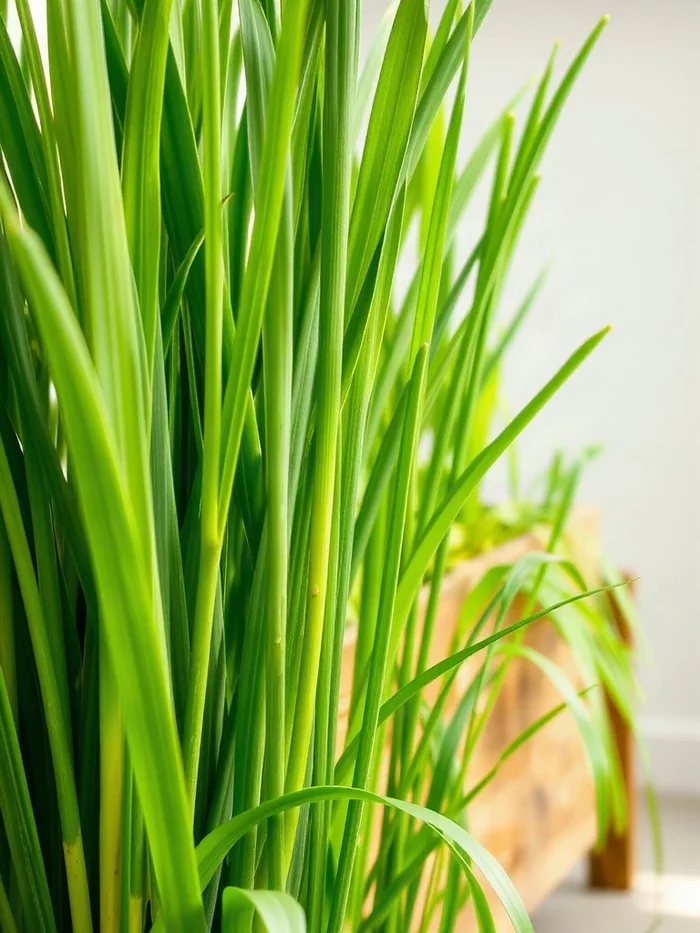
Lemongrass is a perennial grass that is not only easy to grow but also offers numerous uses in the kitchen. It’s often used in soups, teas, and marinades, making it a versatile herb for any gardener. Plus, lemongrass can add a lovely visual appeal to your garden with its tall, lush green stalks. As a passionate gardener, I can tell you that growing your own herbs like lemongrass can elevate your dishes while providing a sense of accomplishment!
Whether you’re a novice or a seasoned gardener, cultivating lemongrass can be a fulfilling journey. Plus, it’s a fantastic way to experiment with fresh flavors in your kitchen!
Aside from its culinary uses, lemongrass also comes with a variety of benefits. For starters, it’s packed with essential vitamins and minerals. Growing your own lemongrass means you’ll have fresh access to this herb that can boost your health! It’s known for its antimicrobial properties and can aid in digestion as well. For more insights into natural pest control in your garden, check out our guide on natural pest control for gardens.
The benefits are clear! By cultivating lemongrass at home, you’re not just growing an herb; you’re embracing a healthier lifestyle.
Lemongrass plays a pivotal role in Southeast Asian cuisine, particularly in Thai, Vietnamese, and Indonesian dishes. It adds a unique citrus flavor that brightens up soups, curries, and stir-fries. But you don't have to be a master chef to enjoy its benefits—just a sprinkle of fresh lemongrass can transform a simple dish into something extraordinary!
By growing lemongrass in your garden, you'll not only enhance your meals but also explore a world of flavors right from your kitchen!
To maximize the flavor and aroma of your lemongrass, consider harvesting the stalks in the morning when their essential oils are at their peak. Simply cut the stalks at the base, leaving a few inches above the soil for regrowth. This will ensure you enjoy the freshest and most vibrant flavor in your culinary creations!
As we wrap up our journey into the world of lemongrass gardening, it’s important to remember the essential tips and techniques that will help you cultivate a thriving lemongrass garden. From understanding the right soil conditions to mastering the watering and fertilization schedule, these insights are key to ensuring your lemongrass flourishes!
By following these guidelines, you’ll not only set your garden up for success but also enjoy the process of nurturing your plants! Remember, gardening is all about experimenting and adapting to what works best for your unique space.
Now that you’re armed with valuable knowledge about growing lemongrass, it’s time to dive deeper into your gardening adventure! I often receive questions about the best practices for growing lemongrass, and I’m here to help you navigate through those common queries.
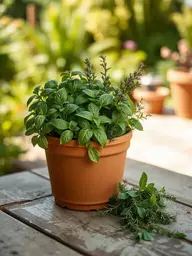
Absolutely! Lemongrass thrives in pots, making it a perfect choice for container gardening. Just make sure to use a pot that is at least 12 inches deep and wide. This allows the roots to grow and provides sufficient drainage. Additionally, choose a quality potting mix to keep your lemongrass healthy!
If you live in an area with harsh winters, consider bringing your lemongrass indoors or providing it with ample protection. One effective way is to move the pots into a sunny location indoors or cover them with mulch if they are planted in the ground. This will help prevent frost damage and keep your plants cozy!
Practicing sustainability is crucial for any gardener! Here are some tips for growing lemongrass sustainably:
By following these sustainable practices, you’ll contribute to a healthier garden and environment, which is something I deeply value as a fellow gardener!
No, lemongrass is generally easy to grow and is quite adaptable, making it suitable for gardeners of all experience levels. It’s a low-maintenance herb that can thrive with basic care.
Lemongrass is incredibly versatile in the kitchen. It’s widely used in Southeast Asian cuisines for soups (like Tom Yum), curries, teas, and marinades. Its citrusy flavor adds a unique brightness to many dishes.
Yes, lemongrass is known for several health benefits. It can aid digestion, help reduce anxiety, and acts as a natural diuretic. It also possesses antimicrobial properties.
For a thriving lemongrass garden, ensure it has well-draining, fertile soil with a pH between 6.0 and 6.8. It requires full sun for at least six hours a day and regular watering, but avoid over-watering.
Absolutely! Lemongrass acts as a natural pest repellent. Its strong scent can help deter various garden pests, making it a beneficial companion plant for your other crops.
I encourage you to become part of the vibrant gardening community! Sharing your tips, challenges, and success stories can inspire fellow gardeners and help us all grow. Feel free to reach out through our website, All American Gardeners, and let’s celebrate the joys of gardening together! To get started with sustainable practices, consider reading our simple tips for sustainable farming.
Have you grown lemongrass before? What unique experiences have you had? I can’t wait to hear your stories and learn from your gardening adventures!
Here is a quick recap of the important points discussed in the article: