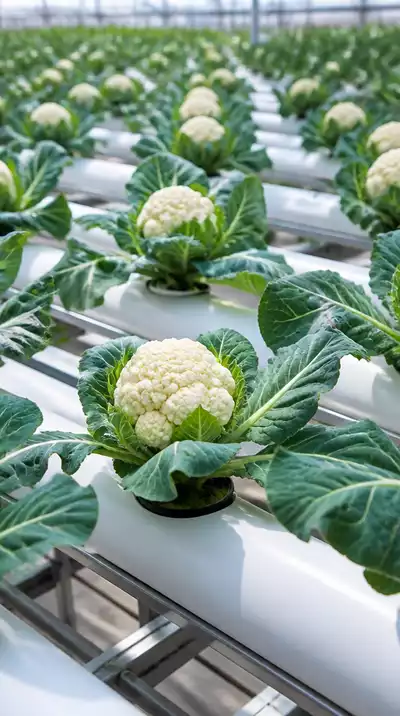
Hydroponic Advantages
- ✓Faster Growth & Maturity
- ✓Less Space (Vertical Farming)
- ✓~90% Less Water Usage
- ✓Reduced Pest Issues
- ✓Year-Round Cultivation
- ✓Precise Nutrient & pH Control
Join Clara M. Greene's community for expert tips and seasonal guides tailored for American gardeners.
Posted on: 2026-09-17
By: Clara M. Greene
Are you ready to elevate your gardening game? Discover how hydroponics, particularly for cauliflower, can transform your approach to growing vegetables. With the right techniques, you can achieve impressive results while conserving resources and enhancing sustainability.
A comparative look at key benefits and considerations when cultivating cauliflower using hydroponic and traditional soil-based methods.
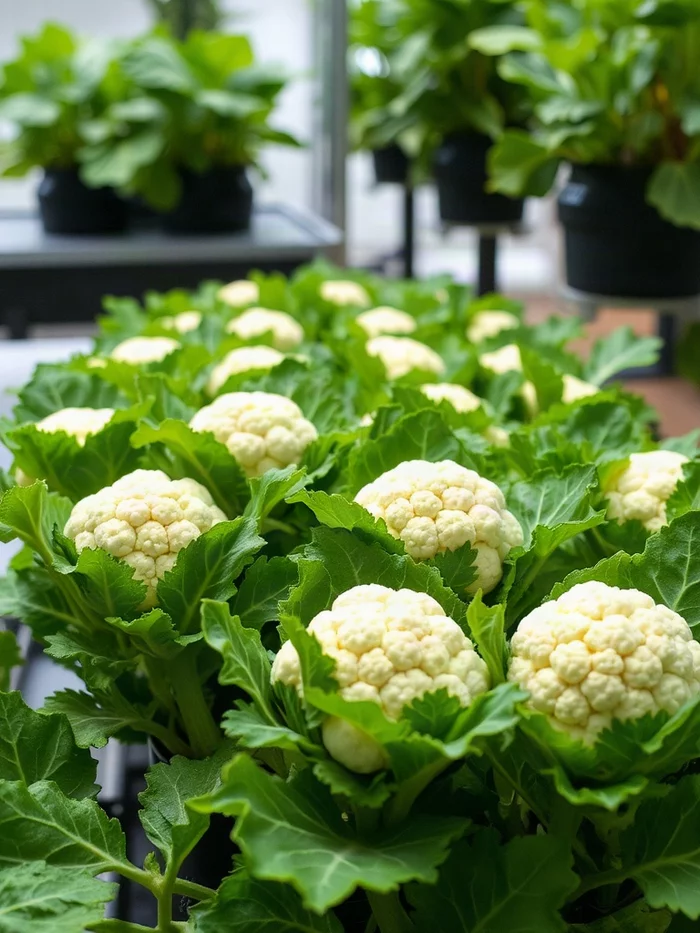
Welcome to the world of cauliflower hydroponics! This innovative method of gardening allows us to grow delicious, nutritious cauliflower without soil. Instead, we use nutrient-rich water solutions, making it a fascinating way to cultivate your favorite veggies, especially in regions where traditional gardening might be challenging. Whether you're a novice or a seasoned gardener, diving into hydroponics can open up a whole new realm of possibilities!
Hydroponics is not only about growing plants; it's about maximizing efficiency and sustainability. Think about it: with hydroponics, you can grow your crops faster and often with less water compared to traditional soil gardening. Plus, it minimizes the risk of pests and diseases that can plague soil-grown plants. Sounds appealing, right? To get started with your own system, check out our guide on starting hydroponics: a beginner's guide.
Before we get too deep, let’s clarify what we mean by hydroponics. Essentially, it’s a method of growing plants in a water-based, nutrient-rich solution. When it comes to cauliflower, this technique allows for controlled growth conditions, which can lead to better yields and healthier plants. Here’s why I believe hydroponics is a game changer:
With these advantages, it’s no wonder that many gardeners are turning to hydroponics for their cauliflower crops. Now, let’s explore how feasible it really is to grow cauliflower this way.
Hydroponics isn’t just a trendy gardening fad; it’s a proven method that supports healthy and robust plant growth. By providing the essential nutrients directly to the roots without the interference of soil, plants can absorb what they need more efficiently. This is particularly beneficial for cauliflower, which requires specific nutrients to develop properly.
Moreover, this method allows us to tailor the growing conditions to suit the unique needs of cauliflower, making it an excellent choice for home gardeners looking to enhance their crops. Embracing hydroponics means we can push the boundaries of what’s possible in our gardening journey!
So, can you really grow cauliflower hydroponically? The answer is a resounding yes! Many successful hydroponic farms are producing high-quality cauliflower, and with the right setup, you can too. The key is understanding the specific requirements for cauliflower and how hydroponic systems can be tailored to meet those needs.
It's also essential to compare hydroponic methods with traditional growing techniques. While hydroponics can sometimes be more complex to set up initially, the return on investment in terms of time and resources can make it worthwhile. Let’s look at some of these differences:
As you can see, both methods have their merits, but hydroponics offers unique advantages that can lead to healthier and more plentiful harvests. To learn more about specific plant care, check out our plant care tips for home gardeners.
When considering the options, it’s crucial to weigh the pros and and cons. Traditional soil gardening has its charm, but hydroponics can help you overcome many challenges. Here are some additional factors to keep in mind:
These features make hydroponic cauliflower an exciting venture for any home gardener!
One of the most exciting aspects of hydroponics is the ability to implement organic practices. Organic hydroponics focuses on using natural fertilizers and sustainable growing methods, making it possible to cultivate cauliflower in an environmentally friendly way. I’m passionate about sustainable gardening, and this approach aligns perfectly with our mission at All American Gardeners.
By embracing organic hydroponics, we not only produce delicious food but also contribute to a healthier planet. Think about how rewarding it is to grow your food using practices that are kind to the Earth! This sustainable approach adds another layer of fulfillment to our gardening experience.
Have you tried growing cauliflower hydroponically? We'd love to hear about your experience! Please share your thoughts below:
Hydroponics offers faster growth, higher yields, significantly reduced water usage (up to 90% less), less space requirement (ideal for vertical farming), year-round cultivation, and minimized pest issues compared to traditional soil-based methods.
Yes, while there's an initial learning curve for setting up the system and understanding nutrient solutions, many resources and ready-made kits are available to help beginners succeed in growing cauliflower hydroponically.
Organic hydroponics uses natural fertilizers and sustainable growing methods, reducing reliance on synthetic chemicals and conserving resources like water, thus contributing to a healthier planet and environmentally friendly food production.
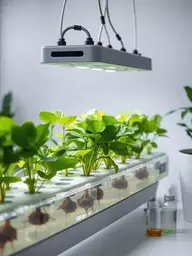
Key costs include initial setup (grow lights, hydroponic system, nutrients), ongoing maintenance and operational expenses (water, electricity, supplies), and potentially labor for larger or commercial setups. Calculating these helps determine your return on investment.
Varieties like 'Snow Crown', 'Cheddar', 'Snowball', 'Graffiti', and 'Baby Cauliflower' are often recommended for hydroponic systems due to their reliable yields, maturity rates, and desirable flavor and texture.
Diving into hydroponic cauliflower cultivation can be a rewarding adventure, but it's essential to understand the financial aspects involved. Calculating your costs and projecting your return on investment (ROI) will help you make informed decisions about your gardening journey. Let's explore how to approach this financially, whether you’re growing at home or considering a small commercial setup!
When evaluating your hydroponic venture, you'll want to consider a few key factors regarding costs. Some expenses you might encounter include:
Understanding these costs will help you establish a solid baseline for determining your ROI. For home gardeners, the investment can primarily center on setup, while small commercial growers will need to consider ongoing operational costs more extensively. For more detailed information, check out our guide on understanding hydroponic control systems.
Choosing the right cauliflower variety is crucial for success in your hydroponic garden. Some varieties are particularly suited for hydroponic systems due to their growth habits and maturity rates. Let’s look at a few factors to consider:
By evaluating these factors, you can select varieties that not only thrive in hydroponic conditions but also provide the best outcomes for your specific needs. For instance, varieties like 'Snow Crown' and 'Cheddar' tend to perform well in hydroponic setups!
When planning your hydroponic garden, consider how quickly you want to see results. Some varieties may take longer to mature but yield larger heads, while others can be ready to harvest in a shorter time frame but may produce smaller heads. Balancing your selection based on your goals—whether for personal enjoyment or commercial sale—is vital!
Here are some popular cauliflower varieties that work exceptionally well in hydroponic systems:
By selecting the right variety for your hydroponic system, you're setting yourself up for a fruitful and enjoyable gardening experience!
Here is a quick recap of the important points discussed in the article: