Faster Growth Rates
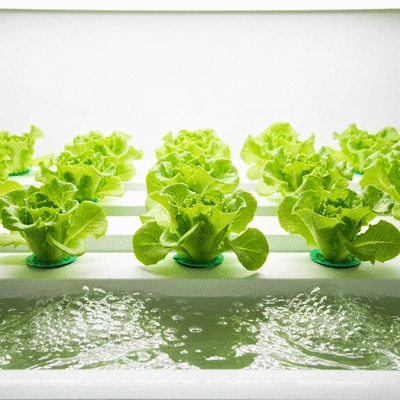
Lettuce matures more quickly in a hydroponic system, allowing for continuous harvests and a fresh supply year-round.
Quicker Yields
Join Clara M. Greene's community for expert tips and seasonal guides tailored for American gardeners.
Posted on: 2026-08-04
By: Clara M. Greene
Did you know that hydroponic gardening can lead to faster growth rates and higher yields compared to traditional soil gardening? If you’re curious about how to get started, understanding hydroponic lettuce seeds is the crucial first step! Here’s what you will learn about cultivating your own lettuce using this innovative method.
Hydroponics offers numerous advantages over traditional gardening. Here's a comparison of key benefits for growing lettuce, highlighting why this method is gaining popularity. For a broader understanding of soil-free cultivation, explore our guide on hydroponic gardening made simple.
Lettuce matures more quickly in a hydroponic system, allowing for continuous harvests and a fresh supply year-round.
Hydroponic systems recirculate water, using significantly less than traditional soil gardening, benefiting the environment.
Without soil, the risk of soil-borne diseases and pests is greatly diminished, leading to healthier plants.
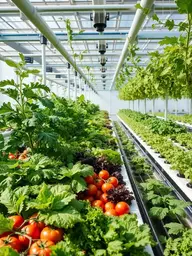
Ideal for urban settings, hydroponics allows for growing more in smaller spaces, including vertical setups.
Hydroponic gardening is an exciting and innovative method of growing plants without soil, and it's particularly popular for cultivating succulent lettuce. If you're curious about how to dive into this method, understanding hydroponic lettuce seeds is your first step towards a thriving garden. Let’s explore what makes these seeds unique and how they can lead to optimal growth!
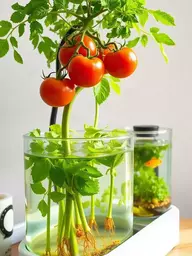
Hydroponics is a method of growing plants in nutrient-rich water rather than soil. This approach allows for greater control over growing conditions, leading to faster plant growth and higher yields. For lettuce, this means you can enjoy a fresher and more vibrant crop year-round, right in your own home!
Some benefits of hydroponic lettuce cultivation include:
By embracing hydroponics, you can also reduce your environmental impact and promote sustainability—values that are close to my heart here at All American Gardeners. Learn more about understanding hydroponic systems today for a deeper dive into the science and practice.
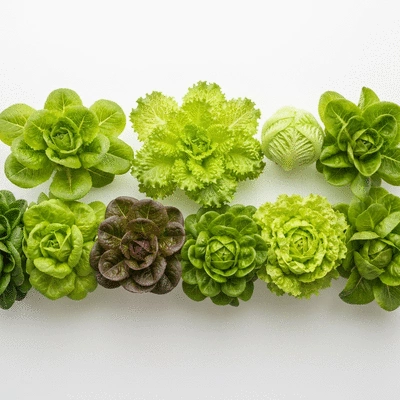
There are various types of hydroponic lettuce seeds, each offering unique flavors and textures. Common varieties include:
Choosing the right type of lettuce is essential for your hydroponic system's success. Each variety brings something special to your garden, and they can be grown independently or in combination for an exciting harvest!
When selecting seeds for a hydroponic system, it's important to consider which variety meets your gardening goals. For instance:
Each type has its unique growing requirements, so be sure to match your choice with your growing conditions.
Some critical factors to consider when selecting hydroponic lettuce seeds are bolting resistance and germination speed. Bolting occurs when plants flower prematurely, which can affect taste and texture. Look for seeds specifically bred for bolting resistance, especially if you live in warmer climates.
Similarly, germination speed is essential for quick yields. Seeds with faster germination rates can give you a continuous supply of fresh lettuce, meaning you can enjoy salads and wraps sooner!
When choosing seeds, consider looking for organic options from reputable hydroponic seed banks. Organic seeds are grown without synthetic pesticides and fertilizers, ensuring healthier plants and a more sustainable approach to gardening. Plus, many hydroponic seed banks offer resources and support to help you select the best seeds for your specific growing system.
At All American Gardeners, we believe in empowering you to make informed choices, so you can cultivate a flourishing garden that you can be proud of! Let’s get growing!
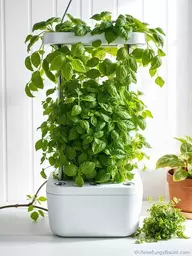
When selecting hydroponic lettuce seeds, consider integrating companion planting strategies. Certain plants, like basil or radishes, can enhance the growth and flavor of your lettuce while also helping to deter pests. This not only maximizes your space but also creates a more vibrant and productive hydroponic garden!
As we wrap up our journey into the world of hydroponic lettuce cultivation, it's clear that understanding the ins and outs of this method can lead to deliciously fresh results right at home. Growing hydroponic lettuce not only offers a sustainable approach to gardening, but it also allows you to enjoy homegrown produce free from pesticides and chemicals. By making informed choices about seed selection and setup, you're on the path to a thriving garden!
When it comes to hydroponic gardening, several key benefits stand out:
These benefits highlight why hydroponic lettuce is a fantastic choice for novice and seasoned gardeners alike. You’re not just growing plants; you’re cultivating a sustainable lifestyle!
If you’re ready to dive into hydroponic lettuce gardening, the first step is to join the community! Connecting with fellow gardeners can provide you with additional resources and support. Don’t hesitate to ask questions and learn from others’ experiences.
Online forums and social media groups focused on hydroponics are invaluable. They offer a wealth of knowledge, tips, and even troubleshooting advice. Sharing your journey and connecting with others can enrich your gardening experience! You can also find more resources on growing hydroponic lettuce at home.
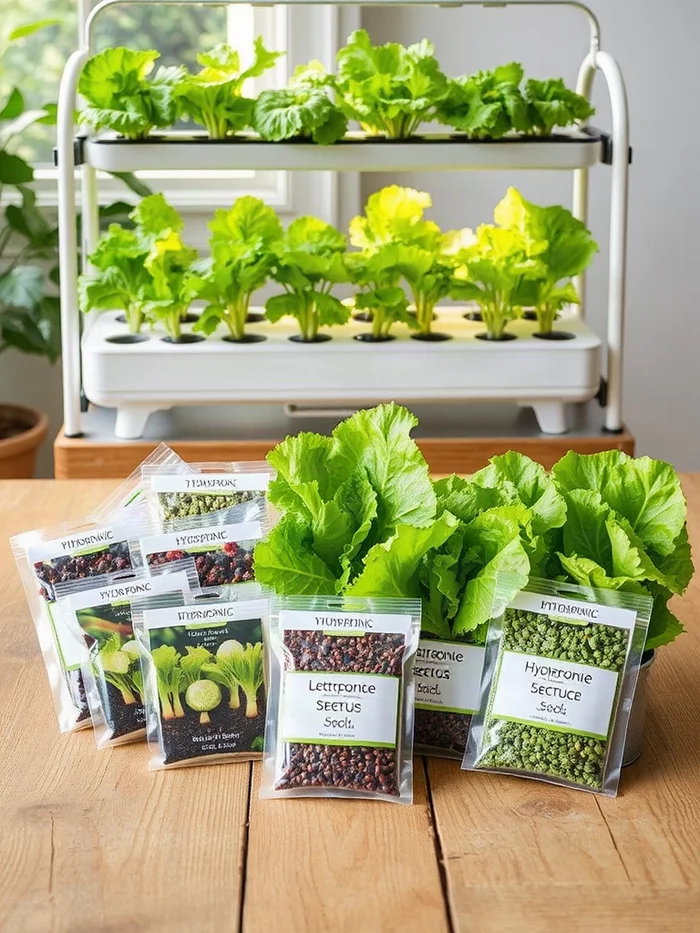
Finding the right seeds is crucial. Look for reputable suppliers that specialize in hydroponic lettuce seeds. They can provide you with quality options that are suited for your system. And remember, your seed choice can make a big difference in your garden's success!
Hydroponics represents the future of urban farming. By embracing this method, you’re contributing to a more sustainable world. Not only do you reduce your carbon footprint by growing food at home, but you also promote a greener lifestyle that inspires others. Together, we can cultivate a love for gardening and a commitment to sustainable practices!
A1: Hydroponic lettuce cultivation offers several key benefits, including faster growth rates, more efficient water usage due to recirculation, reduced risk of soil-borne diseases and pests, and greater space efficiency, making it ideal for urban gardening and continuous harvests year-round.
A2: Many lettuce varieties thrive in hydroponic systems. Popular choices include Butterhead (known for its soft, sweet leaves), Romaine (crunchy and sturdy), Looseleaf (fast-growing and easy to harvest), and Crisphead (dense heads with a crisp texture).
A3: When selecting hydroponic lettuce seeds, it's crucial to consider bolting resistance (to prevent premature flowering and maintain taste/texture) and germination speed (for quicker yields and a continuous supply). Opting for organic seeds from reputable hydroponic seed banks is also recommended for healthier plants and sustainable practices.
A4: Hydroponics is highly sustainable because it uses significantly less water than traditional soil gardening through recirculation. It also eliminates the need for large plots of land, reduces reliance on synthetic pesticides and fertilizers with organic seed choices, and minimizes transportation costs and carbon footprint when growing food at home.
A5: You can find valuable support and resources by joining online forums and social media groups dedicated to hydroponics. These communities offer a wealth of knowledge, tips, and troubleshooting advice from experienced gardeners. Additionally, reputable hydroponic seed suppliers often provide resources and guidance to help you succeed.
So, what are you waiting for? Let’s get those hydroponic systems set up, and soon you'll be enjoying your own crisp, delicious lettuce right from your home! Happy gardening!
Here is a quick recap of the important points discussed in the article: