Have you ever considered how much quicker and easier gardening could be if you didn't have to deal with soil? Hydroponic tomatoes not only provide a solution but also enhance your gardening experience. Let's dive into the innovative world of soil-less gardening and uncover the incredible benefits and key insights!
What You Will Learn
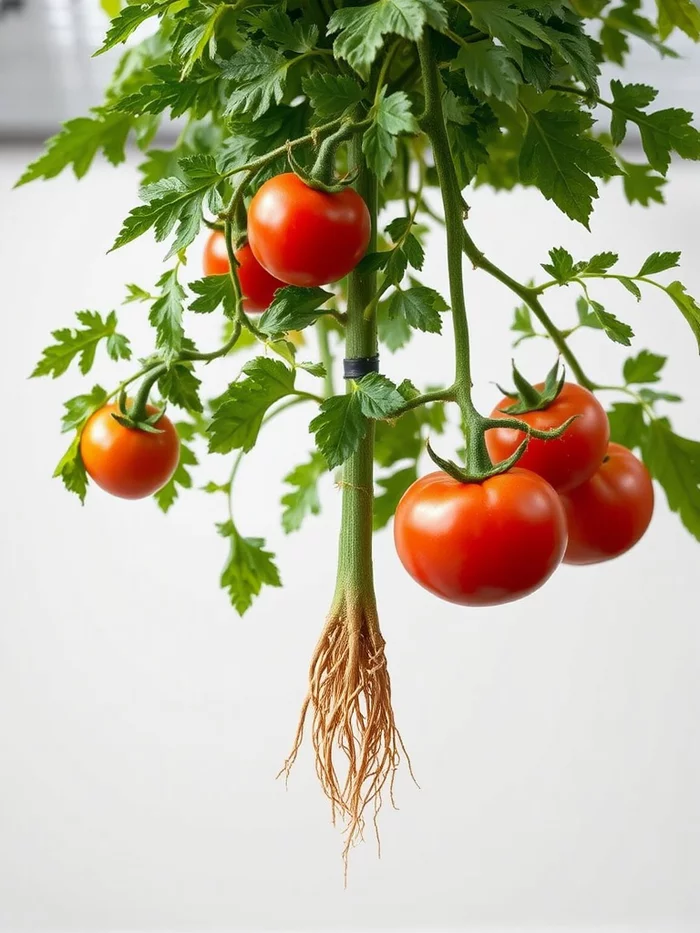
Hydroponic tomatoes grow in nutrient-rich water, eliminating the need for soil and boosting plant health.
This method uses up to 90% less water compared to traditional gardening, making it eco-friendly.
Hydroponic systems can lead to faster growth and higher yields, with tomatoes growing up to 25% quicker.
Urban gardeners can successfully cultivate tomatoes in small spaces thanks to hydroponic techniques.
Understanding the costs involved helps in evaluating the investment for starting a hydroponic garden.
Market demand for fresh, locally sourced produce creates lucrative opportunities for hydroponic tomato growers.
Hydroponic Tomato Cultivation Insights
Delve into the key aspects of hydroponic tomato cultivation, from its environmental benefits to the financial considerations for successful growth. For those new to this exciting method, our beginner's guide to starting hydroponics offers a great starting point.
Efficiency & GrowthWater Usage Comparison
Traditional
Hydroponic: 90% Less
Yield & SpeedGrowth Rate Advantage
Base
+25% Faster
Hydroponic tomatoes grow up to 25% faster.
Investment & ReturnsCost Analysis Flow
1Initial Setup (System, Lights)
2Operational Costs (Nutrients, Electricity)
3Maintenance (pH, Cleaning, Repairs)
Market PotentialCommercial Opportunities
• Consumer Trends (Organic, Sustainable)
• Retail Partnerships (Local Stores)
• Online Sales Potential
Understanding Hydroponic Tomatoes and Their Benefits
Welcome to the exciting world of hydroponic gardening! Have you ever wondered how you can grow delicious tomatoes without soil? Hydroponic tomatoes offer a fantastic solution! This innovative method allows you to cultivate plants using nutrient-rich water, providing them with everything they need to thrive right at your fingertips.
In this section, we'll explore the basics of hydroponic tomatoes, the benefits of growing them, and some popular varieties you might want to consider. Growing tomatoes hydroponically not only makes gardening accessible but can also yield impressive results!
What Are Hydroponic Tomatoes?
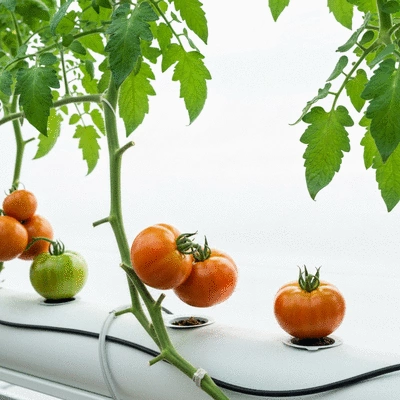
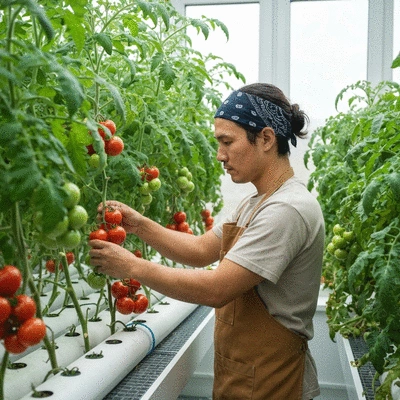
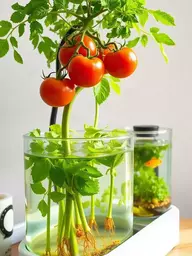
Hydroponic tomatoes are grown in a soil-less medium, allowing the roots to absorb nutrients directly from a nutrient solution. This technique uses various growing systems that can be adapted to indoor or outdoor environments. You might be surprised to learn that hydroponics can produce healthier plants faster than traditional methods! For more detailed information on different setups, check out our guide to understanding hydroponic systems.
Soil-less cultivation: Instead of dirt, plants grow in containers with nutrient solutions.
Water efficiency: Hydroponics uses up to 90% less water than traditional gardening!
Controlled environment: You can easily regulate the growing conditions for optimal growth.
By eliminating soil, you also reduce the risk of soil-borne diseases, ensuring that your plants stay healthy and productive.
Benefits of Growing Hydroponic Tomatoes
Growing hydroponic tomatoes offers a myriad of benefits that can make your gardening journey easier and more enjoyable. Here are a few key advantages that I've personally experienced:
Faster growth: With the right conditions, hydroponic tomatoes can grow up to 25% faster than those grown in soil.
Higher yields: Hydroponic systems allow for year-round cultivation, leading to more harvests.
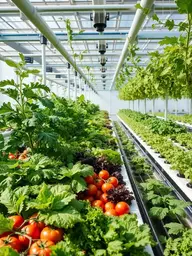
Reduced space: Perfect for urban gardeners, hydroponics enables you to grow your tomatoes in smaller spaces, like balconies or patios.
These benefits make hydroponic gardening an attractive option for anyone looking to maximize their gardening potential, regardless of the available space.
Popular Tomato Varieties for Hydroponic Gardening
When it comes to hydroponic gardening, not all tomato varieties are created equal! Some thrive better in these systems, producing bountiful harvests. Here are a few popular choices:
Cherry Tomatoes: These small, flavorful fruits grow quickly and are perfect for snacking!
Roma Tomatoes: Known for their meaty texture, they make great sauces and pastes.
Beefsteak Tomatoes: These large, juicy tomatoes are ideal for sandwiches and salads.
Choosing the right variety can significantly impact your success in hydroponic gardening, so be sure to consider your preferences and culinary needs!
Pro Tip
To maximize your hydroponic tomato yield, consider implementing a nutrient film technique (NFT) system. This method not only conserves water but also ensures that your plants receive a continuous flow of nutrients, promoting faster growth and healthier fruits!
Frequently Asked Questions About Hydroponic Tomatoes
What are hydroponic tomatoes?
Hydroponic tomatoes are tomatoes grown without soil, using nutrient-rich water solutions instead. This method allows roots to absorb nutrients directly, often leading to faster growth and higher yields.
What are the main benefits of growing hydroponic tomatoes?
Key benefits include faster growth (up to 25% quicker), higher yields, significant water savings (up to 90% less water), and the ability to grow in small or urban spaces. It also reduces the risk of soil-borne diseases.
How much water do hydroponic systems save?
Hydroponic gardening can use up to 90% less water compared to traditional soil-based gardening methods because water is recycled and precise amounts are delivered directly to the plants.
What are some popular tomato varieties suitable for hydroponics?
Cherry tomatoes, Roma tomatoes, and Beefsteak tomatoes are popular choices for hydroponic gardening due to their adaptability and ability to produce bountiful harvests in these systems.
What are the initial costs for setting up a hydroponic tomato garden?
Initial costs can include the hydroponic system itself, grow lights, reservoirs, and net pots. These expenses can vary from a few hundred to several thousand dollars depending on the system type and scale.
Are there commercial opportunities for hydroponic tomato growers?
Yes, there's growing market demand for locally sourced, fresh produce. Opportunities exist through consumer trends leaning towards organic and sustainable products, retail partnerships with local stores, and online sales platforms.
Evaluating the Investment in Hydroponic Tomato Cultivation
Growing hydroponic tomatoes can be an exciting venture, but like any gardening endeavor, it's essential to evaluate the investment you'll be making. Understanding the costs involved and the potential returns can help you make informed decisions about your hydroponic setup. Let’s dive into the key financial aspects you should consider!
Cost Analysis: Startup and Operational Costs
Starting a hydroponic tomato garden involves several initial expenses, as well as ongoing costs. Here’s a breakdown of what you can expect:
Initial setup costs: This includes the hydroponic system, grow lights, reservoirs, and net pots. Depending on your system choice, these can range from a few hundred to several thousand dollars.
Operational costs: Don't forget about the recurring expenses like nutrient solutions, electricity for grow lights, and water. These costs should be factored into your budget to ensure you can maintain your garden over time. Learn more about essential hydroponic nutrients to optimize your operational budget.
Maintenance costs: Regular monitoring of pH levels, cleaning supplies, and any repairs required for your system can add to your overall expenses.
By being aware of these costs, you can better plan your hydroponic journey and avoid any unexpected surprises down the road!
Expected Yields and Return on Investment
One of the most exciting aspects of hydroponic gardening is the potential for high yields. Many gardeners report that hydroponic tomatoes can produce significantly more fruit compared to traditional soil methods. Here are some factors that contribute to yield:
Growing conditions: By controlling the environment, you can optimize growth factors like light, temperature, and moisture.
Variety selection: Choosing high-yielding tomato varieties can lead to better returns.
Harvest frequency: Hydroponic systems often allow for quicker growth cycles, meaning you can harvest more frequently throughout the year.
When calculating your expected return on investment (ROI), consider both the quantity of tomatoes produced and their market value. With careful planning, the rewards can be significant!
Commercial Hydroponics: Market Demand and Opportunities
The demand for locally sourced, fresh produce continues to grow, creating a ripe opportunity for hydroponic tomato cultivation. Here are some market factors to consider:
Consumer trends: There’s a notable shift toward organic and sustainable products, which plays into the strengths of hydroponics.
Retail partnerships: Opportunities to partner with local grocery stores or farmer's markets can expand your reach and sales.
Online sales potential: Selling directly to consumers through online platforms can help you tap into a larger customer base.
By understanding market demand and positioning yourself strategically, you can turn your passion for hydroponics into a profitable venture. It's all about recognizing the opportunities that lie within!
Recap of Key Points
Here is a quick recap of the important points discussed in the article:
Hydroponic tomatoes: Grown in a soil-less medium, allowing for faster growth and higher yields.
Water efficiency: Hydroponics uses up to 90% less water compared to traditional gardening.
Space-saving: Ideal for urban gardeners, enabling cultivation in smaller spaces like balconies.
Initial and operational costs: Budget for setup, nutrient solutions, and maintenance expenses.
Market opportunities: Growing demand for fresh produce creates potential for profitable hydroponic ventures.
Final content section.
Subscribe & Share
2026-08-28
Growing Herbs with Hydroponics
Why settle for store-bought herbs when you can grow your own at home, in any space? Hydroponic garde
2026-08-27
Growing Sweet Corn from Seeds
Ready to transform your gardening experience? Selecting the right sweet corn seeds can make all the
Growing Your Own Garlic Bulbs
As you prepare to embark on your journey of growing garlic, consider this: garlic cultivation isn't
All American Gardeners
Your premier online resource for mastering home gardening across the U.S. We empower American home gardeners with expert tips, step-by-step guides, and sustainable practices for thriving outdoor spaces.
Trusted by gardeners nationwide, our mission is to provide reliable, easy-to-follow insights backed by Clara M. Greene's extensive horticulture experience and practical advice.