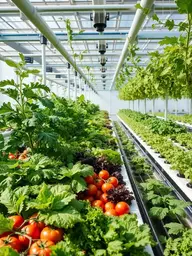
Faster Growth & Higher Yields
Plants absorb nutrients directly, often leading to harvests in 6-8 weeks, significantly boosting production.
Join Clara M. Greene's community for expert tips and seasonal guides tailored for American gardeners.
Posted on: 2026-05-19
By: Clara M. Greene
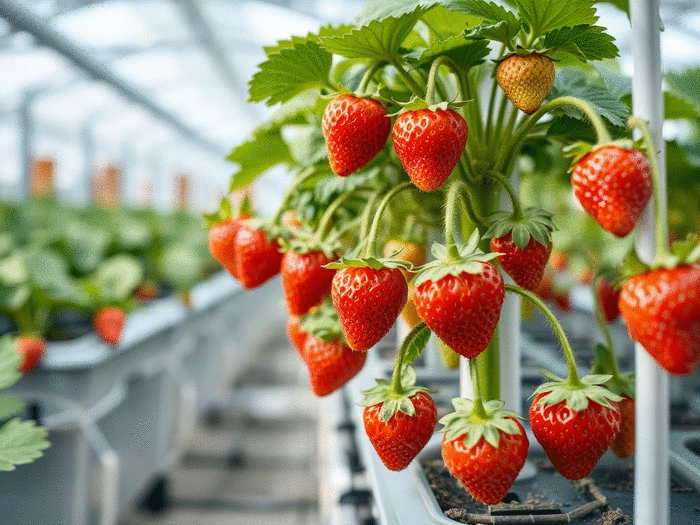
Have you ever dreamed of enjoying fresh strawberries right from your own garden, no matter the season? Hydroponic strawberry farming offers an innovative way to cultivate these delicious fruits without the limitations of traditional soil gardening. This method not only promises quicker growth but also supports sustainable practices that benefit both your palate and the planet.
Discover the compelling reasons to embrace hydroponic strawberry cultivation, offering faster growth, year-round production, and significant environmental benefits compared to traditional farming. For those new to this exciting method, a great starting point is our beginner's guide to starting hydroponics.
Plants absorb nutrients directly, often leading to harvests in 6-8 weeks, significantly boosting production.
Cultivate strawberries regardless of season or climate, ensuring a continuous fresh supply.
Vertical systems maximize small areas, ideal for balconies, apartments, or limited garden spaces.
Uses less water and minimizes pesticide needs, reducing environmental impact and carbon footprint.
Have you ever thought about growing delicious strawberries right at home? Hydroponic strawberry farming is a fantastic way to cultivate these sweet, juicy gems without the need for traditional soil gardening. With hydroponics, we utilize nutrient-rich water to feed the plants directly, allowing them to thrive in a controlled environment. This method is not only innovative but also incredibly rewarding!
In this section, we’ll explore the ins and outs of hydroponic strawberry farming and its remarkable advantages. Ready to learn how to grow your own strawberries? Let’s dig in!
Simply put, hydroponic strawberry farming involves growing strawberries in a solution that contains all the essential nutrients they need, without using soil. This technique can be done indoors or outdoors, making it a versatile choice for gardeners everywhere. By using systems that range from simple setups to more complex methods, we can create ideal conditions for strawberries to flourish.
This method is growing in popularity, especially among urban gardeners and those looking to maximize their space. It’s exciting to think about how hydroponics can transform the way we enjoy gardening! For more insights into maximizing your growing area, consider exploring vertical garden benefits.
There are numerous benefits to hydroponically growing strawberries, making this approach quite appealing. Let’s break down some of the most significant advantages:
One of the most exciting aspects of hydroponic strawberry farming is the potential for faster growth. Because the plants receive a direct supply of nutrients in a water-based solution, they can absorb what they need quickly. This often results in higher yields compared to traditional soil-based cultivation!
Many gardeners report seeing strawberries ready for harvest in as little as 6 to 8 weeks after planting. How amazing is that?
With hydroponics, you’re not limited to seasonal growth. You can cultivate strawberries all year long, regardless of your local climate. This means fresh strawberries are available whenever you want them, providing a continuous supply for you and your family!
This year-round capability opens up so many possibilities for enjoying fresh fruit during any season. You’ll never have to wait for summer to enjoy your favorite strawberries!
Are you short on space? No problem! Hydroponic systems can be set up vertically, allowing gardeners to maximize their available area. Whether you have a small balcony or a spacious outdoor garden, hydroponics can fit right in.
This is especially beneficial for urban gardening, where traditional gardening space can be limited. You can create a thriving garden even in a small apartment or backyard!
Hydroponic gardening isn’t just great for you; it’s also good for the planet! Because this method uses less water and eliminates the need for pesticides, it promotes a more sustainable gardening practice. Plus, you can reduce your carbon footprint by growing your own food at home.
By choosing hydroponic strawberry farming, you're not only enjoying fresh fruit but also contributing to a healthier environment. It’s a win-win situation!
To enhance the growth of your hydroponic strawberries, consider implementing a nutrient monitoring system. Regularly check the pH level and nutrient concentration of your solution to ensure optimal conditions for your plants. Maintaining a pH between 5.5 and 6.5 is crucial for nutrient absorption, leading to healthier plants and better yields!
Hydroponic strawberry farming is a method of growing strawberries without soil, using nutrient-rich water solutions to feed the plants directly. This technique allows for precise control over growing conditions, leading to faster growth and higher yields.
One of the significant advantages of hydroponics is faster growth. Many gardeners can harvest strawberries in as little as 6 to 8 weeks after planting, compared to traditional soil methods.
Yes, hydroponics allows for year-round production of strawberries, regardless of external climate or seasonality. This is especially true for indoor setups where environmental factors can be precisely controlled.
Absolutely. Hydroponics uses significantly less water than traditional soil gardening, and it often eliminates the need for pesticides. This makes it a more environmentally friendly and sustainable farming practice.
Hydroponic systems are highly space-efficient. Many designs, especially vertical systems, are ideal for small spaces like balconies, apartments, or limited urban gardens. You can maximize your growing area substantially.
As we've explored the world of hydroponic strawberry farming, it’s clear that this method offers numerous advantages for home gardeners and commercial growers alike. From faster growth to sustainable practices, hydroponics can be a game-changer for anyone looking to cultivate juicy, vibrant strawberries. Remember, understanding the unique needs of your chosen strawberry varieties is crucial for success!
In summary, here are the key benefits and considerations to keep in mind when venturing into hydroponic strawberry cultivation:
Now that you have a solid understanding of hydroponic strawberry farming, let’s reflect on the opportunities awaiting you. Whether you’re eyeing a small home setup or contemplating a larger commercial venture, hydroponics can adapt to your goals!
For those considering commercial farming, hydroponics can lead to higher yields and potentially greater profits. On the other hand, if you're a home gardener, think about how rewarding it can be to grow your own strawberries right in your kitchen or backyard!
Another important aspect is recognizing the differences between hydroponic and traditional farming methods. Hydroponics allows for precise control over nutrient and water delivery, which can result in healthier plants. However, traditional soil gardening has its own charm and benefits, such as fostering a diverse ecosystem. Ultimately, the choice comes down to personal preference and your gardening goals.
To kick off your hydroponic strawberry adventure, it’s important to have a checklist handy. Here’s a simple list of essentials you’ll need to get started:
Getting quality supplies is vital for success. At All American Gardeners, we aim to guide you on where to find the best equipment and resources that are perfect for your hydroponic setup!
When selecting grow lights, look for LED options that provide the full spectrum of light necessary for plant growth. For nutrient solutions, consider those specifically formulated for strawberries, as these will ensure your plants receive the right balance of nutrients. You can also learn more about top hydroponic lighting options to make an informed choice.
Whether you’re a beginner or a seasoned pro, there are hydroponic supplies that cater to your needs. Don't hesitate to reach out for recommendations—we're here to help you create a thriving hydroponic strawberry garden! If you're just getting started, check out our guide on getting started with hydroponic kits for an easier entry into this rewarding hobby.
Here is a quick recap of the important points discussed in the article: