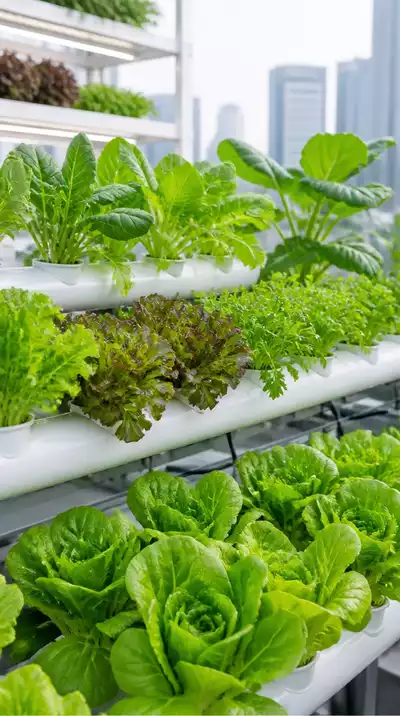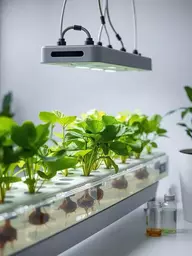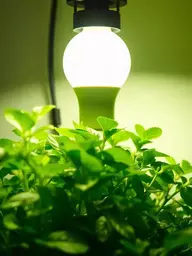
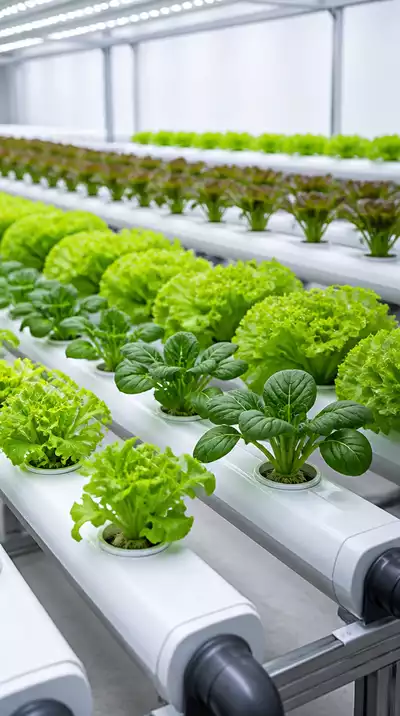
Faster Growth Rates
Plants receive direct access to nutrients, leading to quicker maturity and more frequent harvests compared to traditional methods.
Accelerated Development
Join Clara M. Greene's community for expert tips and seasonal guides tailored for American gardeners.
Posted on: 2026-09-05
By: Clara M. Greene
Have you ever wondered how to grow fresh vegetables without using soil? Hydroponics opens up a world of possibilities for urban gardeners and enthusiasts alike. This innovative method not only maximizes space but also leads to healthier, quicker-growing plants. Let's uncover the key insights from this beginner's guide to hydroponic gardening!
Hydroponics offers significant advantages over traditional soil gardening, from faster growth to substantial water savings and reduced pest issues. If you're looking to start your own hydroponic venture, check out our guide on starting hydroponics: a beginner's guide. Below are some of the key benefits presented in a clear, comparative view.
Plants receive direct access to nutrients, leading to quicker maturity and more frequent harvests compared to traditional methods.
Hydroponics uses up to 90% less water than traditional gardening, making it highly efficient and sustainable.
Cultivate plants regardless of external climate conditions, enabling consistent production throughout the year.
The soilless environment significantly lowers the risk of soil-borne pests and diseases, simplifying plant care.
Welcome to the fascinating world of hydroponics! If you've ever thought about growing vegetables without soil, you're in for a treat! Hydroponic gardening allows you to cultivate a variety of plants using nutrient-rich water, creating a sustainable and efficient gardening method.
But what exactly are hydroponic vegetables? These are plants grown in a water-based environment, where their roots directly absorb the nutrients they need. This method not only saves space but also enables faster growth compared to traditional soil gardening.
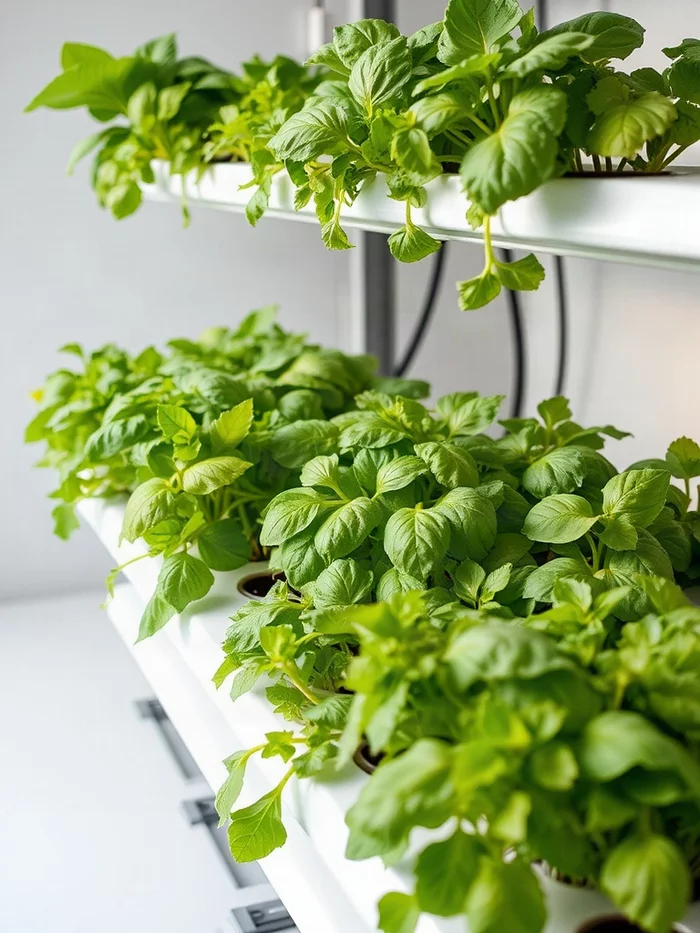
Hydroponic vegetables are cultivated in a soilless environment, which means they rely on water and nutrient solutions instead of traditional soil. There are several methods to achieve this, such as nutrient film technique (NFT), deep water culture (DWC), and more. These techniques allow you to grow a range of produce, from leafy greens to fruiting vegetables, all with enhanced ease and efficiency. For more insights into different systems, read our guide on understanding hydroponic systems today.
By eliminating soil, the risk of soil-borne diseases is significantly reduced, making it easier to maintain healthy plants. If you’re just starting out, hydroponic gardening can be a thrilling way to dive into your gardening journey!
Now that we know what hydroponic vegetables are, let’s explore the benefits of this innovative gardening technique. One of the greatest advantages is the ability to grow plants in limited space, making it perfect for urban dwellers or those with small backyards.
As someone who loves sharing gardening tips, I can tell you that these benefits can lead to healthier plants and more bountiful harvests! Hydroponics offers an exciting way to cultivate your green thumb while enjoying fresh produce.
Understanding the basics of hydroponics is essential for anyone looking to start this method. At its core, hydroponics relies on a nutrient-rich solution that nourishes the plants without the use of soil. To get started, you’ll need to choose a hydroponic system that fits your space and needs.
Each system has its own unique advantages, and experimenting with different methods can help you find what works best for you. With a little patience and practice, you'll discover that growing hydroponic veggies can be a rewarding and enjoyable experience!
Did you know? Monitoring the pH level of your nutrient solution is crucial for thriving hydroponic plants. Aim to keep the pH between 5.5 and 6.5 for optimal nutrient absorption. This simple adjustment can significantly enhance your plant growth and yield!
As we wrap up this exploration of hydroponic gardening, it’s essential to take a moment to evaluate your hydroponic choices and their potential yield. Understanding how much you can grow and the profitability of your setup can guide your next steps and help you make informed decisions!
First, consider the types of vegetables you’ve chosen to cultivate. Some crops can yield more than others, so it’s wise to track your harvests closely. Have you noticed which plants are thriving? Keeping records can help you learn and improve your methods over time.
When evaluating your hydroponic system, think about both yield and profitability. Here are a few key factors to consider:
By weighing these factors, you’ll gain insights into whether your hydroponic garden is meeting your expectations. Remember, as we gardeners know, every little bit of data helps us improve!
After you’ve evaluated your current setup, the next step is to keep learning! Hydroponic gardening is an evolving field, and there are countless resources available to help you grow your skills. Here are some effective ways to expand your knowledge:
At All American Gardeners, we believe in the power of community and shared knowledge. Don’t hesitate to reach out and ask questions. We’re all in this together!
Every gardener faces challenges, and hydroponics is no different! Understanding common issues can help you troubleshoot effectively. For instance, managing pests in a soilless environment requires specific strategies. Learn more about natural pest control for gardens to keep your hydroponic setup healthy.
Recognizing these challenges early on can help you develop solutions. Remember, adapting your techniques is part of the fun and learning in gardening!
Now that you’re well-versed in hydroponic gardening, let’s talk about the importance of community! Sharing your experiences and learning from others can be immensely rewarding.
Have you had successes or challenges in your hydroponic journey? I encourage you to share your experiences! Whether it’s through social media or local gardening groups, your insights can inspire others. Be sure to offer your tips on what worked well for you and what you learned along the way.
To continue enhancing your hydroponic gardening skills, take advantage of the wealth of resources available. Here are some excellent options:
At All American Gardeners, we’re committed to helping you find the best resources to support your gardening journey. Let’s cultivate our green thumbs together!
A: Hydroponic vegetables are plants grown in a soilless, water-based environment, where their roots directly absorb nutrient-rich solutions for growth.
A: Key benefits include faster growth rates, up to 90% less water usage, year-round gardening independence from climate, and reduced risk of soil-borne pests and diseases.
A: Common systems include Deep Water Culture (DWC), Nutrient Film Technique (NFT), Ebb and Flow systems, and Drip systems. Each offers unique advantages for different needs and spaces.
A: Evaluate factors such as plant growth rate, market demand for your produce, the cost of inputs (nutrients, water, electricity), and the labor and maintenance required.
A: Monitoring the pH level of your nutrient solution is crucial. Maintaining a pH between 5.5 and 6.5 ensures optimal nutrient absorption by your plants, significantly enhancing growth and yield.
Here is a quick recap of the important points discussed in the article: