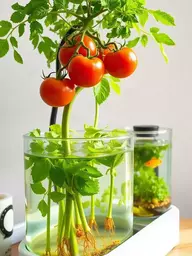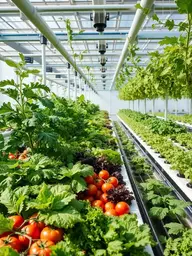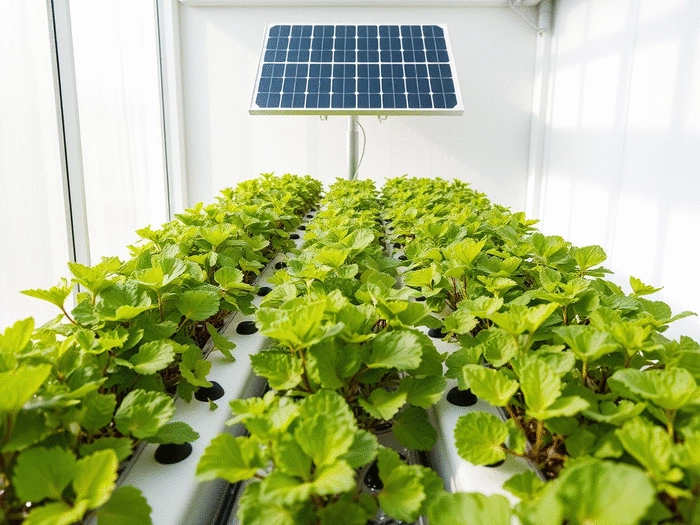
Cost Savings & Energy Independence
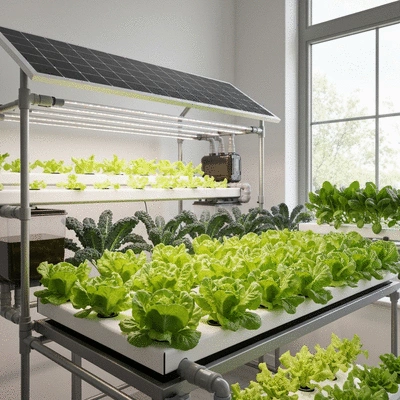
Reduced utility bills due to solar energy significantly lower operational costs, moving towards complete energy independence for your garden.
Join Clara M. Greene's community for expert tips and seasonal guides tailored for American gardeners.
Posted on: 2026-03-30
By: Clara M. Greene
Did you know that integrating solar energy with hydroponics can revolutionize how we grow food? This innovative approach not only enhances sustainability but also maximizes efficiency in gardening. Let’s explore the key lessons you’ll gain from this engaging topic!
Harnessing solar power for hydroponic systems offers significant benefits for sustainable gardening. These systems combine innovative technology with nature's fundamentals, allowing us to grow plants efficiently while relying on renewable energy sources. This innovative approach not only maximizes space but also minimizes the environmental impact of traditional agriculture practices. Exploring vertical garden benefits further highlights how such methods can transform urban farming.
Reduced utility bills due to solar energy significantly lower operational costs, moving towards complete energy independence for your garden.
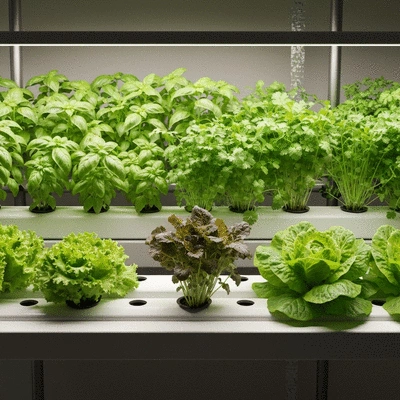
Hydroponic systems inherently promote faster plant growth compared to traditional soil gardening, maximizing yield and efficiency.
Lower carbon footprint by utilizing renewable solar energy, promoting water conservation, and minimizing land use through vertical farming.
Controlled environments enable continuous growing cycles regardless of external weather conditions, providing a steady supply of fresh produce.
Are you curious about how solar energy can transform gardening, especially in hydroponics? A solar-powered hydroponic system combines cutting-edge technology with nature's fundamentals, allowing us to grow plants efficiently while relying on renewable energy sources. This innovative approach not only maximizes space but also minimizes the environmental impact of traditional agriculture practices.
In essence, a solar-powered hydroponic system uses solar panels to harness the sun's energy, powering the pumps, nutrient delivery systems, and lighting needed for plant growth. Let's dive deeper into what these systems entail and uncover their benefits!
A solar-powered hydroponic system integrates solar energy with hydroponics, a method of growing plants in nutrient-rich water instead of soil. By using solar panels, these systems generate electricity to run various components necessary for plant growth, such as water pumps, aerators, and lighting. It’s a sustainable and efficient way to cultivate plants, particularly in areas with limited arable land.
This combination radically changes how we think about food production, making it possible to grow fresh produce in urban settings and regions with challenging climates. For those just starting, starting hydroponics: a beginner’s guide offers excellent foundational knowledge.
By pairing solar power with hydroponics, home gardeners can reap numerous benefits:
These advantages make solar-powered hydroponic systems an appealing option for those looking to embrace sustainable gardening practices.
Utilizing solar energy within hydroponic systems promotes sustainable agriculture by reducing reliance on fossil fuels and lowering greenhouse gas emissions. This synergy encourages environmentally friendly practices and fosters a connection to nature.
As a passionate gardener and advocate for sustainable practices, I've seen firsthand how integrating solar power not only makes gardening more efficient but also contributes positively to our environment. Join me in exploring the exciting world of solar-powered hydroponics!
When setting up your solar-powered hydroponic system, consider integrating smart technology to monitor and optimize your system’s performance. Smart sensors can track light, temperature, and moisture levels, providing real-time data to help you create the ideal growing conditions for your plants, ultimately enhancing their growth and productivity.
A solar-powered hydroponic system combines solar energy technology with hydroponics to grow plants. Solar panels generate electricity to power essential components like water pumps, aerators, and lighting, enabling sustainable plant cultivation without soil.
Key benefits include significant cost savings on electricity bills, increased energy independence, reduced carbon footprint due to renewable energy use, faster plant growth rates compared to traditional gardening, and the ability to produce crops year-round regardless of external weather conditions.
Solar hydroponics promotes sustainability by utilizing renewable solar energy, which lowers greenhouse gas emissions. It also conserves water significantly compared to traditional farming, minimizes land use through vertical gardening, and can facilitate organic growing methods.
Yes, solar-powered hydroponics can be used for organic growing. By carefully selecting nutrient solutions and avoiding synthetic fertilizers and pesticides, you can cultivate organic produce sustainably.
Absolutely. The controlled environment of a hydroponic system, powered by solar energy, allows for consistent growing cycles throughout the year, ensuring a steady supply of fresh produce regardless of seasonal changes or weather.
As we conclude our deep dive into solar-powered hydroponic systems, it's clear that this innovative approach has the potential to transform how we grow food sustainably. By harnessing the power of the sun combined with efficient hydroponic techniques, gardeners can cultivate thriving plants while reducing their environmental impact. Here are some key takeaways to consider:
Considering these advantages, it's no surprise that many gardeners are excited about integrating solar hydroponic systems into their practices!
If you're inspired to take the next step toward implementing your own solar-powered hydroponic system, there are numerous resources available. Here’s a quick list of valuable tools and guides to kickstart your journey:
At All American Gardeners, we are dedicated to providing the community with the best resources to empower your gardening journey. Remember, every small step toward sustainability counts! If you're looking for more general advice on plant care, our guide on plant care tips for home gardeners is a great resource.
Your experiences and insights are invaluable! I invite you to share your solar hydroponic journey with us. Whether you’re just starting or have been growing for a while, your voice can inspire others in the community. What challenges have you faced? What successes have you celebrated? Engaging with others is a great way to learn and grow together!
Don’t miss out on the latest trends in solar hydroponics and gardening best practices! Subscribe to our newsletter at All American Gardeners for updates on new articles, tips, and product recommendations. Staying informed will help you make the best choices for your garden!
Connecting with local food systems enhances your gardening experience and supports your community. Explore options for joining Community Supported Agriculture (CSA) programs in your area or participate in local farmers’ markets. Not only will you access fresh, locally grown produce, but you’ll also create meaningful connections with fellow gardeners and consumers. For instance, understanding the local climate is crucial, and our guide on USDA Hardiness Zones Explained can help you make informed decisions.
Let’s grow a thriving community around sustainable practices and share our love for gardening together!
Here is a quick recap of the important points discussed in the article: