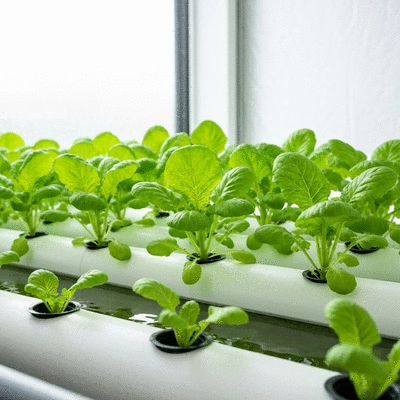
What is Hydroponics?
- Soil-less cultivation
- Nutrient-rich water solution
- Indoor/outdoor adaptability
- Reduced water usage
Efficient and environmentally friendly plant cultivation.
Join Clara M. Greene's community for expert tips and seasonal guides tailored for American gardeners.
Posted on: 2026-06-22
By: Clara M. Greene
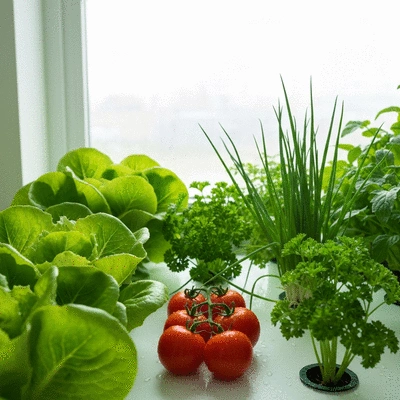
Have you ever wondered how you can grow fresh vegetables and herbs right in your own home, regardless of the weather? Hydroponic agriculture offers a revolutionary solution that allows you to do just that, maximizing space and resources!
Discover the core benefits and operational insights of hydroponic agriculture, illustrating how this soil-less method optimizes plant growth and resource efficiency. For those looking to get started, our guide on starting hydroponics: a beginner's guide provides essential information to begin your journey.
Efficient and environmentally friendly plant cultivation.
Regulated conditions for thriving plants.
Optimal growth regardless of external factors.
A growing field driven by sustainable demand.
Welcome to the fascinating world of hydroponic agriculture! At All American Gardeners, I’m excited to share how this innovative method of growing plants without soil can transform your gardening experience. Hydroponics allows you to cultivate a wide variety of plants in a sustainable and efficient manner, making it an ideal choice for both novice and seasoned gardeners alike.
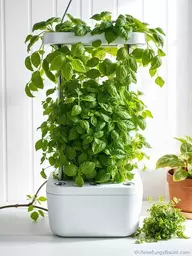
But what exactly does hydroponic agriculture entail? Essentially, it involves nurturing plants in a nutrient-rich water solution instead of traditional soil. This means you can grow crops indoors or in limited spaces, making it a fantastic solution for urban gardeners. Let's dive into the specifics together!
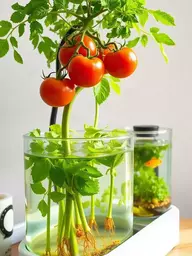
Hydroponic agriculture is a method of growing plants where the roots are submerged in a nutrient solution. This technique allows plants to absorb essential nutrients directly from the water, promoting faster growth and higher yields. Hydroponics is not only efficient but can also be more environmentally friendly than conventional farming practices.
This approach opens up numerous possibilities for home gardeners looking to maximize their space and resources. Whether you're aiming for leafy greens or vibrant herbs, hydroponics can help you achieve your gardening goals! To further enhance your gardening knowledge, consider exploring resources on organic gardening tips for beginners.
In hydroponics, plants are typically grown in containers filled with an inert growing medium like clay pellets or rock wool. The key to success lies in the nutrient solution, which is carefully balanced to provide all the essential elements that plants need to thrive.
By closely regulating these factors, you can create an environment where plants flourish! This control over growing conditions makes hydroponics an exciting option for gardeners ready to experiment and innovate.
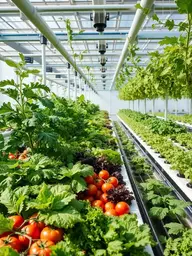
Controlled Environment Agriculture (CEA) is an integral part of hydroponic systems, allowing for optimal growth conditions regardless of external weather factors. CEA environments are typically equipped with advanced monitoring systems that help maintain temperature, humidity, and light levels.
Through the combination of hydroponics and CEA, you can create a thriving garden that is not only productive but also sustainable. With a little dedication and knowledge, hydroponics can be your ticket to a flourishing garden that makes the most of limited resources!
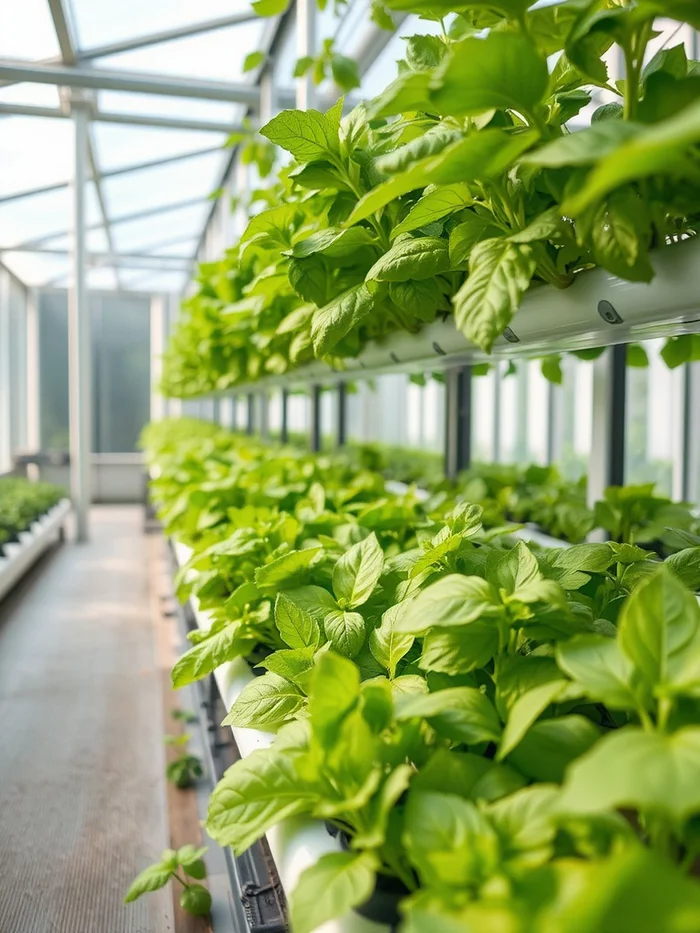
To maximize your success in hydroponic gardening, consider starting with nutrient film technique (NFT). This system allows for a continuous flow of nutrient solution over the roots, promoting faster growth and healthier plants. Plus, it's a great way to conserve water while ensuring your plants get all the nutrients they need!
As we wrap up our exploration into hydroponic agriculture, it's essential to ask: Is hydroponic farming right for you? The answer largely depends on your gardening goals, available resources, and willingness to learn. Hydroponics offers unique advantages, but it also comes with challenges. By assessing these factors, you can make an informed decision that aligns with your green thumb ambitions!
To help you determine if hydroponics is the right fit, here are some questions to consider:
These questions will guide you as you embark on your hydroponic journey. Understanding your own needs will help you navigate this exciting world of gardening!
As you ponder your next steps, keep in mind several key takeaways from our discussion about hydroponic systems:
Being aware of these points will ensure you're well-prepared for the ups and downs of hydroponic gardening. Remember, knowledge is power, and with the right tools and support, you can cultivate a thriving hydroponic garden!
The hydroponic market is growing rapidly as more gardeners seek sustainable practices that align with their lifestyles. With an increasing focus on food security and local sourcing, hydroponics is becoming a popular choice for both home gardeners and commercial operations. By staying informed about market trends, you can better position yourself for success in this evolving field.
If you're eager to dive deeper into hydroponic gardening, consider exploring resources that focus on emerging trends and technologies, such as understanding hydroponic control systems. Staying ahead of the curve will not only enhance your gardening skills but also make you a part of the growing community dedicated to sustainable agriculture!
Hydroponic agriculture is a method of growing plants without soil, using nutrient-rich water solutions to deliver essential nutrients directly to the plant roots.
Key benefits include faster growth rates, reduced water usage, efficient use of space, minimized pest and disease issues, and year-round crop production regardless of external weather.
CEA is an integral part of hydroponic systems, involving advanced monitoring to control environmental factors like temperature, humidity, and light, which optimizes growth conditions.
Challenges include initial setup costs, the need for technical knowledge regarding nutrient management and system maintenance, and proper pH monitoring. However, these are manageable with education and resources.
Yes, hydroponics is highly adaptable for indoor cultivation, making it an excellent option for urban gardeners or those with limited outdoor space.
Now that you have a foundation in hydroponic agriculture, it's time to equip yourself with further knowledge. Here are some excellent resources to consider:
These resources can provide invaluable support as you continue your hydroponic journey, helping you troubleshoot issues and share successes along the way!
Engaging with the hydroponic community can be one of the most rewarding aspects of this gardening adventure. By connecting with others, you can exchange tips, share experiences, and even collaborate on projects. Here are some avenues to explore:
Building a network of support can enhance your learning experience and help you stay motivated as you grow your hydroponic garden!
If you're serious about mastering hydroponics, I highly recommend looking into specific training courses. Many organizations offer comprehensive programs that cover everything from system setup to advanced nutrient management techniques. You'll gain practical knowledge and skills, ensuring you’re well-equipped to tackle the challenges of hydroponic gardening.
Learning from experts can accelerate your growth as a hydroponic gardener, and it’s a great way to meet like-minded individuals who share your passion. So, are you ready to take the plunge?
Here is a quick recap of the important points discussed in the article: