Understanding Hydroponic Seeds Basics
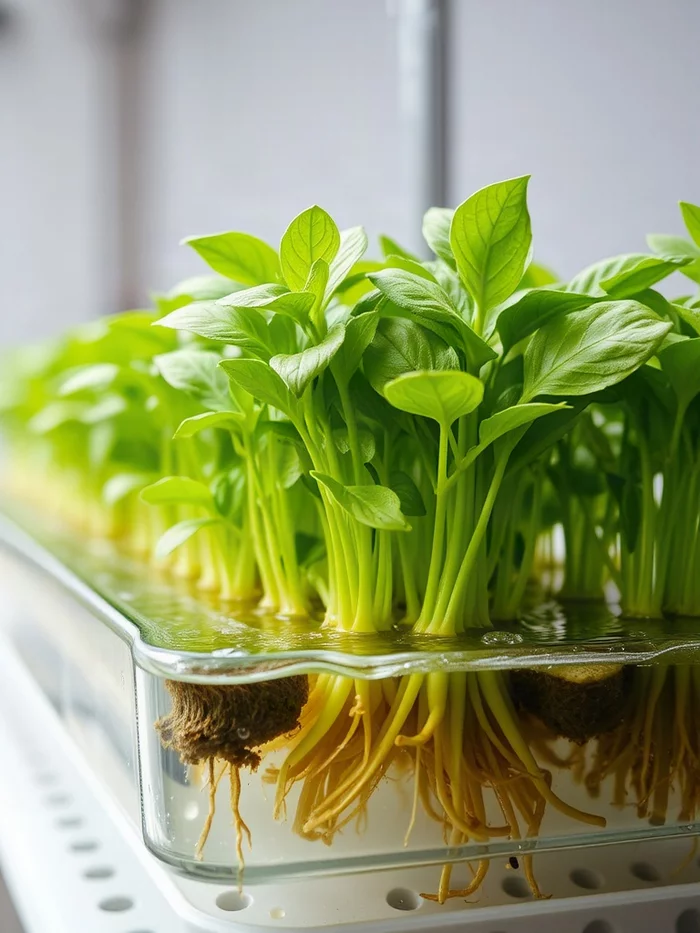
Posted on: 2026-08-11
By: Clara M. Greene
Have you ever considered how much faster and more productive your garden could be with the right seeds? Hydroponic gardening is changing the game, and understanding hydroponic seeds is your first step toward a thriving indoor garden!
What You Will Learn
- Hydroponic seeds are specifically bred for soilless systems, ensuring efficient nutrient absorption.
- These seeds typically offer faster growth and higher yields compared to traditional seeds.
- In hydroponics, you can control environmental factors like pH and nutrient levels, leading to healthier plants.
- Selecting the right seeds is crucial; consider traits like compact growth, disease resistance, and days to maturity.
Hydroponic Gardening: Key Differences & Success Factors
Delve into the core distinctions between hydroponic and traditional gardening, along with essential considerations for selecting the right seeds to ensure a thriving hydroponic setup. For a foundational understanding of this innovative method, explore our guide on starting hydroponics as a beginner.
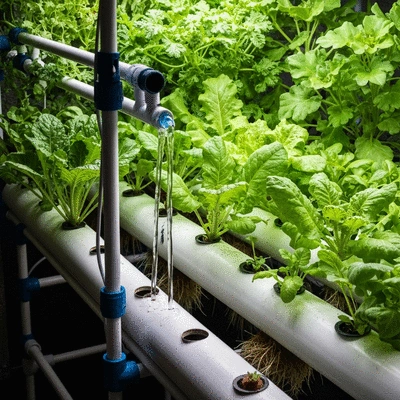
Hydroponic vs. Traditional Gardening
- ✓**No Soil:** Nutrient-rich water delivers essentials directly to roots.
- ✓**Less Water:** Significantly higher water efficiency.
- ✓**Controlled Environment:** Precise management of pH and nutrients.
- ✓**Reduced Pests:** Fewer soil-borne pests and diseases.
Key Factors for Hydroponic Seed Selection
- ★**Growth Habits:** Choose compact varieties for space efficiency.
- ★**Days to Maturity:** Align with desired harvest schedules.
- ★**Disease Resistance:** Opt for high-quality, resilient seeds.
- ★**Variety Type:** Organic vs. specialty seeds based on goals.
Understanding Hydroponic Seeds: The Basics
As a passionate gardener, I find that understanding hydroponic seeds is crucial for anyone looking to delve into this innovative gardening method. So, what exactly are hydroponic seeds? These are seeds specifically suited for growing plants in a hydroponic system, where the soil is replaced with nutrient-rich water. This method allows for faster growth and higher yields, making it a favorite among both novice and experienced gardeners!
Hydroponic seeds are essential because they can adapt to the unique conditions of hydroponic systems, ensuring strong, healthy plants. They often come from varieties that have been bred for efficiency in these environments, meaning you can expect robust growth with the right care and management. For more insights on general seed selection, check out our article on choosing the right gardening seeds.
Hydroponic seeds are designed to thrive in soilless systems, which means they must meet specific requirements to perform well. One key aspect is their ability to absorb nutrients efficiently from the water, which is vital for their growth. Unlike traditional seeds, these seeds often carry traits that enhance their resilience, making them more suitable for indoor and controlled growing conditions.
- Adaptability: Hydroponic seeds adapt well to various nutrient solutions.
- Faster Growth: They typically germinate and mature quicker than traditional seeds.
- Higher Yields: Designed to maximize production in limited spaces.
Understanding the importance of these seeds can help you make informed choices for your hydroponic garden. The right seeds can mean the difference between a flourishing crop and a struggling one!
How Hydroponic Growing Differs from Traditional Gardening
Now, let's talk about how hydroponic growing differs from traditional gardening. In a traditional garden, the soil is the bedrock of the ecosystem, providing nutrients, support, and moisture. However, in hydroponics, we rely on a nutrient solution delivered directly to the plant roots, which creates a more controlled growing environment!
- Soil vs. No Soil: Hydroponics eliminates the need for soil, reducing pests and diseases.
- Water Efficiency: Hydroponic systems use significantly less water than traditional gardening.
- Controlled Environment: Factors like pH and nutrient levels can be precisely managed.
These differences allow for innovative growing techniques which can lead to more sustainable gardening practices. At All American Gardeners, we’re dedicated to sharing these insights to help you become a more effective gardener, whether you're starting with a hydroponic system or simply want to explore new methods!
Pro Tip
When selecting hydroponic seeds, consider starting with varieties that have been specifically bred for hydroponic systems. These seeds often exhibit traits such as enhanced nutrient absorption and faster growth rates, which can significantly boost your gardening success. Don't forget to check for disease resistance to ensure your plants thrive in a controlled environment!
Summarizing Key Insights on Hydroponic Seeds
As we wrap up our discussion on hydroponic seeds, it's essential to remember the key factors that can influence your seed choices. With so many options available, understanding the specific needs of your hydroponic system is crucial for a successful gardening experience. Keep in mind aspects like compact growth, disease resistance, and the specific varieties that thrive in your chosen setup.
Here’s a quick recap of the main factors to consider when selecting seeds for hydroponic gardening:
- Growth habits: Look for varieties that are known for compact growth to maximize your space.
- Days to maturity: Choose seeds that align with your desired harvest times.
- Disease resistance: Opt for high-quality seeds that can withstand common pests and diseases.
- Variety type: Decide between organic and specialty seeds depending on your gardening goals.
By keeping these factors in mind, you set yourself up for success right from the seed selection stage! For further reading on organic options, consider our simple guide to organic seed starting.
Final Thoughts on Successful Hydroponic Gardening
Hydroponic gardening can truly revolutionize the way you grow your plants. With the right seeds and techniques, you can cultivate a thriving garden indoors or in limited outdoor spaces. Remember, it’s not just about the seeds you choose; it’s also about your passion and commitment to nurturing your plants. As someone who has spent countless hours experimenting with different growing methods, I can assure you that the journey is just as rewarding as the harvest.
Take the time to learn about your plants, engage with your gardening community, and don’t hesitate to share your experiences. Every gardener has valuable insights to offer, and together, we can make our hydroponic gardening efforts flourish!
Engaging with Your Hydroponic Gardening Journey
Frequently Asked Questions about Hydroponic Seeds
Starting with hydroponic gardening can come with a lot of questions! Here are some frequently asked questions to guide you on your journey:
- What are hydroponic seeds? Hydroponic seeds are varieties specifically selected or bred to thrive in soilless growing systems, optimized for nutrient absorption from water.
- Are hydroponic seeds different from regular seeds? While you can use regular seeds, hydroponic seeds are often chosen for traits like faster germination, compact growth, and efficient nutrient uptake, which are beneficial in hydroponic environments.
- What types of plants grow best from hydroponic seeds? Fast-growing leafy greens (like lettuce, spinach), herbs (basil, mint), and certain vegetables (tomatoes, cucumbers) are excellent choices for hydroponic systems.
- Do hydroponic seeds require special care? They benefit from consistent nutrient solutions, proper pH levels, and adequate lighting, but the seeds themselves don't require special pre-treatment beyond standard germination practices.
- Where can I buy quality hydroponic seeds? You can find them at local garden centers, online hydroponic retailers, and specialty seed suppliers.
These questions are just the tip of the iceberg! Engaging with fellow gardeners and resources like All American Gardeners can help you find answers to your specific queries.
Where to Buy Quality Hydroponic Seeds and Supplies
Finding quality hydroponic seeds and supplies is essential for your gardening success. Here’s a quick list of places to consider when shopping:
- Local garden centers: They often carry a variety of hydroponic seeds and supplies.
- Online retailers: Websites specializing in hydroponics usually offer a wide selection.
- Specialty gardening shops: These stores can provide expert advice and high-quality products.
When purchasing, look for reputable brands and read reviews to ensure you’re getting the best for your garden!
Exploring Hydroponic Equipment and Kits for Beginners
If you’re new to hydroponics, consider starting with a hydroponic kit. These kits typically include everything you need to set up your garden, making it easier for beginners to dive right in! Here are some popular types of equipment you might explore:
- Starter kits: Perfect for first-time gardeners, these kits usually come with seeds, nutrient solutions, and instructions.
- Grow lights: Essential for indoor gardening, they provide the right spectrum of light for your plants.
- Pumps and aeration systems: Vital for maintaining water and nutrient flow in your hydroponic setup.
Remember, investing in quality equipment can significantly enhance your gardening experience. Don’t hesitate to reach out for recommendations or tips on setting up your hydroponic system! For an in-depth look at setting up your system, refer to our guide on simple indoor hydroponic gardening tips.
Recap of Key Points
Here is a quick recap of the important points discussed in the article:
- Adaptability: Hydroponic seeds thrive in various nutrient solutions, making them versatile for different hydroponic systems.
- Faster Growth: These seeds typically germinate and mature quicker than traditional seeds, ensuring a more efficient growing cycle.
- Higher Yields: Designed to maximize production, hydroponic seeds can provide greater output in limited spaces.
- Growth Habits: Select varieties known for compact growth to optimize space in your hydroponic setup.
- Disease Resistance: Choose high-quality seeds that withstand common pests and diseases for better resilience.
- Purchase Sources: Look for seeds at local garden centers, online retailers, or specialty gardening shops for quality options.
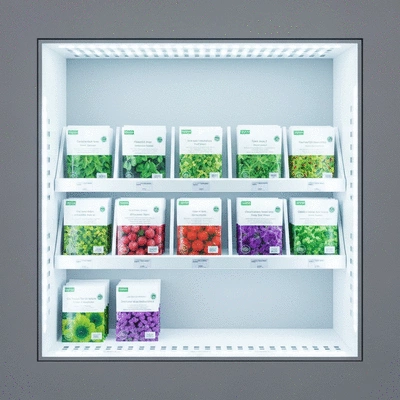
Final content section.
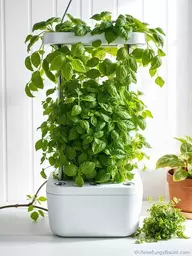 Why settle for store-bought herbs when you can grow your own at home, in any space? Hydroponic garde
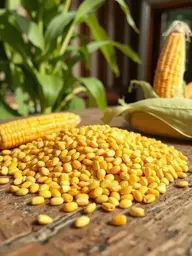 Ready to transform your gardening experience? Selecting the right sweet corn seeds can make all the
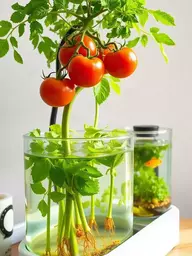 Imagine harvesting juicy, flavorful tomatoes while actively contributing to sustainable agriculture.
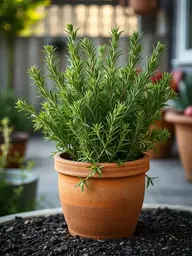 What if I told you that the secret to growing robust rosemary lies in the soil beneath your feet? Un
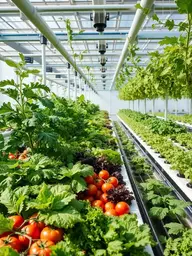 Have you ever wondered how innovative techniques in gardening can reshape our food production? Hydro
 As you prepare to embark on your journey of growing garlic, consider this: garlic cultivation isn't