Environmental Factors Contributing to Disease
- Overwatering weakens grass
- Poor drainage leads to root rot
- High humidity fosters fungal growth
- Insufficient sunlight in shady areas
Join Clara M. Greene's community for expert tips and seasonal guides tailored for American gardeners.
Posted on: 2026-03-01
By: Clara M. Greene
Did you know that understanding lawn diseases can drastically improve the health of your garden? Knowing how to identify and manage these issues not only enhances your lawn's appearance but also contributes to a healthier ecosystem. Let's explore the essential lessons from the article!
Delve into the key aspects of lawn diseases, from contributing factors to effective organic solutions, to maintain a healthy and vibrant lawn. For those just starting out, learning about organic gardening tips for beginners can provide a solid foundation for preventing many common lawn issues.
As a passionate gardener, I know that maintaining a lush, green lawn can sometimes feel like a battle against the elements. One of the biggest challenges lawn owners face is dealing with common lawn diseases. Understanding these diseases and their impact on your grass health is essential for keeping your lawn thriving. Let's dive into it!
Many lawn diseases can plague our beloved grass. Here’s a quick list of some of the most common ones you'll want to keep an eye out for:
These diseases can spread quickly if not addressed, so early identification is key! Having a healthy lawn is not just about aesthetics; it’s also about supporting the environment. To ensure your lawn is as healthy as possible, consider adopting spring lawn care essentials to give it the best start to the growing season.
The impact of lawn diseases goes beyond just unsightly patches. Affected grass can suffer from reduced nutrient absorption, leading to weak growth and increased vulnerability to pests. This can create a vicious cycle where the lawn’s health deteriorates, making it more susceptible to further diseases.
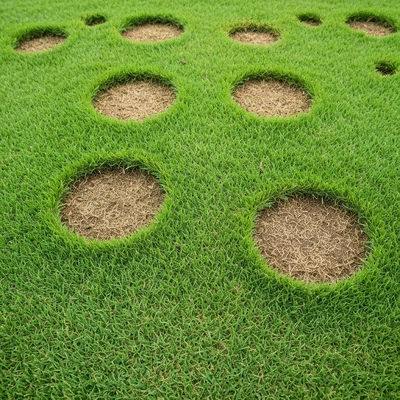
Visually, lawn diseases can turn vibrant green lawns into splotchy, dull spaces. This not only affects the tranquility of your outdoor space but can also impact your property’s curb appeal! Remember, a well-maintained lawn can be a source of pride, so understanding how to combat these diseases is crucial.
In the world of gardening, knowledge is power! To tackle lawn diseases effectively, we must first learn how to identify them. Here are some key pointers to help you recognize the signs:
Taking note of visual symptoms can lead to early intervention. Here’s a list of signs that might signal a problem:
By being observant, you can nip potential issues in the bud before they escalate!
Many factors can contribute to the development of lawn diseases, including improper watering practices, poor soil health, and even climatic conditions. Here are some environmental factors to consider:
Understanding these factors can help you create a more resilient lawn. Remember, maintaining a healthy environment is key to preventing issues down the line!
Fungal infections are among the most common lawn diseases, and recognizing them early is vital. Look for white, gray, or black fungal growth on grass blades, and pay attention to any soft, mushy spots that might develop. These infections thrive in warm, humid conditions, so being proactive is essential!
Using a magnifying glass can also help you identify tiny fungal spores or mycelium. If you suspect a fungal infection, don’t worry! With the right organic treatments, you can often restore your lawn's health.
We want to hear your thoughts! What strategies have you found most effective in managing lawn diseases? Share your experiences with us:
A1: The most common lawn diseases include Brown Patch, Dollar Spot, Powdery Mildew, Leaf Spot, and Rust Disease. Each has distinct visual symptoms and environmental triggers.
A2: Look for visual signs such as discoloration (yellow, brown, gray), wilting grass blades, irregular spots or patches, and visible fungal growth or mycelium on the grass surface. Early detection is crucial for effective treatment.
A3: Key environmental factors include overwatering, which weakens grass; poor drainage, which leads to root rot; high humidity, which fosters fungal growth; and insufficient sunlight in shady areas, making them prone to disease.
A4: Effective organic strategies include recognizing visual signs early, understanding environmental triggers, implementing tailored organic treatments, utilizing sustainable practices like composting, and choosing native plants. Natural pest control methods like neem oil and beneficial insects are also very helpful.
A5: Early identification allows for quicker intervention, preventing the disease from spreading and causing more extensive damage. It helps maintain the health and aesthetic appeal of your lawn, stopping a vicious cycle of deterioration.
As we wrap up our discussion on lawn disease management, let’s take a moment to reflect on the key organic strategies we've explored. Understanding the symptoms of lawn diseases and their environmental triggers is essential for maintaining a healthy lawn. By recognizing these signs early, you can take proactive steps to manage your lawn effectively.
Here's a quick recap of the essential points we've covered:
By following these strategies, you set the stage for a thriving lawn that not only looks beautiful but also contributes to a healthy ecosystem!
At All American Gardeners, we believe in nurturing our gardens with sustainability in mind! Embracing organic practices not only benefits your lawn but also the environment around it. By opting for natural solutions, you're reducing chemical runoff and promoting a healthier habitat for beneficial insects and wildlife.
Consider these sustainable practices as you care for your lawn:
Each small step contributes to a larger impact, making your lawn a vibrant part of your community.
Finally, let’s talk about the power of natural pest control! Utilizing biological solutions can effectively manage pests while keeping your lawn healthy. By introducing beneficial insects, like ladybugs or lacewings, you can naturally curb pest populations.
Here’s a list of effective biological solutions to consider:
These methods not only protect your lawn but also enhance its health sustainably. For further reading on pest control, explore our guide on effective plant care tips for home gardeners.
We’d love to hear from you! What challenges have you faced with lawn diseases? Sharing your experiences and solutions can empower fellow gardeners and help create a supportive community. Whether it's a specific organic treatment that worked wonders or a strategy that didn’t quite pan out, your insights can make a difference! To enhance your gardening skills, consider learning more about choosing the right gardening seeds, as healthy plants are more resistant to disease.
Ready to dive deeper into organic lawn care? I invite you to explore the resources available at All American Gardeners. From comprehensive guides to practical tips, we have a wealth of information designed to help you cultivate a thriving, disease-resistant lawn. Let’s grow together and make our lawns the best they can be!
Here is a quick recap of the important points discussed in the article: