1. Enhance Lawn Density & Color
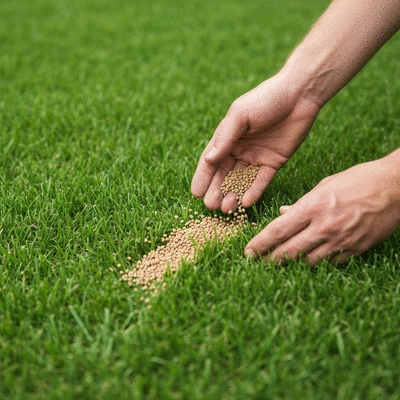
Fills bare patches and promotes thicker growth, giving a vibrant appearance.
- Introduces new grass varieties.
- Fills thin spots for uniformity.
- Enhances color for a lush look.
Join Clara M. Greene's community for expert tips and seasonal guides tailored for American gardeners.
Posted on: 2026-03-26
By: Clara M. Greene
Have you ever wondered how to turn your lawn into a vibrant green oasis? The secret might just lie in a practice known as overseeding. This article unveils the myriad benefits of this gardening technique that not only enhances the beauty of your yard but also improves its health. Let's dig deeper into what you'll learn!
Transform your outdoor space into a lush, green paradise by understanding the key benefits of overseeding.
Fills bare patches and promotes thicker growth, giving a vibrant appearance.
Thicker grass crowds out weeds, reducing their ability to sprout and thrive.
New varieties tolerate dry conditions, ensuring your lawn withstands low rainfall.
Select specific varieties tailored to your climate and soil for maximum success.
Overseeding your lawn isn't just a quick fix; it's a powerful practice that can transform your outdoor space into a lush, green paradise! As someone who loves to get their hands dirty in the garden, I can’t stress enough how overseeding can improve both the health and appearance of your lawn. Let’s dive into the key benefits that make overseeding a must-do for every homeowner looking to enhance their yard.
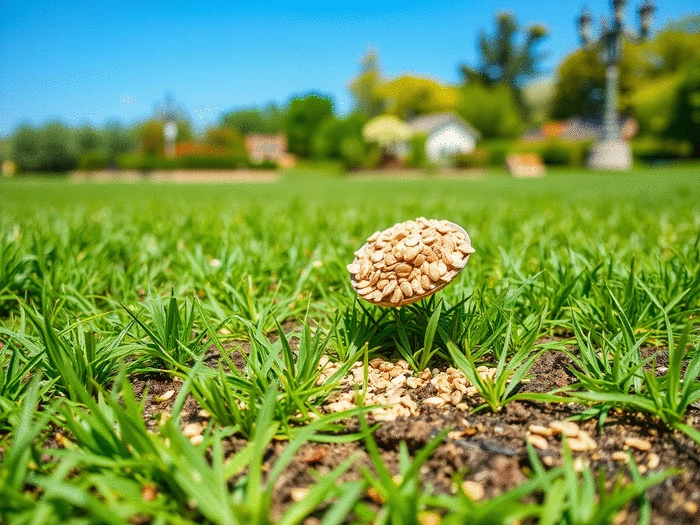
First and foremost, overseeding helps enhance lawn density and color. By introducing new seeds to existing grass, you fill in bare patches and promote thicker, fuller growth. This not only gives your lawn a vibrant appearance but also means less room for weeds to take root! For more tips on maintaining a healthy yard, check out our spring lawn care essentials checklist.
One of the main reasons to consider overseeding is its ability to improve the overall density and color of your lawn. A denser lawn means a better defense against weeds, as they have less space to grow. Moreover, a lush green lawn is always a welcoming sight! When you overseed, you can:
By regularly overseeding, you can maintain that rich, green appearance year after year. It’s like giving your lawn a refreshing makeover!
Weeds can be a gardener’s worst nightmare, stealing nutrients and space from our beloved grass. The good news is that overseeding can help combat this issue. When you introduce new seeds, you increase competition for resources, making it harder for weeds to thrive. Here’s how effective overseeding contributes to weed control:
By focusing on overseeding as a proactive strategy, we can create a healthier lawn ecosystem that minimizes weed growth naturally.
In today’s world, with changing weather patterns, a resilient lawn is essential. Overseeding not only boosts your lawn's appearance but also improves its drought resistance. By introducing newer grass varieties that are more tolerant to dry conditions, you ensure that your lawn can withstand periods of low rainfall. Here are some benefits:
With a strong and adaptable lawn, you can enjoy a beautiful yard without the constant worry about water usage!
Choosing the right grass type for overseeding is essential for maximizing its benefits. Different climates and soil types require specific grass varieties to thrive. At All American Gardeners, we always recommend doing a bit of research to find the best fit for your yard. Here are some popular grass types to consider:
By selecting the appropriate grass varieties tailored to your specific climate, you can ensure successful overseeding that leads to a thriving lawn. Remember, the right choice makes all the difference! To explore suitable options, consider our guide on grass types for US climate zones.
Have you ever tried overseeding your lawn? What results did you notice? Share your experiences or any tips you've learned along the way!
A: Overseeding is the process of spreading new grass seeds over an existing lawn to improve its density, color, and overall health, filling in bare patches and promoting thicker growth.
A: A denser lawn created by overseeding makes it harder for weeds to sprout and thrive by increasing competition for resources. Thicker grass literally crowds out weeds.
A: Yes, by introducing newer grass varieties that are more tolerant to dry conditions, overseeding can significantly improve your lawn's ability to withstand periods of low rainfall and increase its overall resilience.
A: Choosing the right grass type depends on your local climate and soil conditions. Popular options include Perennial Ryegrass for cool seasons, Bermudagrass for warm climates, and Tall Fescue for its deep roots and adaptability.
A: Post-overseeding care is crucial, especially consistent watering and proper fertilization. Keep the soil consistently moist for the first few weeks, and apply a slow-release fertilizer about 4-6 weeks after sowing to nourish the new grass.
Now that you've successfully overseeded your lawn, it’s time to focus on maintenance to ensure your hard work pays off! Proper care in the weeks following overseeding is crucial for establishing a dense and vibrant lawn. Watering and fertilization are two key components that can make all the difference in your lawn's health.
In this section, I’ll share my favorite techniques and tips that I’ve gathered from years of experience with All American Gardeners. Let’s dive in and get your lawn flourishing!
After overseeding, your new grass seeds need moisture to germinate and thrive. During the initial weeks, keep the soil consistently moist without overwatering. I recommend watering lightly every day for the first couple of weeks to help those seeds establish themselves.
Once your grass reaches about 3 inches in height, you can reduce watering frequency. Next, let’s talk about fertilization. Choosing the right lawn fertilizers is essential for healthy growth.
Applying fertilizer after overseeding can provide the nutrients your young grass needs to develop strong roots and lush blades. Here’s what I suggest:
Applying fertilizer about 4-6 weeks after sowing will help your lawn thrive without overwhelming it right away. Trust me, your future self will appreciate the extra care!
As your overseeded grass grows, regular mowing becomes essential. Mowing not only keeps your lawn looking neat but also encourages denser growth. When it comes to mowing, remember these tips:
Incorporate these practices into your lawn maintenance routine, and you’ll set yourself up for long-term success! For more detailed guidance, explore our mowing tips for healthy turf.
Understanding the growth stages of your lawn can greatly enhance your maintenance efforts. Grass typically goes through three stages: establishment, development, and maturity. Here’s a quick overview:
By tuning into these growth stages, you can give your lawn tailored care that promotes its health and resilience. Your ongoing attention and care will ensure your overseeded lawn remains vibrant and lush!
Here is a quick recap of the important points discussed in the article: