Have you ever wondered why some lawns flourish while others struggle to thrive? The secret often lies beneath the surface—specifically, in the health of the soil and the roots. Lawn aeration is a simple yet transformative practice that can elevate your grass's vitality. Let’s explore the crucial insights you’ll gain about this essential gardening technique!
Better Water Absorption: Aerating your lawn significantly improves its ability to absorb water, leading to healthier grass growth.
Identification of Aeration Needs: Recognize signs such as compacted soil and sparse grass to determine when your lawn needs aeration.
DIY vs. Professional Aeration: Understand the pros and cons of aerating your lawn yourself versus hiring a professional service.
Common Aeration Challenges: Learn about moisture levels and timing to ensure effective aeration results.
Myths Debunked: Clarify misconceptions about aeration, such as its necessity for only unhealthy lawns.
Lawn Aeration: DIY vs. Professional Service Comparison
Deciding between DIY and professional lawn aeration involves weighing costs, effort, and desired outcomes. This comparison highlights key factors to help you choose the best approach for your lawn. For those just starting their gardening journey, understanding these foundational techniques is as important as having the right essential tools for new gardeners.
Cost Comparison: DIY vs. Professional Aeration
DIY Aeration
Equipment Rental: $30 - $100
Equipment Purchase: Up to $500
Time Investment: High
Expertise: Self-taught
Cost-effective for smaller lawns, requires personal effort.
Professional Service
Service Fee: $75 - $200
Equipment: Provided
Time Investment: Low
Expertise: Provided by professionals
Convenient for larger lawns or complex issues, higher upfront cost.
Aeration Timing & Moisture Levels
Optimal Conditions
Time of Year: Spring or Fall
Soil Moisture: Moist, not soggy
Preparation: Water lightly 1-2 days prior
Ensures soil perforates easily and effectively.
Conditions to Avoid
Time of Year: Summer (too stressful for grass)
Soil Moisture: Too dry (ineffective), too soggy (messy)
Weather: Heavy rain (complicates process)
Prevents damage to lawn and inefficient aeration.
Understanding Lawn Aeration: Why It Matters for Your Grass Health
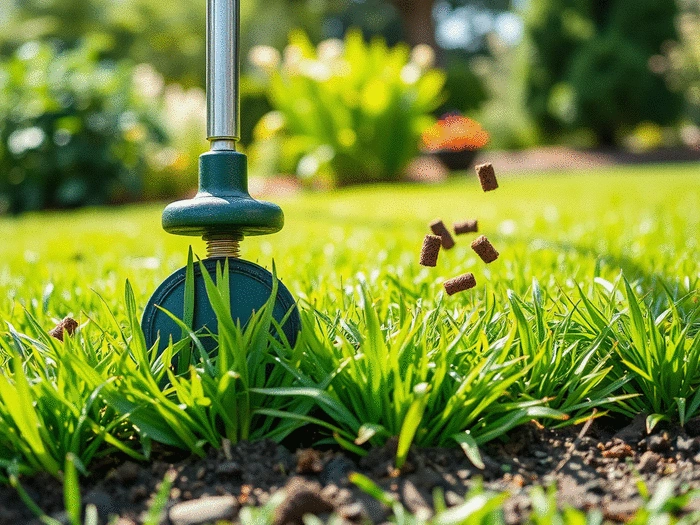
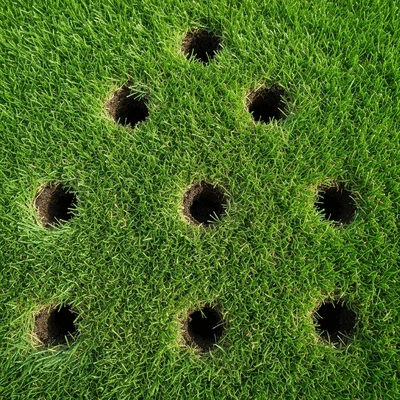
As a passionate gardener, I can tell you that lawn aeration is essential for maintaining a healthy and vibrant lawn. This process involves perforating the soil with holes to allow air, water, and nutrients to penetrate deep into the grass roots. Healthy roots mean a flourishing lawn, and that’s what we all want, right? Let’s dive into the benefits of lawn aeration and see why it matters!
Benefits of Lawn Aeration for Soil and Grass
Lawn aeration provides numerous benefits that can significantly enhance the quality of your grass. Here are some key advantages:
Improves Soil Structure: Aeration helps break up compacted soil, allowing roots to access vital nutrients.
Enhances Water Absorption: When soil is aerated, it can absorb water more effectively, reducing runoff and promoting deeper root growth.
Stimulates Root Growth: The process encourages the development of new roots, which leads to a thicker and healthier lawn.
Reduces Thatch Build-Up: Aeration helps manage thatch, a layer of dead grass and roots that can suffocate your lawn.
By aerating your lawn, you’re essentially giving it a breath of fresh air! It’s a simple yet powerful way to boost the overall health of your grass.
Signs Your Lawn Needs Aeration
How do you know when it’s time to aerate your lawn? Look out for these common signs:
Visible Soil Compaction: If the ground feels hard underfoot and water pools on the surface, it’s time to aerate.
Thin or Sparse Grass: If your lawn looks patchy or unhealthy, aeration may help revitalize it.
Excessive Thatch: If you can’t easily poke your fingers into the soil, thatch build-up might be an issue.
Frequent Watering Needed: If you find yourself watering often due to poor water absorption, aeration could improve moisture retention.
Recognizing these signs early can help you maintain a lush lawn that thrives throughout the growing season!
Impact of Soil Compaction on Lawn Health
Soil compaction is one of the biggest threats to a vibrant lawn. When soil particles are tightly packed, it restricts root growth and limits the movement of air, water, and nutrients. Here’s how soil compaction impacts your lawn:
Weak Root Systems: Compacted soil leads to shallow roots, making your lawn more susceptible to drought and stress.
Increased Weeds: A stressed lawn can invite weeds to take over, as they often thrive in compromised conditions.
Reduced Nutrient Availability: Nutrient absorption is hindered, leading to poor grass health and growth.
By addressing soil compaction through aeration, you create an environment that encourages strong growth and resilience. Remember, a happy lawn starts with healthy soil! To further ensure your lawn's vitality, consider learning more about spring lawn care essentials.
Pro Tip
Did you know? Aerating your lawn during the right season can maximize its effectiveness! For most lawns, the ideal times to aerate are in early spring or fall when the grass is actively growing. This ensures that your lawn can recover quickly and take full advantage of the benefits of aeration.
Evaluating DIY vs. Professional Lawn Aeration Services
When it comes to lawn aeration, one of the first decisions you'll face is whether to do it yourself or hire a professional service. Each option has its own set of advantages and potential drawbacks. Let’s explore both choices to help you make the best decision for your lawn!
Cost Comparisons: DIY Aeration vs. Hiring a Professional
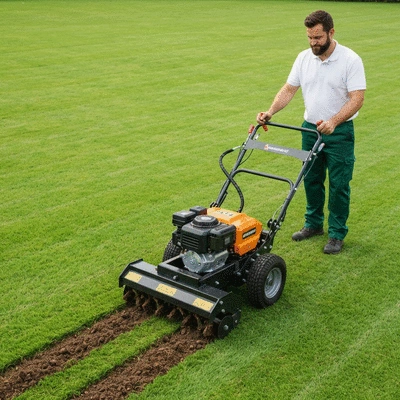
Cost is often a deciding factor. If you're considering DIY aeration, you'll need to factor in the price of renting or purchasing equipment. A core aerator can cost between $30 to $100 for rental or up to $500 for a purchase. Meanwhile, professional aeration services typically range from $75 to $200, depending on the lawn size.
DIY Aeration: Equipment rental/purchase costs, and your time.
Professional Services: Service fees and potential for expert advice.
Evaluate the size of your lawn to determine the most cost-effective option.
Ultimately, your budget and willingness to invest time will guide your choice. Keep in mind that a well-aerated lawn can save money on water and fertilizer in the long run!
When to Consider Professional Help for Aeration
Sometimes, it’s best to leave lawn care to the experts! Consider hiring a professional for aeration if:
Your lawn is larger than you can manage comfortably.
You lack the necessary equipment or access to rental services.
Your soil is heavily compacted and requires specialized techniques.
Professional services often come with expertise that can ensure effective aeration, which is particularly beneficial if you're struggling with lawn health. With my experience, I've seen firsthand how a professional touch can transform a tired lawn into a vibrant green oasis! Understanding different grass types for US climate zones can also help in deciding the best aeration approach.
Benefits of DIY Lawn Care: Tools and Techniques
Taking the DIY route can be incredibly rewarding. Not only do you save on costs, but you also gain valuable hands-on experience! Here are some tools you might consider for DIY aeration:
Core Aerator: Removes plugs of soil, allowing for better air and nutrient penetration.
Spike Aerator: Simply pokes holes in the soil, suitable for less compacted lawns.
Rake: Helps spread out soil plugs or debris post-aeration.
By learning to aerate your lawn yourself, you’re not only saving money but also deepening your connection with your garden. After all, there’s a great sense of accomplishment in nurturing your own outdoor space!
Addressing Common Challenges in Lawn Aeration
Even seasoned gardeners encounter challenges with lawn aeration! Here’s how to troubleshoot common problems.
Troubleshooting Aeration Problems: Moisture Levels and Timing
One of the most critical factors for successful aeration is timing, particularly concerning soil moisture. If your soil is too dry, aeration can become ineffective. Here’s how to check and adjust:
Conduct a simple soil test: Grab a handful of soil and squeeze it. If it crumbles easily, it’s too dry!
Water your lawn lightly a day or two before aerating to achieve optimal moisture levels.
Aerate when the soil is moist but not soggy for the best results.
Keep these tips in mind to ensure your aeration process goes smoothly!
Frequently Asked Questions About Lawn Aeration
As you embark on your aeration journey, you may have questions. Here are a few common ones I often hear:
How often should I aerate my lawn? Typically, once a year is adequate for most lawns.
Can I aerate my lawn in the summer? It’s not recommended; spring or fall is preferred.
What should I do with the soil plugs? Leave them on the lawn—they'll break down and provide nutrients!
These FAQs are a great starting point to demystify the aeration process!
Myths and Misconceptions About Lawn Aeration
Lastly, let's tackle some common myths. Understanding the truth about lawn aeration can help you make informed decisions!
Myth: Aeration is only for unhealthy lawns. Truth: Even healthy lawns benefit from regular aeration!
Myth: Spike aerators are just as effective as core aerators. Truth: Core aerators are generally more beneficial for compacted soils.
Myth: You should not aerate if it’s raining. Truth: A little moisture can help, but heavy rain can complicate the process.
By debunking these myths, I hope to empower you to embrace the aeration process confidently! For further reading on maintaining a pristine lawn, check out these mowing tips for healthy turf.
Recap of Key Points
Here is a quick recap of the important points discussed in the article:
Lawn Aeration Benefits: Improves soil structure, enhances water absorption, stimulates root growth, and reduces thatch build-up.
Signs of Compaction: Look for hard soil, sparse grass, excessive thatch, and frequent watering needs as indicators for aeration.
DIY vs. Professional: Evaluate costs and lawn size when choosing between DIY aeration or hiring a professional service.
Timing and Moisture: Aerate when the soil is moist but not soggy for optimal results.
Common Myths: Aeration benefits healthy lawns too, and core aerators are more effective than spike aerators.
Subscribe & Share
2026-08-28
Growing Herbs with Hydroponics
Why settle for store-bought herbs when you can grow your own at home, in any space? Hydroponic garde
2026-08-27
Growing Sweet Corn from Seeds
Ready to transform your gardening experience? Selecting the right sweet corn seeds can make all the
Growing Your Own Garlic Bulbs
As you prepare to embark on your journey of growing garlic, consider this: garlic cultivation isn't
All American Gardeners
Your premier online resource for mastering home gardening across the U.S. We empower American home gardeners with expert tips, step-by-step guides, and sustainable practices for thriving outdoor spaces.
Trusted by gardeners nationwide, our mission is to provide reliable, easy-to-follow insights backed by Clara M. Greene's extensive horticulture experience and practical advice.