Cultivate Your Best Garden!

Join Clara M. Greene's community for expert tips and seasonal guides tailored for American gardeners.

Organic Weed Killers for Edible Gardens


Organic Weed Killers for Edible Gardens

Posted on: 2026-03-19
By: Clara M. Greene


What if the secret to a thriving garden lies not in harsh chemicals but in the natural world around us? Exploring organic weed killers might just reveal the eco-friendly solutions your garden has been missing.

What You Will Learn

  • Derived from Natural Sources: Organic weed killers utilize ingredients like vinegar and essential oils to effectively combat weeds.
  • Safe for Edibles: These solutions ensure that your fruits and vegetables remain free from harmful chemicals.
  • Healthier Gardening: Organic options protect soil health and beneficial microorganisms, promoting a more vibrant garden.
  • Importance of Certification: Always check for organic certification to ensure product safety and quality.
  • Long-Term Sustainability: Choosing organic weed killers supports a healthier ecosystem for future generations.
  • Managing Soil Health: Organic practices help maintain soil quality, improving structure and reducing chemical residues.
  • Addressing Salt Buildup: Regular soil testing and proper watering practices can help manage any salt accumulation from organic treatments.

Organic vs. Chemical Weed Killers: A Comparison of Impact

This visual highlights the key differences and long-term considerations when choosing between organic and chemical weed killers for your garden.

Organic Weed Killers: Benefits & Impact

  • Derived from natural sources
  • Safer for edible plants
  • Environmentally friendly, protects pollinators & soil microbes
  • Contributes to long-term soil health
Healthier Garden & Planet

Chemical Herbicides: Risks & Drawbacks

  • Contain synthetic chemicals
  • Potential risks to edibles
  • Harmful to beneficial insects & soil health
  • Can lead to chemical residues in soil & water
Risks to Ecosystem & Health

Understanding Organic Weed Killers for Safe Gardening

As a dedicated gardener, I know how important it is to maintain a healthy garden without relying on harsh chemicals. That's where organic weed killers come into play! These products not only help you tackle pesky weeds but also ensure the safety of your edible plants and the environment. Let's explore what organic weed killers are and why they're a fantastic choice for all gardeners. To further enhance your gardening knowledge, consider exploring organic gardening tips for beginners.

What Are Organic Weed Killers?

Organic weed killers are natural products designed to eliminate unwanted weeds without the use of synthetic chemicals. They rely on ingredients derived from plants, minerals, or other naturally occurring substances. Some common examples include vinegar, salt, and essential oils. By using organic solutions, we can effectively manage weeds while remaining in harmony with nature!

  • Derived from Natural Sources: Organic weed killers are made from ingredients like vinegar, corn gluten meal, and essential oils.
  • Safe for Edibles: They are generally safe to use around edible plants, ensuring that your fruits and vegetables remain chemical-free.
  • Environmentally Friendly: These products help protect beneficial insects and soil health, promoting a sustainable gardening ecosystem.

With these benefits in mind, it's clear that organic weed killers can be a gardener's best friend! They provide an effective way to keep our gardens beautiful and productive without compromising safety.

Person applying organic weed killer in a lush garden

Why Choose Organic Over Chemical Herbicides?

Choosing organic weed killers over traditional chemical herbicides can significantly impact not only your garden but also the larger ecosystem. Many chemical solutions contain harmful ingredients that can leach into the soil and waterways, posing risks to wildlife and human health. Organic options, on the other hand, are much safer and often just as effective! For more insights into natural pest control, check out natural pest control for gardens.

  • Healthier Garden: Organic weed killers protect your plants and soil from toxic residues.
  • Protecting Pollinators: Using organic products helps safeguard bees and other beneficial insects.
  • Long-Term Sustainability: They contribute to a healthier environment, allowing future generations to enjoy gardening.

By opting for organic solutions, you're not just caring for your garden; you're investing in a healthier planet for all living beings!

The Role of Organic Certification in Choosing Safe Products

When selecting organic weed killers, it's essential to look for products that are certified organic. This certification ensures that the product meets strict standards set by organizations like the USDA. As a gardener, I always check for this certification to guarantee that the products I use align with my commitment to sustainable gardening.

  • Quality Assurance: Organic certification indicates that the ingredients are sourced responsibly.
  • Transparency: Certified products come with clear labeling, making it easy to understand what you're applying.
  • Consumer Confidence: Knowing a product is certified allows you to use it with peace of mind around your family and pets.

Remember, not all products labeled as "organic" are created equal. Always check for certification to ensure you're making the right choice for your garden and the environment!

We Want to Hear From You!

What organic weed control methods have you tried in your garden? Share your experiences and tips below:

Frequently Asked Questions About Organic Weed Killers

Q1: What are organic weed killers made from?

A1: Organic weed killers are made from natural ingredients such as vinegar, salt, essential oils, and corn gluten meal, avoiding synthetic chemicals.

Q2: Are organic weed killers safe to use around edible plants?

A2: Yes, they are generally safe to use around edible plants, ensuring that your fruits and vegetables remain free from harmful chemical residues.

Q3: Why should I choose organic weed killers over chemical herbicides?

A3: Organic weed killers are environmentally friendly, protect beneficial insects and soil health, and prevent harmful chemical residues from leaching into the soil and waterways, contributing to long-term sustainability.

Q4: How important is organic certification when buying weed killers?

A4: Organic certification is crucial as it ensures the product meets strict standards for ingredient sourcing and safety, providing quality assurance and consumer confidence.

Q5: How do organic weed killers affect soil health?

A5: Organic weed killers contribute positively to soil health by preserving microbial activity, reducing chemical residues, and encouraging improved soil structure, leading to better water retention and aeration.

Q6: Can organic weed killers cause salt buildup in the soil?

A6: Yes, products containing salt or vinegar can lead to salt buildup. It's important to manage this through regular soil testing, adequate watering, and incorporating organic matter like compost.

Long-Term Considerations and Soil Health

When we think about gardening, it’s easy to focus on the visible results—the vibrant colors of blooming flowers or the lush greens of our vegetables. But what’s happening beneath the surface is just as crucial for a thriving garden! Understanding the impact of organic weed killers on soil quality can help us make better choices for our gardens and the environment.

Organic weed killers, unlike their chemical counterparts, are designed to minimize harm to the ecosystem. For instance, using vinegar or essential oils not only targets weeds but also maintains the beneficial microorganisms in the soil. These microorganisms are essential for breaking down organic matter and promoting healthy plant growth. Remember, healthy soil is the foundation of a beautiful garden!

Impact of Organic Weed Killers on Soil Quality

As home gardeners, we want to ensure that our choices lead to sustainable gardening. Organic weed killers often contribute positively to soil health. Here are a few ways they impact soil quality:

  • Preservation of Microbial Activity: Organic weed killers can help maintain the delicate balance of microorganisms necessary for nutrient cycling. Healthy soil for thriving gardens is key to a flourishing ecosystem.
  • Reduction of Chemical Residues: By avoiding synthetic herbicides, we reduce the risk of harmful residues that can disrupt soil health over time.
  • Improved Soil Structure: Many organic weed control methods encourage improved soil structure, leading to better water retention and aeration.

Over time, these benefits will help you cultivate a more resilient garden ecosystem. And let's not forget, the health of your soil directly impacts the quality of the plants you grow!

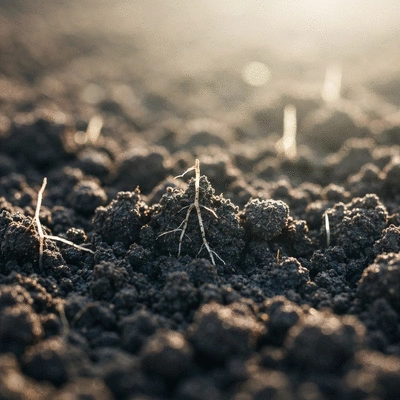
Close-up of healthy garden soil with visible microorganisms and roots

Managing Salt Buildup and Other Residuals

While organic weed killers are generally safer, it’s important to manage any potential salt buildup, especially when using products like vinegar and salt mixtures. Salt can accumulate in the soil and lead to adverse effects on plant growth.

  • Regular Soil Testing: Conducting soil tests helps identify any buildup of salts and adjust your gardening practices accordingly.
  • Watering Practices: Watering your garden adequately can help leach excess salts from the soil.
  • Incorporate Organic Matter: Adding compost or other organic materials can help mitigate salt issues while enhancing soil health.

By being proactive about salt management, you can ensure that your garden remains a thriving, productive space. After all, we want our edible gardens to provide us with the best possible yield!

Healthy Soil Practices: Enhancing Soil Amendments for Sustainable Gardening

At All American Gardeners, we believe that healthy soil is the cornerstone of sustainable gardening. Implementing effective soil amendments can make a big difference in your garden’s productivity. Here are a few practices that can enhance soil health:

  • Composting: Creating your own compost helps recycle nutrients and improve soil texture.
  • Crop Rotation: Changing the types of plants grown in your garden each season helps prevent nutrient depletion.
  • Mulching: Using organic mulches protects soil from erosion, conserves moisture, and adds nutrients as it breaks down.

When we focus on building healthy soil, we’re not just nurturing our gardens—we’re investing in our planet’s future! Remember, a thriving garden starts from the ground up, so let’s work together to enhance our soil health for years to come.

Recap of Key Points

Here is a quick recap of the important points discussed in the article:

  • Natural Ingredients: Organic weed killers are made from natural sources like vinegar, salt, and essential oils, making them safe for your garden.
  • Environmental Safety: They help protect beneficial insects and maintain soil health, contributing to a sustainable ecosystem.
  • Healthier Choices: Opting for organic products prevents harmful chemical residues in your garden and supports pollinator populations.
  • Check for Certification: Always look for certified organic products to ensure quality and safety for your garden.
  • Soil Health: Organic weed killers improve soil quality by preserving microbial activity and reducing chemical residues.
  • Manage Salt Buildup: Be proactive about managing salt from products like vinegar to ensure healthy plant growth.
  • Healthy Soil Practices: Employ practices such as composting, crop rotation, and mulching to enhance soil health and productivity.

Subscribe & Share
Building Your Vego Garden Beds Building Your Vego Garden Beds Have you ever thought about how your gardening choices impact both your plants and the environment?
Heat-Tolerant Plants for Southern Summers Heat-Tolerant Plants for Southern Summers As you prepare to cultivate your garden under the intense southern sun, consider this: the right str
Essential Tools for Drought Gardens Essential Tools for Drought Gardens What if I told you that the right watering tools could not only save you time but also help you save
Regional Organic Gardening Planting Guide Regional Organic Gardening Planting Guide In the world of organic gardening, timing can mean the difference between a flourishing garden and a
Plants That Keep Mosquitoes Away Plants That Keep Mosquitoes Away As the weather warms up, our outdoor spaces become targets for pesky mosquitoes. But what if you cou
Growing Onion Seeds at Home Growing Onion Seeds at Home Did you know that starting your garden with onion seeds can significantly enhance your culinary expe
Banner
All American Gardeners

Your premier online resource for mastering home gardening across the U.S. We empower American home gardeners with expert tips, step-by-step guides, and sustainable practices for thriving outdoor spaces.

Trusted by gardeners nationwide, our mission is to provide reliable, easy-to-follow insights backed by Clara M. Greene's extensive horticulture experience and practical advice.

Cultivate Your Garden
Recent Posts
Building Your Vego Garden Beds Building Your Vego Garden Beds

Have you ever thought about how your gardening cho

Heat-Tolerant Plants for Southern Summers Heat-Tolerant Plants for Southern Summers

As you prepare to cultivate your garden under the

Essential Tools for Drought Gardens Essential Tools for Drought Gardens

What if I told you that the right watering tools c

Gardening Wisdom from All American Gardeners