In the world of organic gardening, timing can mean the difference between a flourishing garden and a failed harvest. Understanding your regional planting calendar is crucial for maximizing growth and yields. Ready to dig in? Let’s explore key insights that will elevate your gardening game!
What You Will Learn
Timing is crucial; planting too early or too late can adversely affect plant growth and yield.
Regional climate factors, such as temperature and sunlight, directly influence planting schedules.
Utilizing the USDA Plant Hardiness Zone Map helps you choose the right plants for your area.
Creating a personalized gardening calendar based on local conditions can optimize your gardening efforts.
Engaging with local gardening communities and resources enhances your gardening knowledge and success.
Regional Factors in Organic Gardening
Successful organic gardening heavily relies on understanding and adapting to regional climate variations. Factors such as temperature, rainfall, and sunlight duration play a pivotal role in plant growth and overall garden health. For more detailed insights into what thrives in your area, be sure to discover your USDA planting zone.
Understanding Regional Influences on Planting Schedules
Temperature Fluctuations🌡️
Rainfall Patterns🌧️
Sunlight Duration☀️
USDA Hardiness Zone Impact
Zone 1: Coldest; ideal for hardy perennials.
Zone 5: Suitable for a variety of vegetables and fruits.
Zone 10: Warm climates perfect for tropical plants.
Timing Impact on Gardening Outcomes
Too Early: Frost damage to seedlings.
Too Late: Reduced yields due to shorter growing seasons.
Proper Timing: Helps manage pests, ensures vigor.
Understanding Organic Gardening Calendars by U.S. Region
Timing is everything in the world of organic gardening! Understanding when to plant is crucial for ensuring that your garden yields the best results possible. At All American Gardeners, we believe that every gardener can benefit from a well-structured planting calendar tailored to their specific region. Let’s explore why timing is important and how you can develop a planting schedule that aligns with your local climate.
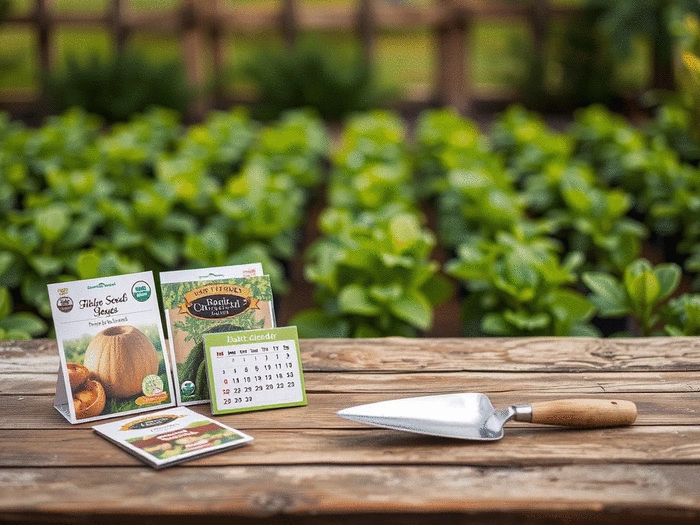
Organic gardening calendars help you identify the optimal times for planting, transplanting, and harvesting your crops. This knowledge is essential for maximizing growth and effectiveness in your garden. When you plan your gardening activities according to a calendar, you'll be more in tune with nature and able to respond to the unique needs of your plants.
The Importance of Timing in Organic Gardening
Timing not only affects plant growth but also impacts pest management and soil health. By following a well-defined schedule, you can avoid the pitfalls of planting too early or late in the season. Have you ever noticed how some plants thrive while others barely make it? This often comes down to when they were planted! For more tips on nurturing your plants, check out our plant care tips for home gardeners.
Planting too early can expose seedlings to frost damage.
Late planting may result in reduced yields due to shorter growing seasons.
Proper timing helps in managing pests by ensuring plants are healthy and vigorous.
At All American Gardeners, we've seen how effective timing can transform a struggling garden into a flourishing paradise. Embracing the right planting times helps ensure healthy plants that can withstand diseases and pests!
How Regional Factors Influence Planting Schedules
Every region in the U.S. has its own unique climate, which directly influences the types of plants that can thrive and the timing for planting them. For instance, gardeners in Florida will have a completely different experience compared to those in Montana. Understanding these regional factors is key to success in organic gardening.
Temperature fluctuations affect seed germination rates.
Rainfall patterns determine watering needs and soil moisture.
Sunlight duration can dictate which crops will flourish.
By considering these factors, you can create a personalized gardening calendar that reflects the specific needs of your plants based on your location. Don't hesitate to reach out to your fellow gardeners in your area for insights that can help you align with local practices!
Utilizing the USDA Plant Hardiness Zone Map for Effective Gardening
The USDA Plant Hardiness Zone Map is an invaluable tool for every gardener. It divides the country into zones based on climate, allowing gardeners to choose plants that are best suited for their area's temperature extremes. You can find your zone by visiting the USDA website and entering your zip code!
Zone 1: Coldest; ideal for hardy perennials.
Zone 5: Suitable for a variety of vegetables and fruits.
Zone 10: Warm climates perfect for tropical plants.
Knowing your zone not only helps you select the right plants but also guides your planting schedule to avoid common pitfalls. Always keep this map handy as you plan your organic garden journey!
Interactive Poll: Share Your Thoughts!
As you consider the best practices for organic gardening, we’d love to hear from you! What do you find most challenging when creating your personalized gardening calendar?
Bringing It All Together: Your Personalized Organic Gardening Calendar
Creating your own personalized organic gardening calendar is an exciting way to take charge of your gardening journey! By mapping out your planting schedule based on your specific location and conditions, you’ll be setting yourself up for success in growing healthy, thriving plants. Let’s explore how to get started!
Using Tools to Create a Customized Planting Schedule
To make the most of your organic gardening experience, utilizing the right tools is essential. Whether you're a seasoned gardener or a beginner, these resources can help you streamline your planting process:
Gardening Calendars: Find regional-specific calendars that outline the best planting, growing, and harvesting times for various crops.
Online Planning Tools: Websites like All American Gardeners offer interactive tools that allow you to customize your planting schedule based on your USDA hardiness zone.
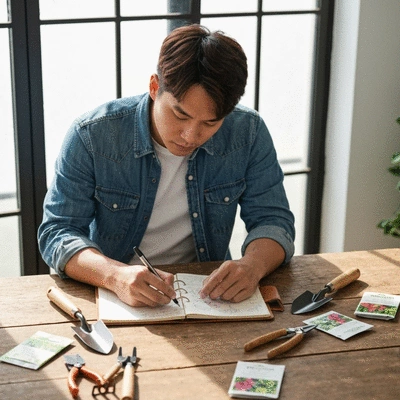
Garden Journals: Keep track of your planting dates, weather conditions, and observations to refine your schedule over the seasons.
By integrating these tools into your gardening routine, you can ensure that you’re always planting at the optimal time for your region!
Downloadable Resources and Interactive Tools for Gardeners
At All American Gardeners, we're committed to empowering gardeners with valuable resources. Here are some downloadable tools you can utilize:
Printable Planting Schedules: Download schedules tailored to different USDA zones, making it easy to know when to start your seeds.
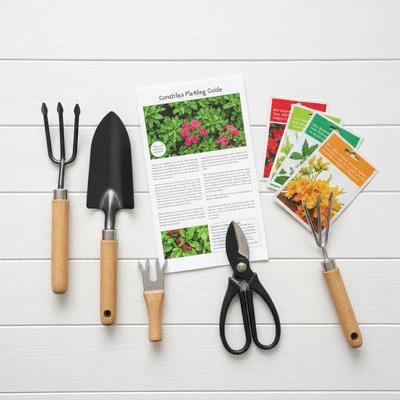
Seed Starting Guides: These guides offer step-by-step instructions on starting seeds indoors, ensuring a head start on the growing season.
Organic Gardening Checklists: Checklists help you stay organized, covering everything from soil preparation to pest management strategies.
These resources are designed to simplify your gardening journey and enhance your organic gardening practices!
Incorporating Gardening Apps and Workshops for Continuous Learning
In our ever-evolving gardening landscape, continuous learning is key to success. Technology can be your best friend in this endeavor! Consider these options:
Gardening Apps: Apps like Gardenize or MyGarden allow you to track your plants, set reminders for watering, and even connect with other gardeners for support.
Online Workshops: Participate in workshops offered by organizations like All American Gardeners, where you can learn advanced techniques and connect with fellow gardening enthusiasts.
Social Media Groups: Join gardening communities on platforms like Facebook or Instagram to share experiences, ask questions, and gain inspiration!
Using these platforms can help you stay informed and adapt your practices to meet the challenges of organic gardening. For further guidance on sustainable practices, explore our article on organic gardening tips for beginners.
Final Thoughts on Organic Gardening Success by Region
As we wrap up our exploration of organic gardening calendars, it's essential to remember that success comes from understanding your unique gardening environment. Embrace the journey, adapt your practices, and celebrate each harvest!
Key Takeaways for Effective Planting and Harvesting
Here are a few key insights to keep in mind as you plan your organic garden:
Know Your Zone: Familiarize yourself with your USDA hardiness zone to make informed decisions about what to plant and when.
Embrace Timing: Pay attention to frost dates and seasonal changes to ensure your plants thrive.
Stay Engaged: Use the resources available to you—like those from All American Gardeners—to enhance your gardening skills!
With these takeaways, you'll be well on your way to enjoying a fruitful gardening experience!
Encouraging Sustainable Practices and Community Engagement
Organic gardening isn’t just about growing food; it’s about nurturing our planet! Let’s make a positive impact by:
Promoting Sustainability: Use organic practices that enhance soil health and encourage biodiversity.
Engaging with the Community: Share your knowledge and resources with fellow gardeners, creating a supportive network.
Participating in Local Events: Join community initiatives focused on sustainable gardening and environmental stewardship.
By fostering these connections, we strengthen our gardening community while promoting a healthier planet!
Exploring Local Farmers' Markets and Community Gardens for Resources
Your local farmers' market is a treasure trove of resources just waiting to be discovered! Here’s how you can make the most of these community assets:
Buying Local Seeds and Plants: Support local growers and find varieties that are well-suited to your region.
Connecting with Local Experts: Engage with farmers and gardeners at markets to gain insights and tips specific to your area.
Participating in Community Gardens: Get involved in a community garden to share knowledge, seed exchanges, and collective gardening experiences.
These resources not only provide you with the tools you need but also create a sense of community and connection among gardeners.
Frequently Asked Questions (FAQs) About Organic Gardening Calendars
1. Why is timing crucial in organic gardening?
Timing is crucial because planting too early can expose seedlings to frost damage, while planting too late can lead to reduced yields due to shorter growing seasons. Proper timing also helps manage pests and ensures plant vigor.
2. How do regional factors influence planting schedules?
Regional factors such as temperature fluctuations, rainfall patterns, and sunlight duration directly impact which plants can thrive and when they should be planted. Each region has unique climate conditions that necessitate a tailored planting schedule.
3. What is the USDA Plant Hardiness Zone Map and how do I use it?
The USDA Plant Hardiness Zone Map divides the country into zones based on average annual extreme minimum winter temperatures. Gardeners use it to choose plants that are best suited to their area's climate, guiding both plant selection and planting schedules. You can find your zone by entering your zip code on the USDA website.
4. What tools can help me create a personalized gardening calendar?
You can use regional-specific gardening calendars, online planning tools (like those offered by All American Gardeners), and garden journals to track planting dates, weather, and observations. These tools help refine your schedule over time.
5. How can I continuously learn and improve my organic gardening practices?
Continuous learning can be achieved by using gardening apps to track plants and set reminders, participating in online workshops, and joining social media groups or local gardening communities. These resources provide advanced techniques, support, and inspiration.
Recap of Key Points
Here is a quick recap of the important points discussed in the article:
Know Your Zone: Familiarize yourself with your USDA hardiness zone to make informed decisions about what to plant and when.
Embrace Timing: Pay attention to frost dates and seasonal changes to ensure your plants thrive.
Utilize Tools: Use gardening calendars and online resources to create a personalized planting schedule.
Engage with the Community: Connect with local gardeners and participate in community events to share knowledge and resources.
Incorporate Technology: Utilize gardening apps and online workshops for continuous learning and support.
Subscribe & Share
2026-08-28
Growing Herbs with Hydroponics
Why settle for store-bought herbs when you can grow your own at home, in any space? Hydroponic garde
2026-08-27
Growing Sweet Corn from Seeds
Ready to transform your gardening experience? Selecting the right sweet corn seeds can make all the
Growing Your Own Garlic Bulbs
As you prepare to embark on your journey of growing garlic, consider this: garlic cultivation isn't
All American Gardeners
Your premier online resource for mastering home gardening across the U.S. We empower American home gardeners with expert tips, step-by-step guides, and sustainable practices for thriving outdoor spaces.
Trusted by gardeners nationwide, our mission is to provide reliable, easy-to-follow insights backed by Clara M. Greene's extensive horticulture experience and practical advice.