As the trend towards sustainability grows, many are transforming their gardening practices. If you're considering making the switch to organic gardening, you might be wondering what benefits await you. Let’s delve into the essential insights that can empower your gardening journey!
What You Will Learn
Soil Health is Fundamental: Understanding and improving soil quality is crucial for successful organic gardening.
Natural Amendments Boost Growth: Incorporating compost and organic materials enhances nutrient availability for your plants.
Integrated Pest Management (IPM): Employ natural predators and organic strategies for pest control instead of synthetic chemicals.
Embrace Biodiversity: Organic gardening promotes a diverse ecosystem essential for environmental health.
Cost-Effective in the Long Run: Although initial costs may rise, organic practices can reduce future spending on fertilizers and pesticides.
Community Connections Matter: Joining local gardening clubs and online forums enriches your gardening experience through shared knowledge.
Learning from Mistakes is Key: Every gardener faces challenges; documenting experiences can lead to valuable lessons and improvements.
The Organic Gardening Transition: Benefits and Practices
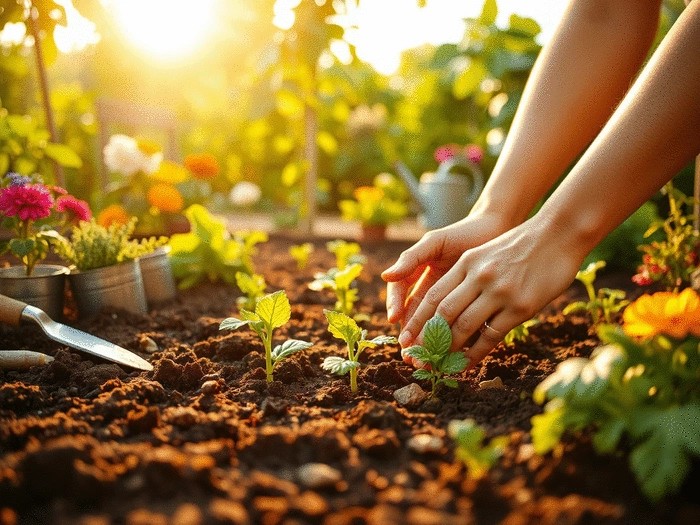
Transitioning to organic gardening offers numerous benefits for your plants, the environment, and your overall well-being. To get started, consider these organic gardening tips for beginners. Below is a visual comparison of key aspects.
What Organic Gardening Entails: Holistic Approach
Understanding Soil Health
Utilizing Natural Amendments
Implementing Integrated Pest Management (IPM)
Benefits of Organic Methods
Healthier Produce (Higher Nutritional Content)
Environmental Benefits (Reduced Pollution, Water Conservation)
Enhanced Flavor
Sustainable Practices
Cover Cropping (Soil Protection & Health)
Crop Rotation (Pest Prevention)
Water Conservation (Drip Irrigation, Rainwater Harvesting)
Community Engagement
Join Local Gardening Clubs & Online Forums
Explore Community Supported Agriculture (CSA) Options
Understanding Organic Gardening: The Shift from Conventional Practices
As a passionate gardener, I've witnessed the remarkable shift toward organic gardening over the past few years. More and more people are moving away from conventional methods, driven by a desire for healthier plants, safer food, and a commitment to sustainability. But what does it really mean to transition to organic gardening? Let's explore the ins and outs together!
What Does Transitioning to Organic Gardening Entail?
Transitioning to organic gardening is more than just ditching chemical fertilizers and pesticides. It's about adopting a holistic approach that nurtures the soil, plants, and the ecosystem. Here are a few key components to consider:
Understanding Soil Health: Building a healthy foundation for your plants starts with examining and improving your soil.
Utilizing Natural Amendments: Incorporating compost, manure, and other organic matter enhances nutrient availability.
Implementing Integrated Pest Management (IPM): This strategy uses natural predators and organic methods to control pests rather than relying on synthetic chemicals.
As you embark on your organic gardening journey, remember that it's a gradual process. You might not see immediate results, but the long-term benefits are worth the wait!
The Benefits of Embracing Organic Methods
There are numerous benefits to switching to organic gardening that go beyond just the garden itself. For starters, organic practices promote biodiversity, which is essential for a thriving ecosystem. By using organic methods, you'll enjoy:
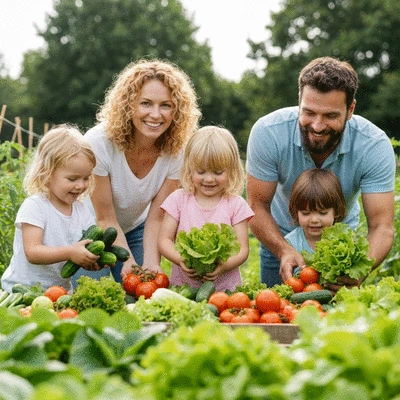
Healthier Produce: Organic fruits and vegetables often have higher nutritional content and are free from harmful pesticides.
Environmental Benefits: Organic gardening reduces pollution and conserves water, supporting the health of our planet.
Enhanced Flavor: Many gardeners, including myself, find that organic produce has a richer taste, making every bite a delight!
When you choose organic, you're not just cultivating plants; you're nurturing the earth and supporting sustainable practices that can lead to a healthier future. For more insights into natural pest control, check out our guide on effective natural pest control tips.
Exploring Sustainable Agriculture Practices in Organic Gardening
Organic gardening aligns closely with sustainable agriculture practices. This means not only focusing on what happens in your garden but also being mindful of the broader ecosystem. Here are some sustainable practices to consider:
Cover Cropping: Using cover crops protects the soil from erosion and improves soil health while adding nutrients.
Crop Rotation: Alternating crops helps prevent pest buildup and promotes a balanced ecosystem within your garden.
Water Conservation: Implementing drip irrigation and rainwater harvesting is an effective way to utilize water wisely.
By incorporating these sustainable practices into your organic gardening routine, you're not only enhancing your garden but also contributing to the well-being of our environment. It's a win-win situation!
We Want to Hear From You!
As you consider the transition to organic gardening, what has been your biggest challenge or triumph? Share your thoughts below:
Preparing for Success: Final Thoughts on Your Organic Transition
As you embark on your journey into organic gardening, it’s essential to consider: Is the transition worth it? The answer is a resounding yes! The long-term benefits of organic gardening not only enhance the health of your garden but also contribute positively to the environment. With a little patience and commitment, you’ll find that the rewards far outweigh the challenges.
One of the most significant advantages of adopting organic methods is the improvement in soil health. Healthier soil means more vigorous plants, and in turn, a more abundant harvest. Plus, you’ll gain peace of mind knowing that your gardening practices are sustainable and safe for your family and the planet.
Is the Transition Worth It? Weighing the Long-Term Benefits
Transitioning to organic gardening is not just about changing your methods; it’s about embracing a new mindset that values nature. Here are some key benefits to keep in mind:
Environmental Impact: Organic gardening reduces chemical runoff and promotes biodiversity.
Healthier Produce: Grow nutrient-rich fruits and vegetables free from harmful pesticides.
Cost Savings: While initial investments might be higher, organic gardening can save money in the long run through reduced fertilizer and pesticide purchases.
Community Connection: Organic gardening fosters relationships with fellow gardeners and encourages local support systems.
By weighing these benefits, you can see that investing in organic practices will not only transform your garden but also enrich your overall gardening experience!
Encouragement to Embrace the Process and Learn from Failures
Remember, every gardener faces challenges, especially during the first year of transitioning to organic practices. Embrace the process! It’s okay to make mistakes; they’re part of learning and growing as a gardener. Each setback offers valuable lessons that can help you improve your practices and ultimately lead to greater success.
Keep a journal of your experiences—documenting your wins and losses will help you track progress over time. Plus, it can be a source of inspiration when you’re feeling discouraged. Celebrate your achievements, no matter how small, and don’t hesitate to reach out for support!
Engaging with the Organic Gardening Community
As you journey through organic gardening, connecting with others can provide a much-needed boost. Engaging with the community opens up avenues for learning, sharing, and growing together. Let's explore how you can find support!
Finding Local Groups and Online Platforms for Ongoing Support
One of the best ways to stay motivated is to surround yourself with like-minded individuals. Here are some ways to engage with the organic gardening community:
Join Local Gardening Clubs: Many towns have clubs where you can meet fellow gardeners, share tips, and even participate in plant swaps!
Online Forums: Websites like Reddit and garden-specific forums can provide support and answers to your questions.
Social Media Groups: Platforms like Facebook have numerous groups dedicated to organic gardening where you can share your journey and learn from others.
These connections can make your organic gardening experience much more enriching. You’ll find that sharing your victories and challenges fosters a sense of community that can motivate you to keep going! If you're looking for ways to improve your soil, consider learning more about simple steps for home composting.
Exploring Community Supported Agriculture (CSA) Options
If you’re looking for ways to deepen your connection with local agriculture, consider exploring Community Supported Agriculture (CSA) programs. Joining a CSA connects you directly with local farmers and supports sustainable practices. Here are some benefits:
Fresh Produce: Enjoy seasonal fruits and vegetables that are harvested at the peak of freshness.
Community Engagement: Be part of a local network that shares your passion for sustainable agriculture.
Learning Opportunities: Many CSAs offer workshops and events to educate members on sustainable practices.
Participating in a CSA not only enhances your kitchen with fresh produce but also strengthens your ties with your community and the environment.
Call to Action: Share Your Journey and Inspire Others
As you continue on your organic gardening adventure, I encourage you to share your journey! Whether through social media or local events, your experiences can inspire fellow gardeners and contribute to a culture of sustainability. Document your progress, share your successes and failures, and engage with others about what you’ve learned. You never know who you might inspire to take up organic gardening themselves! For more on nurturing your plants, explore a year-round plant care guide.
At All American Gardeners, we love hearing about your stories and successes. Let’s build a community where we can all thrive together. Happy gardening!
Frequently Asked Questions About Organic Gardening
What is the main difference between organic and conventional gardening?
Organic gardening relies on natural processes, amendments, and pest control methods, avoiding synthetic chemicals and pesticides. Conventional gardening often uses synthetic fertilizers and chemical pesticides for quicker results.
What are the benefits of transitioning to organic gardening?
Benefits include healthier produce with higher nutritional content, reduced environmental pollution, water conservation, enhanced flavor in fruits and vegetables, and a thriving biodiversity in your garden and surrounding ecosystem.
How important is soil health in organic gardening?
Soil health is fundamental. Organic gardening emphasizes improving soil structure and fertility through natural amendments like compost and manure, which leads to stronger, more resilient plants and a healthy ecosystem.
What is Integrated Pest Management (IPM)?
IPM is an organic strategy that uses natural predators, barriers, and other organic methods to control pests, minimizing the need for synthetic chemical pesticides.
Is organic gardening more expensive?
While initial investments in organic materials might seem higher, organic gardening can be more cost-effective in the long run. By improving soil health and using natural pest control, you reduce future spending on synthetic fertilizers and pesticides.
Recap of Key Points
Here is a quick recap of the important points discussed in the article:
Soil Health: Focus on improving soil health as the foundation for a successful organic garden.
Natural Amendments: Use compost and organic matter to enhance nutrient availability.
Integrated Pest Management (IPM): Employ natural methods for pest control instead of synthetic chemicals.
Environmental Benefits: Organic gardening promotes biodiversity and reduces pollution.
Community Engagement: Connect with local gardening clubs and participate in Community Supported Agriculture (CSA) for support and fresh produce.
Embrace Challenges: Learn from failures and track your gardening journey for continuous improvement.
Subscribe & Share
2026-08-28
Growing Herbs with Hydroponics
Why settle for store-bought herbs when you can grow your own at home, in any space? Hydroponic garde
2026-08-27
Growing Sweet Corn from Seeds
Ready to transform your gardening experience? Selecting the right sweet corn seeds can make all the
Growing Your Own Garlic Bulbs
As you prepare to embark on your journey of growing garlic, consider this: garlic cultivation isn't
All American Gardeners
Your premier online resource for mastering home gardening across the U.S. We empower American home gardeners with expert tips, step-by-step guides, and sustainable practices for thriving outdoor spaces.
Trusted by gardeners nationwide, our mission is to provide reliable, easy-to-follow insights backed by Clara M. Greene's extensive horticulture experience and practical advice.