Organic Garden Fertilizer Guide
Posted on: 2026-05-20
By: Clara M. Greene
What if your garden could flourish without the harsh chemicals found in conventional fertilizers? By embracing organic options, you can not only sustain the health of your plants but also nurture the environment!
What You Will Learn
- Organic fertilizers improve soil health and promote microbial activity, creating a thriving garden ecosystem.
- Using organic options helps maintain soil fertility over the long term, supporting sustainable gardening practices.
- Different types of organic fertilizers, such as compost, manure, and fish emulsion, cater to specific gardening needs.
- Understanding the difference between granular and liquid fertilizers can enhance your gardening approach.
- Eco-friendly fertilizers, like seaweed extract and compost tea, minimize environmental impact while enriching your garden.
- A comparative analysis of popular organic fertilizers can guide you in choosing the best products for your plants.
Organic Fertilizer Comparison
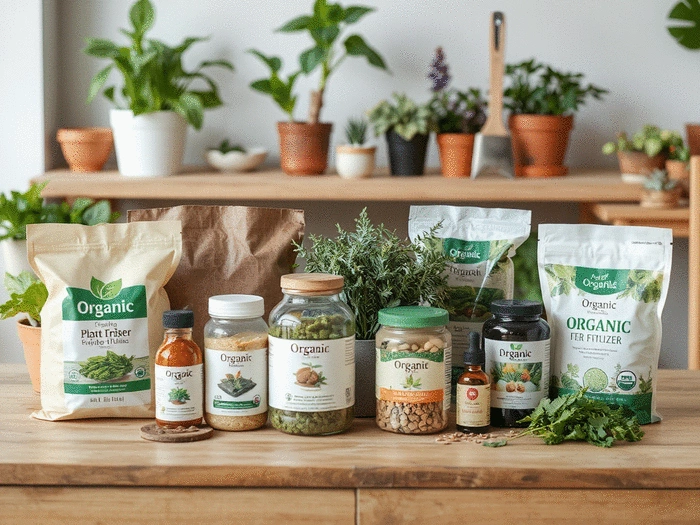
Selecting the right organic fertilizer is crucial for nurturing healthy plants and a thriving garden ecosystem. This comparison highlights key organic fertilizers, their forms, nutrient ratios, and best uses to help you make informed decisions for your gardening needs.
Key Benefits of Organic Fertilizers
- Improved Soil Structure
- Enhanced Nutrient Availability
- Natural Pest Resistance
Organic Fertilizer - Dr. Earth Organic 5
Form: Granular
NPK: 5-7-3
Best Use: Vegetables, Herbs
Pros: Organic, Non-GMO
Cons: Can clump in humid conditions
Organic Fertilizer - Fish Emulsion
Form: Liquid
NPK: 5-1-1
Best Use: Flowering Plants
Pros: Rich in nutrients, great for soil health
Cons: Strong smell
Organic Fertilizer - Bone Meal
Form: Granular
NPK: 4-12-0
Best Use: Flowering & Root Development
Pros: High in phosphorus
Cons: Slow to break down
Organic Fertilizer - Kelp Meal
Form: Granular
NPK: 1-0-3
Best Use: Soil Health
Pros: Rich in micronutrients
Cons: Low nutrient ratio
Understanding Organic Fertilizers for Healthy Gardens
Organic gardening is all about nurturing nature, and choosing the right fertilizers is key to fostering healthy plants! At All American Gardeners, I often emphasize the importance of organic fertilizers for sustainable gardening practices. They not only nourish your plants but also contribute to the overall health of your garden ecosystem.
When you're considering fertilizers, remember that organic options help maintain soil fertility without the harsh chemicals found in synthetic products. This is crucial for creating a thriving environment where plants can flourish naturally. For more tips on nurturing your garden, explore our guide on organic gardening tips for beginners.
The Importance of Choosing Organic Fertilizers
Why should you choose organic fertilizers over traditional ones? That's a great question! Organic fertilizers are derived from natural sources, such as plants, animals, and minerals. They work with the ecosystem, improving soil health and promoting microbial activity.
- Sustainability: They support long-term soil productivity.
- Environmental Safety: No harmful chemicals leach into the groundwater.
- Healthier Produce: Organic fruits and vegetables are free from synthetic residues.
By using organic fertilizers, you’re not just feeding your plants; you’re also cultivating a relationship with nature that fosters biodiversity and soil vitality. Trust me, your garden will thank you for it!
Key Benefits of Using Organic Fertilizers in Your Garden
Utilizing organic fertilizers brings a plethora of benefits that can transform your gardening experience. Here are some standout advantages:
- Improved Soil Structure: Organic fertilizers enhance the texture and structure of your soil.
- Enhanced Nutrient Availability: They release nutrients slowly, providing a steady supply for your plants.
- Natural Pest Resistance: Healthy plants grown in enriched soil are less susceptible to pests and diseases.
These benefits lead to stronger plants and bountiful harvests. After years of gardening, I've seen firsthand how organic fertilizers can make a significant difference in both plant health and garden yield! If you're focusing on growing vegetables, be sure to check out our recommendations for top organic fertilizers for vegetables.
Exploring Different Types of Organic Fertilizers
There are various types of organic fertilizers available, each with its unique properties and applications. Understanding these can help you make informed choices for your garden. Here’s a quick breakdown:
- Compost: A rich source of nutrients that improves soil structure.
- Manure: Provides a great boost of nitrogen, phosphorus, and potassium.
- Bone Meal: Excellent for root development and flowering plants.
- Fish Emulsion: A fast-acting fertilizer that is gentle on plants.
Choosing the right organic fertilizer depends on your garden's specific needs. It’s essential to consider factors like soil type, plant requirements, and local climate conditions.
Understanding Granular vs. Liquid Fertilizers
Organic fertilizers come in two main forms: granular and liquid. Granular fertilizers are solid and typically last longer, while liquid fertilizers are fast-acting and easily absorbed by plants. Both have their place in the garden:
- Granular: Great for slow-release nutrients; ideal for established plants.
- Liquid: Perfect for quick nutrient boosts; best for young or stressed plants.
My personal preference often leans towards granular fertilizers for long-term feeding, but liquid fertilizers can be lifesavers during those high-stress moments in the growing season!
An Overview of Eco-Friendly Fertilizers
Eco-friendly fertilizers are designed with sustainability in mind. These products not only nourish your plants but also minimize environmental impact. Some popular options include:
- Seaweed Extract: Provides trace minerals and encourages microbial activity.
- Compost Tea: A liquid fertilizer made by steeping compost in water.
- Organic Mulches: Help retain moisture and suppress weeds, while enriching the soil as they decompose.
Incorporating eco-friendly fertilizers is a fantastic way to enrich your garden while being kind to our planet. It's a win-win approach for both gardeners and nature!
Interactive Poll: Your Thoughts on Organic Fertilizers
What type of organic fertilizer do you prefer for your garden? Share your choice below:
Comparative Analysis of Top Organic Fertilizers
When it comes to selecting the best organic fertilizers for your garden, a careful comparative analysis can make all the difference. I've spent countless hours researching and testing various products, and I’m excited to share what I’ve found. Understanding the strengths and weaknesses of different fertilizers helps ensure that your plants get the nutrients they need. Let’s dive into this analysis together!
Side-by-Side Comparison of Popular Organic Fertilizers
| Product | Form | NPK | Best Use Cases | Pros | Cons |
|---|---|---|---|---|---|
| Dr. Earth Organic 5 | Granular | 5-7-3 | Vegetables, Herbs | Organic, Non-GMO | Can clump in humid conditions |
| Miracle-Gro Performance Organics | Granular | 10-4-3 | All-purpose | Easy to use, fast-acting | Not fully organic |
| Fish Emulsion | Liquid | 5-1-1 | Flowering Plants | Rich in nutrients, great for soil health | Strong smell |
| Bone Meal | Granular | 4-12-0 | Flowering and Root Development | High in phosphorus | Slow to break down |
| Kelp Meal | Granular | 1-0-3 | Soil Health | Rich in micronutrients | Low nutrient ratio |
This table provides a quick glance at some of the most popular organic fertilizers available. Each product has unique benefits and potential drawbacks, so carefully consider what aligns best with your gardening needs. For example, if you're looking for a quick boost for your flowering plants, fish emulsion might be your best friend!
Detailed Reviews of Best Plant Fertilizers for Organic Gardens
Let’s take a closer look at some standout options in the world of organic fertilizers. Each of these options has proven to be effective in various garden settings, and I’d love to share my insights on them!
Dr. Earth Organic 5 Tomato, Vegetable & Herb Fertilizer
This granular fertilizer is excellent for those growing tomatoes and other veggies. With its rich blend of organic ingredients, it's designed to promote robust growth and increased yields. I’ve seen fantastic results in my own garden!
Miracle-Gro Performance Organics
This product is a popular choice among gardeners who appreciate the convenience of granular application. Although it's not entirely organic, its performance speaks volumes. I find it particularly effective for a variety of plants!
Fish Emulsion and Its Benefits for Soil Health
Fish emulsion is a liquid treasure when it comes to enhancing soil health. It provides a wealth of nutrients that help strengthen plants and improve their growth rates. Just be prepared for the aroma—it’s potent!
Bone Meal vs. Blood Meal: Which is Right for Your Garden?
Both bone meal and blood meal are excellent organic options, but they serve different purposes. Bone meal is high in phosphorus, ideal for flowering plants, while blood meal is rich in nitrogen, perfect for leafy greens. Choosing between them depends on your specific garden needs!
Kelp Meal and Its Role in Nutrient-Rich Soil
Kelp meal offers a variety of micronutrients essential for overall plant health. It’s a fantastic additive for boosting soil quality and promoting healthy root systems. I often recommend it to fellow gardeners!
The Benefits of Using Worm Castings in Organic Gardening
Worm castings are nature’s magic, providing an organic way to enhance soil fertility. They improve soil structure, increase microbial activity, and provide a slow-release source of nutrients. Trust me, incorporating them into your gardening routine can make a huge difference! For more insights on improving soil health, consider reading our article on healthy soil for thriving gardens.
Frequently Asked Questions About Organic Fertilizers
Here are some common questions about organic fertilizers to help you further understand their benefits and uses.
- Q: What are the main benefits of using organic fertilizers?
- A: Organic fertilizers improve soil health and structure, enhance nutrient availability through slow release, and promote natural pest resistance in plants. They also support long-term soil productivity and are environmentally safe.
- Q: How do granular and liquid organic fertilizers differ?
- A: Granular fertilizers are solid, offering a slow release of nutrients ideal for established plants and long-term feeding. Liquid fertilizers are fast-acting, providing quick nutrient boosts perfect for young or stressed plants.
- Q: What are some common types of organic fertilizers?
- A: Common types include compost (improves soil structure), manure (rich in NPK), bone meal (high in phosphorus for roots and flowers), fish emulsion (fast-acting and gentle), and kelp meal (rich in micronutrients).
- Q: Are eco-friendly fertilizers the same as organic fertilizers?
- A: Eco-friendly fertilizers are often organic, but the term emphasizes their minimal environmental impact. Examples include seaweed extract, compost tea, and organic mulches, all of which nourish plants sustainably.
- Q: Why is soil health important when using organic fertilizers?
- A: Organic fertilizers work by improving soil health and promoting microbial activity. A healthy soil ecosystem is crucial for nutrient cycling, water retention, and overall plant vitality, making the most of the organic nutrients applied.
Recap of Key Points
Here is a quick recap of the important points discussed in the article:
- Organic Fertilizers: Choose organic fertilizers for sustainable gardening that nourishes plants and supports soil health.
- Benefits: Using organic fertilizers improves soil structure, enhances nutrient availability, and offers natural pest resistance.
- Types: Familiarize yourself with various organic fertilizers such as compost, manure, bone meal, and fish emulsion to suit different plant needs.
- Form Differences: Understand the differences between granular (slow-release) and liquid (fast-acting) fertilizers to optimize plant feeding.
- Eco-Friendly Options: Incorporate eco-friendly fertilizers like seaweed extract and compost tea to minimize environmental impact.
2026-08-28
Growing Herbs with Hydroponics
 Why settle for store-bought herbs when you can grow your own at home, in any space? Hydroponic garde
2026-08-27
Growing Sweet Corn from Seeds
 Ready to transform your gardening experience? Selecting the right sweet corn seeds can make all the
2026-08-27
Growing Aquaponic Tomatoes at Home
 Imagine harvesting juicy, flavorful tomatoes while actively contributing to sustainable agriculture.
2026-08-25
Soil Choices for Healthy Rosemary
 What if I told you that the secret to growing robust rosemary lies in the soil beneath your feet? Un
2026-08-23
Exploring Hydroponic Greenhouse Benefits
 Have you ever wondered how innovative techniques in gardening can reshape our food production? Hydro
2026-08-22
Growing Your Own Garlic Bulbs
 As you prepare to embark on your journey of growing garlic, consider this: garlic cultivation isn't