Seedling Challenges & Solutions
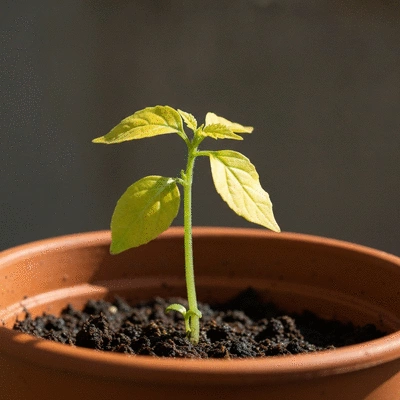
Problem: Yellowing leaves, leggy growth, wilting, stunted growth.
Solution: Ensure proper watering, adequate light, and nutrient-rich, well-draining soil. Healthy seedlings are the foundation.
Join Clara M. Greene's community for expert tips and seasonal guides tailored for American gardeners.
Posted on: 2026-05-11
By: Clara M. Greene
Every gardener faces challenges, but knowing how to address them can turn a struggling garden into a thriving oasis. From seedling stress to pest management, understanding these common issues is key to ensuring your gardening success.
Below are key strategies for successful vegetable plant care, highlighting common problems and their effective solutions for a thriving garden. For more detailed guidance, consider exploring essential plant care checklists to ensure you cover all bases.
Problem: Yellowing leaves, leggy growth, wilting, stunted growth.
Solution: Ensure proper watering, adequate light, and nutrient-rich, well-draining soil. Healthy seedlings are the foundation.
Problem: Inadequate light, inconsistent watering, nutrient deficiencies (discoloration, poor growth, leaf drop).
Solution: Provide sufficient sunlight, consistent moisture, and balanced fertilization. Water deeply and less frequently.
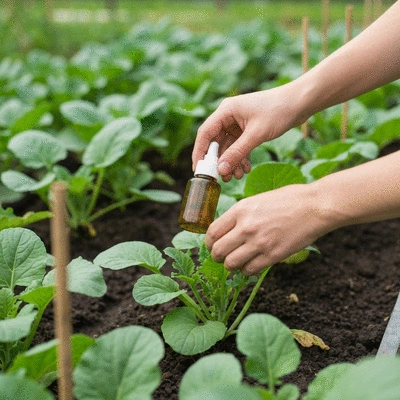
Problem: Aphids, flea beetles, spider mites, root rot, powdery mildew.
Solution: Use natural remedies (neem oil), ensure good air circulation, inspect plants regularly. Prevention is key.
Strategy: Implement crop rotation, maintain garden hygiene (remove dead material, sanitize tools), and use mulching for soil health.
Benefit: Prevents soil depletion, reduces pest buildup, retains moisture, and suppresses weeds.
Gardening can be such a rewarding endeavor, but it’s also filled with challenges, especially when it comes to growing vegetables. As a passionate gardener myself, I’ve encountered a fair share of issues along the way! Understanding the common problems that plants face during their growth stages is crucial for ensuring a bountiful harvest. Let’s dive into some of these challenges and how to tackle them effectively.
Seedlings are delicate little beings that need extra care and attention. Recognizing signs of stress early on can save your garden from significant headaches later. If your seedlings are looking leggy, turning yellow, or wilting, they might be struggling to thrive.
By keeping an eye out for these symptoms, you can intervene before it's too late. Remember, healthy seedlings are the foundation of a thriving vegetable garden!
Several factors can lead to seedling failure, and being aware of these can make all the difference. Environmental stressors such as extreme temperatures, inadequate lighting, or poor soil conditions can hinder growth. Additionally, biological issues like damping-off disease can decimate young plants. To further enhance your gardening knowledge, consider exploring fixing common plant issues.
The foundation of any healthy garden is quality soil. Investing in nutrient-rich, well-draining soil is essential for seedling success. Soil that is too compacted or lacks the right nutrients can stunt seedling growth. Regularly amending your soil with organic matter can help improve its overall quality!
As your plants transition into their vegetative stages, ensuring they have the right conditions for growth is key. Slow growth can be frustrating, but understanding the factors at play can guide you toward solutions that invigorate your plants.
Regularly checking and adjusting these factors will help your vegetables grow strong and vibrant!
Nutrient deficiencies can manifest in various ways, often leading to confused gardeners. If you notice discoloration, poor growth, or leaf drop, it may be time to assess your fertilization practices. Utilizing a balanced fertilizer tailored to your plants' needs can remedy many issues.
Watering correctly is another essential element of successful gardening. Over or under-watering can lead to problems like root rot or desiccation. A good practice is to water deeply and less frequently, allowing the soil to dry slightly between watering sessions.
Every gardener knows the feeling of frustration when pests and diseases invade your beloved plants. Identifying and managing these threats is vital for maintaining a healthy garden!
If you spot any of these pests, don’t panic! Employing natural remedies like neem oil or insecticidal soap can help keep them at bay.
Diseases such as root rot and powdery mildew can wreak havoc in a garden. Regularly inspecting your plants and maintaining good air circulation can significantly reduce the risk of these diseases. Remember, prevention is always easier than cure!
Incorporating organic pesticides into your pest management strategy is a fantastic way to maintain a healthy garden without harmful chemicals. Products like diatomaceous earth or insecticidal soaps can provide effective control while keeping your garden safe for beneficial insects. For more options, consider exploring effective natural pest control tips.
Prevention is often the best medicine in gardening. Implementing proactive strategies can set your vegetable garden on the path to success!
Crop rotation is a powerful practice that helps prevent soil depletion and pest buildup. By rotating your crops each season, you can maintain soil health and minimize the risk of disease.
Staying vigilant about garden hygiene will keep your plants happy and healthy!
Mulching not only adds an aesthetic touch to your garden but also offers numerous benefits. A layer of mulch can help retain soil moisture, suppress weeds, and improve soil health over time.
A1: Early signs of seedling stress include yellowing leaves (indicating nutrient deficiencies), leggy growth (due to insufficient light), wilting or drooping (often from watering issues), and stunted growth (a sign of potential root problems).
A2: Soil quality is crucial. Nutrient-rich, well-draining soil is essential for healthy seedlings. Compacted soil or soil lacking proper nutrients can stunt growth. Regular amendment with organic matter can significantly improve soil quality.
A3: The primary factors affecting plant growth rates are adequate sunlight for photosynthesis, consistent moisture levels, and a balanced supply of nutrients for robust development.
A4: If you notice discoloration, poor growth, or leaf drop, it's likely a nutrient deficiency. Assess your fertilization practices and use a balanced fertilizer tailored to your plants' needs. Soil tests can also help identify specific deficiencies.
A5: Effective organic pest control methods include using natural remedies like neem oil or insecticidal soap, ensuring good air circulation, and regularly inspecting plants. Diatomaceous earth can also be effective against certain pests.
A6: Crop rotation is important because it prevents soil depletion by not growing the same crop in the same spot repeatedly. It also reduces pest and disease buildup, as many pests and pathogens are specific to certain plant families.
What common vegetable plant issues have you faced in your gardening journey? Share your thoughts and experiences below:
As we wrap up our exploration of vegetable plant care, it's essential to highlight some key strategies that can help you cultivate a thriving garden. Gardening is a journey filled with learning and growth, and understanding common problems and their solutions can make all the difference in your gardening success. Let's take a moment to recap these important takeaways.
Each of these issues has straightforward solutions that can help you get your plants back on track. Remember, the earlier you catch a problem, the easier it will be to address it!
At All American Gardeners, we believe that sustainability is key to creating a healthy garden ecosystem. Incorporating sustainable practices not only benefits your plants but also supports the environment. Here are some practices to embrace:
By adopting these sustainable practices, you contribute to a healthier planet and ensure your garden thrives for years to come. Every small change counts in making a big difference!
Don’t hesitate to seek out resources to enhance your gardening knowledge! Local extension services offer expert advice tailored to your area's unique climate and soil conditions. They can help you troubleshoot specific problems and provide guidance on best practices.
Remember, I'm always here to share insights from my own gardening experiences as well! Feel free to reach out through our community forums or social media channels. For additional resources on creating healthy soil, check out our guide on healthy soil for thriving gardens.
Gardening is more enjoyable and rewarding when we connect with one another. I encourage you to share your own gardening stories and tips with our community at All American Gardeners! Your experiences can inspire others and contribute to our collective gardening knowledge.
Whether it’s a triumph over a tough pest or a new technique you discovered, every bit of information helps us grow together. So, let’s keep the conversation going—your garden journey is important, and your insights are valuable!
Here is a quick recap of the important points discussed in the article: