Understanding Your Zone & Frost Dates
Identify your USDA Hardiness Zone and critical frost dates (first fall, last spring) to guide your entire cleanup schedule.
Join Clara M. Greene's community for expert tips and seasonal guides tailored for American gardeners.
Posted on: 2026-03-03
By: Clara M. Greene
As the seasons change, so does the responsibility of caring for your garden. With fall upon us, it's time to prepare your plants for winter's chill. Are you ready to tackle the essential tasks that will set your garden up for success? Here’s what you need to know!
Understanding your hardiness zone is key to preparing your garden for winter. Tailor your cleanup tasks to specific zone needs for a healthier garden year-round, and learn how to understand your USDA Hardiness Zones better.
Identify your USDA Hardiness Zone and critical frost dates (first fall, last spring) to guide your entire cleanup schedule.
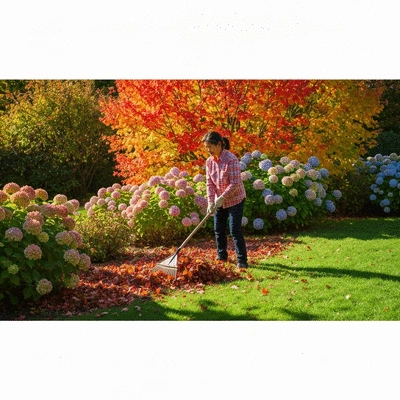
Systematically remove diseased plants and manage fallen leaves. Compost healthy material, dispose of diseased.
Apply mulch (3-4 inches) to insulate soil, prevent heaving. Consider cover crops and soil amendments like compost.
Divide & transplant dormant perennials. Perform selective cutting after first frost. Prune for shape and health.
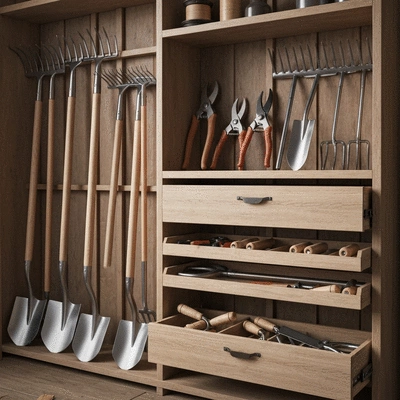
Clean, dry, and store tools properly to prevent rust. Organize for accessibility and apply oil to metal parts.
Leave some native plants and seed heads for birds/insects. Balance aesthetics with ecological needs for biodiversity.
As the vibrant colors of fall begin to take over our gardens, it's time to prepare for the winter months ahead. Each hardiness zone across the United States presents its own set of challenges and opportunities when it comes to fall gardening cleanup. Understanding your specific hardiness zone not only helps you know what plants will thrive but also informs your cleanup routine as you gear up for winter!
In this section, I’ll guide you through the essential tasks that will set your garden up for success, regardless of whether you're in the warm climates of Zone 10 or the chilly reaches of Zone 3. Let's dive in!
Your hardiness zone is a crucial element in determining what plants can survive the winter in your area. It's based on the average annual minimum winter temperatures. Knowing your zone helps you make informed decisions about what plants to keep or remove, ensuring your garden remains healthy.
To find out your hardiness zone, you can use the USDA Plant Hardiness Zone Map. Once you identify your zone, you can tailor your fall cleanup tasks accordingly. For instance, if you're in a warmer zone, you might leave some plants standing to provide winter interest, while those in cooler zones should focus on protecting tender perennials.
By understanding these implications, you can make better choices that lead to a thriving garden come spring!
Frost dates are critical in guiding your cleanup schedule. Knowing the last frost date in spring and the first frost date in fall for your zone helps in planning your tasks effectively. For example, if your first frost is early, it's vital to clean up diseased plants and prepare your soil before the frost sets in.
I recommend marking these dates on your calendar to keep track of when you need to complete essential cleanup tasks. Doing so ensures that you protect your plants and soil from harsh winter conditions, making spring planting a breeze!
Getting your garden ready for winter involves a few systematic routines. These practices not only tidy up your space but also prepare your plants and soil for the cold months ahead.
One of the first tasks is to remove any diseased plants or plant debris. This step helps prevent pests and diseases from overwintering in your garden. Be sure to check for any signs of disease and dispose of these materials properly. Healthy gardens start with clean environments!
When it comes to managing garden materials, you have a choice: composting or disposal. Composting is a great way to recycle nutrients back into your garden, but be cautious with diseased plants—those are best disposed of to avoid contamination. Creating your own compost pile can be a rewarding way to enrich your soil!
Leaves can create a beautiful autumn blanket, but they can also smother your plants. Regularly removing leaves is essential, especially if you're in a wetter climate where they can harbor diseases.
Keeping your garden clean not only looks great but also promotes healthy plant growth throughout the winter!
Winter can be tough on soil. So, let’s ensure your garden's soil gets the protection it needs during these colder months. There are several strategies that can help.
One effective method is mulching. A good layer of mulch protects the soil by insulating it and retaining moisture. For those in colder zones, mulch can also prevent frost heaving in your plants.
Planting cover crops is another fantastic way to protect and enrich your soil during the winter months. These crops, such as clover or rye, add nutrients back into the soil and help prevent erosion.
Adding amendments like compost or well-rotted manure can give your soil a nutrient boost just before winter. This practice ensures that your plants have everything they need to thrive come spring!
Caring for your perennials in the fall is key to ensuring their success for years to come. By taking a few simple steps, you can help them thrive.
Dividing and transplanting perennials should be done in the fall when the temperatures are cooler. This allows plants to establish their roots before winter. Be mindful of the specific needs of each plant!
Performing selective cutting can help encourage new growth in the spring. Focus on cutting back spent flowers and stems that show no signs of life, while leaving healthy ones intact. This practice keeps your garden looking tidy and encourages healthy growth!
Proper pruning helps maintain the shape and health of your plants. For perennials, prune after the first frost, while annuals can be cut back once they’ve stopped flowering. It’s a simple yet effective way to keep your garden vibrant!
As we wrap up our fall cleanup, it's essential to prepare your tools and lawn for the colder months.
Gathering the right tools makes all the difference in your cleaning efficiency. Some essential tools for your fall cleanup include:
Having these tools at the ready allows you to tackle cleanup tasks promptly, ensuring your garden is prepped for winter! For a comprehensive guide, check out this list of essential garden hand tools.
After your cleanup, it’s important to store your tools properly. Clean and dry your tools before storing them away to prevent rust and damage. Consider using a pegboard or tool organizer to keep everything neat and accessible!
Taking a few extra steps to protect your garden tools during the winter can extend their life significantly. Store them in a dry, cool place, and consider applying oil to metal parts to prevent rust.
As we wrap up our fall garden tasks, let’s not forget the importance of our garden’s ecosystem. Creating a wildlife-friendly garden supports beneficial insects and birds that help maintain balance in your garden.
Leaving some native plants and dried seed heads in place can provide food for birds and insects over winter. These small acts support biodiversity and aid in the overall health of your garden.
While it's important to keep your garden looking tidy, it’s equally important to balance aesthetics with ecological needs. Consider leaving some areas wild while maintaining the main parts of your garden. This balance benefits both you and the local wildlife!
Lastly, consider incorporating more native plants into your garden. Native plants are well-adapted to your local environment and provide habitats for various species. Plus, they often require less maintenance! By investing in biodiversity, you're investing in a healthier garden for years to come!
According to the USDA, understanding your hardiness zone can significantly impact your gardening success. Gardens tailored to local conditions can see up to a 30% increase in yield compared to those that are not zone-appropriate!
As we wrap up our discussion on essential fall garden cleanup tasks, it's important to reflect on what you’ve learned and prepare for the upcoming season. Whether you’re a seasoned gardener or just starting with All American Gardeners, having a well-structured cleanup plan can make all the difference. Let's dive into your cleanup checklist specifically tailored for your hardiness zone!
Each hardiness zone has unique characteristics that influence your gardening practices. A one-size-fits-all approach simply won't cut it! Here are some tailored tasks you should consider for your zone:
By customizing your checklist according to your hardiness zone, you can ensure that your garden remains healthy and thriving throughout the winter months. Need a handy reference? Let’s visualize those tasks!
Tailoring your checklist not only simplifies your work but also enhances your gardening experience. Here’s a suggested approach:
With these steps, you can efficiently plan your fall cleanup without the stress of overlooking vital tasks!
To make your gardening journey even easier, I’ve created a downloadable PDF checklist. This resource will keep you organized and ensure that you stay on track. You can find it on the All American Gardeners website—just visit our resources section to grab your copy!
Gardening isn’t just about growing plants; it's also about growing connections! Engaging with fellow gardeners can provide motivation and new insights. Here’s how you can connect:
I love hearing from our community! Share photos of your fall cleanup success on social media or tag us with #AllAmericanGardeners. Let's celebrate your hard work together!
Being proactive is key! Stay informed by subscribing to gardening newsletters, joining online forums, or visiting our blog regularly. All American Gardeners is here to keep you updated with the latest tips tailored for all regions.
Don’t underestimate the power of local gardening workshops and community events. These gatherings are a wonderful way to learn from experts and share experiences with fellow gardeners. I often participate in community events and would love to see you there!
As you prepare for winter, remember that each task you complete brings you one step closer to a thriving garden come spring. Happy gardening, and let's keep growing together!
Here is a quick recap of the important points discussed in the article: