Cultivate Your Best Garden!

Join Clara M. Greene's community for expert tips and seasonal guides tailored for American gardeners.

Gardening Tips for Warm Zones


Gardening Tips for Warm Zones

Posted on: 2026-03-16
By: Clara M. Greene


What if you could enjoy a garden full of fresh produce and vibrant blooms all year round? In warm zones 9-11, this dream is a reality! By understanding the unique conditions of these regions, you can maximize your gardening potential and create a space that flourishes through every season.

What You Will Learn

  • Understanding the climate of zones 9-11 is crucial for selecting the right plants.
  • Year-round gardening helps improve soil health, extend growing seasons, and reduce pest outbreaks.
  • Adopting specific techniques like mulching and drip irrigation can enhance your garden's resilience.
  • Engaging with your gardening community fosters sharing knowledge and experiences, enriching your gardening journey.

Year-Round Gardening in Warm Zones 9-11: Key Strategies

Discover essential techniques and practices for successful year-round gardening in mild to hot climates.

Climate & Growing Conditions

  • Mild Winters (20-40°F)
  • Hot Summers (>90°F)
  • Long Growing Seasons

Why Year-Round Gardening?

  • Maximize Harvests
  • Improve Soil Health
  • Reduce Pests & Disease

Key Gardening Techniques

  • Choose Heat-Resistant Varieties
  • Focus on Mulching
  • Implement Drip Irrigation

Successful Gardening Takeaways

  • Plan for Each Season
  • Stay Informed on Your Zone
  • Practice Sustainability

Understanding Year-Round Gardening in Warm Zones 9-11

Gardening in warm zones 9-11 presents unique opportunities and challenges for dedicated home gardeners. These zones, characterized by a mild to hot climate, allow for a diverse range of plants to thrive throughout the year. Understanding the specific conditions of these zones can empower you to make the most of your gardening efforts. Let’s explore what makes zones 9-11 so special and how you can cultivate a flourishing garden all year round!

Defining Warm Zones 9-11: Climate and Growing Conditions

Warm zones 9-11 include regions that typically experience mild winters and long, warm summers. In these areas, the average coldest temperature rarely dips below 20°F. This climate supports a wide variety of plants, including tropical and subtropical species that wouldn't survive in cooler zones. Some key features of these zones include:

  • Average temperatures ranging from 20°F to 40°F in winter
  • Hot summers with temperatures often exceeding 90°F
  • Long growing seasons, allowing for multiple plantings throughout the year

By understanding these growing conditions, you can select the right plants that will not only survive but also thrive in your garden. For more information on understanding your specific climate, check out our guide on USDA Hardiness Zones Explained.

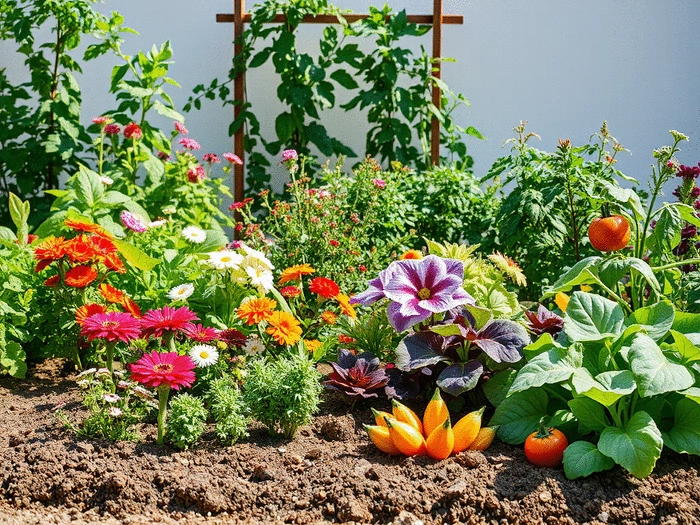
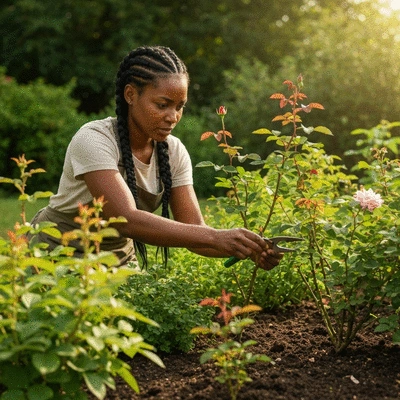
Gardener tending to plants in a sunny garden, showing lush greenery and healthy soil

Why Year-Round Gardening is Essential in These Zones

Year-round gardening in warm zones 9-11 isn’t just a possibility; it’s a rewarding practice that can lead to fresh produce and beautiful blossoms throughout the seasons. One of the main reasons to embrace this approach is to maximize your harvests. Imagine enjoying homegrown tomatoes in January or fresh herbs in December! Other benefits include:

  • Improved soil health through continuous planting and crop rotation
  • Extended growing seasons that allow for a diverse garden
  • Reduced chances of pest and disease outbreaks, as plants are rotated regularly

With a bit of planning, your garden can yield more than just seasonal crops; it can become a vibrant landscape that changes with the seasons, enriching your outdoor space!

Exploring Warm Climate Gardening Techniques for Zones 9-11

To successfully garden year-round in warm zones 9-11, it's crucial to adopt specific techniques that cater to the unique climate conditions. Here are some effective strategies that I've found invaluable in my own gardening journey:

  • Choose Heat-Resistant Varieties: Opt for plants that can withstand the high temperatures typical of these zones.
  • Focus on Mulching: A thick layer of mulch helps retain soil moisture and cools the root systems, allowing your plants to thrive even in the heat.
  • Implement Drip Irrigation: This efficient watering system delivers moisture directly to the roots, minimizing evaporation and maximizing hydration.

By utilizing these tailored techniques, you can create a thriving garden that stands up to the challenges of the warm climate, ensuring you can enjoy its beauty and bounty all year long. For more tips on maintaining plant health, explore our plant care tips for home gardeners.

Frequently Asked Questions (FAQs) About Year-Round Gardening in Zones 9-11

Q: What are the main characteristics of warm zones 9-11?

A: Warm zones 9-11 are characterized by mild winters (average coldest temperatures rarely below 20°F) and hot summers (often exceeding 90°F), with long growing seasons that allow for continuous cultivation.

Q: Why is year-round gardening particularly beneficial in these zones?

A: Year-round gardening in zones 9-11 allows for maximized harvests, improved soil health through continuous planting and crop rotation, extended growing seasons, and reduced pest and disease outbreaks due to regular plant rotation.

Q: What are some key techniques for successful year-round gardening in warm climates?

A: Essential techniques include choosing heat-resistant plant varieties, applying a thick layer of mulch to retain soil moisture and cool roots, and implementing drip irrigation for efficient water delivery directly to plant roots.

Q: How can I find out my specific gardening zone?

A: You can determine your specific gardening zone by using resources like the USDA Plant Hardiness Zone Map, which helps you choose plants suited for your local climate.

Q: Where can I find resources like planting calendars for my zone?

A: Websites like All American Gardeners offer printable planting calendars tailored to specific zones, providing monthly guides for vegetables, herbs, and flowers, along with care and maintenance tips.

Recap of Year-Round Gardening Strategies for Zones 9-11

As we wrap up our discussion on year-round gardening in warm Zones 9-11, it’s essential to remember the key strategies that can elevate your gardening game! By understanding the unique climate and growing conditions, you can maximize your yield and enjoy fresh produce throughout the year. Here’s a quick recap of what we've covered:

  • Embrace the climate: Recognize the benefits of your warm zone and plan accordingly.
  • Monthly planting calendars: Follow seasonal guides to ensure you're planting at the right times.
  • Soil health: Invest in quality soil and employ composting and mulching techniques.
  • Pest management: Utilize organic recipes and companion planting for sustainable control.
  • Diversity and resilience: Incorporate pollinator-friendly plants and explore edible landscaping.

Each of these strategies contributes to a thriving garden that can withstand the unique challenges of warm climates. By staying engaged and adapting to your garden's needs, you can create a vibrant space that brings joy to your table and your heart!

Key Takeaways for Successful Gardening Throughout the Year

Gardening in Zones 9-11 offers incredible opportunities, but it also comes with its own set of challenges. Here are a few key takeaways that can guide you through each season:

  • Plan for each season: Utilize a monthly planting calendar for timing your crops effectively.
  • Stay informed: Knowledge of your specific zone helps you choose the right plants for the right season.
  • Practice sustainability: Implement organic methods and techniques to encourage a healthy ecosystem.
  • Engage with community: Share experiences and learn from fellow gardeners in your area.

These takeaways not only reinforce the importance of planning but also emphasize the joy and community that gardening fosters. The more you connect with others who share your passion, the more you’ll learn and grow!

Close-up of fresh, ripe vegetables being harvested from a healthy garden bed

Engagement and Community: Sharing Your Gardening Journey

At All American Gardeners, we believe in the power of community! Sharing your gardening journey can not only inspire others but also provide valuable insights that deepen your understanding. I encourage you to connect with fellow gardeners, whether through social media, local gardening clubs, or community events. Sharing photos of your thriving plants, discussing challenges, and exchanging tips can be incredibly rewarding.

Here are some ways to engage with the gardening community:

  • Join online forums and groups: Platforms like Facebook, Reddit, and gardening-specific websites are great for connecting.
  • Participate in local gardening events: Attend workshops, plant swaps, or garden tours in your area.
  • Start a gardening blog or social media account: Document your gardening journey and share tips to inspire others!

Remember, gardening is not just about growing plants; it's about building relationships and learning together. Let’s cultivate a thriving community where we can all flourish!

Getting Started: Practical Tips and Resources

Now that you have a better grasp of year-round gardening strategies, let's dive into some practical tips and resources that can help you get started!

Accessing Printable Calendars and Guides for Your Zone

Having easy-to-follow resources at your fingertips can make all the difference in your gardening success. I highly recommend checking out our website, All American Gardeners, where you can find printable planting calendars tailored to your specific zone. These calendars include:

  • Monthly planting guides for vegetables, herbs, and flowers
  • Tips on care and maintenance for each type of plant
  • Seasonal reminders for soil preparation and pest control

With these resources, you can confidently plan your garden each month, ensuring that you always know what to plant and when!

Where to Find More Information and Community Support

For those seeking more detailed information about gardening and community support, there are many resources available. Consider exploring:

  • Gardening websites and blogs: Platforms like All American Gardeners offer comprehensive guides and articles.
  • YouTube channels: Many gardeners share valuable tips and tutorials through engaging video content.
  • Local extension services: Your local agricultural extension office can provide region-specific advice and workshops.

By tapping into these resources, you can deepen your knowledge and connect with others who share your passion for gardening! Consider learning about organic gardening tips for beginners to further enhance your skills.

Exploring Gardening Zones and Their Importance for Plant Selection

Understanding gardening zones is crucial for selecting the right plants for your garden. Zones are determined by climate, temperature ranges, and growing conditions, which guide gardeners in choosing plants that will thrive. Be sure to check your specific zone before selecting plants, as this can significantly impact their success.

Here are a few things to consider when exploring gardening zones:

  • Know your zone: Use resources like the USDA Plant Hardiness Zone Map to determine your specific zone.
  • Choose appropriate plants: Select varieties that are well-suited for your zone’s climate and conditions.
  • Adjust your gardening practices: Different zones may require unique care and maintenance techniques.

By understanding your gardening zone, you can make informed decisions that support healthy growth and a bountiful harvest!

Recap of Key Points

Here is a quick recap of the important points discussed in the article:
  • Embrace the climate: Recognize the benefits of your warm zone and plan accordingly.
  • Monthly planting calendars: Follow seasonal guides to ensure you're planting at the right times.
  • Soil health: Invest in quality soil and employ composting and mulching techniques.
  • Pest management: Utilize organic recipes and companion planting for sustainable control.
  • Diversity and resilience: Incorporate pollinator-friendly plants and explore edible landscaping.
  • Plan for each season: Utilize a monthly planting calendar for timing your crops effectively.
  • Stay informed: Knowledge of your specific zone helps you choose the right plants for the right season.
  • Practice sustainability: Implement organic methods and techniques to encourage a healthy ecosystem.
  • Engage with community: Share experiences and learn from fellow gardeners in your area.

Subscribe & Share
Building Your Vego Garden Beds Building Your Vego Garden Beds Have you ever thought about how your gardening choices impact both your plants and the environment?
Heat-Tolerant Plants for Southern Summers Heat-Tolerant Plants for Southern Summers As you prepare to cultivate your garden under the intense southern sun, consider this: the right str
Essential Tools for Drought Gardens Essential Tools for Drought Gardens What if I told you that the right watering tools could not only save you time but also help you save
Regional Organic Gardening Planting Guide Regional Organic Gardening Planting Guide In the world of organic gardening, timing can mean the difference between a flourishing garden and a
Plants That Keep Mosquitoes Away Plants That Keep Mosquitoes Away As the weather warms up, our outdoor spaces become targets for pesky mosquitoes. But what if you cou
Growing Onion Seeds at Home Growing Onion Seeds at Home Did you know that starting your garden with onion seeds can significantly enhance your culinary expe
Banner
All American Gardeners

Your premier online resource for mastering home gardening across the U.S. We empower American home gardeners with expert tips, step-by-step guides, and sustainable practices for thriving outdoor spaces.

Trusted by gardeners nationwide, our mission is to provide reliable, easy-to-follow insights backed by Clara M. Greene's extensive horticulture experience and practical advice.

Cultivate Your Garden
Recent Posts
Building Your Vego Garden Beds Building Your Vego Garden Beds

Have you ever thought about how your gardening cho

Heat-Tolerant Plants for Southern Summers Heat-Tolerant Plants for Southern Summers

As you prepare to cultivate your garden under the

Essential Tools for Drought Gardens Essential Tools for Drought Gardens

What if I told you that the right watering tools c

Gardening Wisdom from All American Gardeners