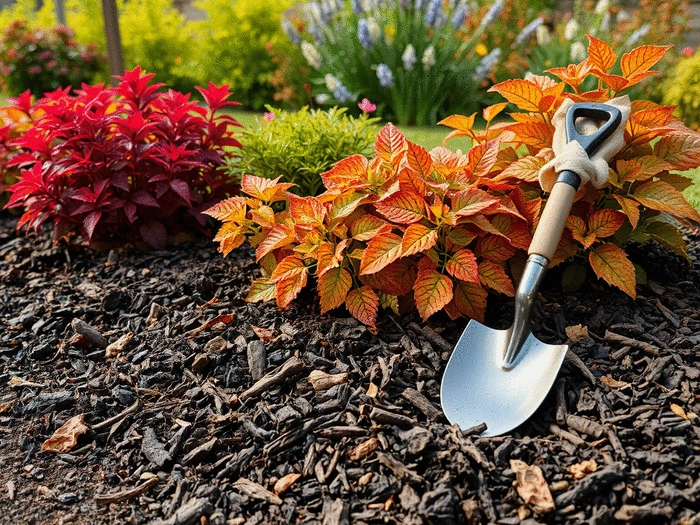
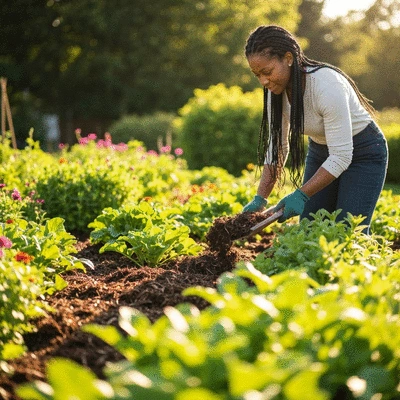
What if a simple practice could transform your garden into a thriving ecosystem? Mulching not only beautifies your space but also brings countless benefits to your plants and the environment.
What You Will Learn
Mulch retains soil moisture, reducing the need for frequent watering.
Effective weed suppression achieved through a layer of mulch prevents weed growth.
Organic mulches improve soil health by decomposing and enriching the soil with nutrients.
Mulch regulates soil temperature, protecting plant roots from extreme weather.
Different types of mulch (organic vs. inorganic) serve specific gardening needs and aesthetics.
Proper mulching practices contribute to sustainable gardening and reduce environmental impact.
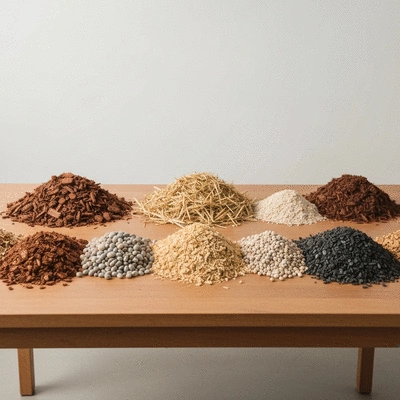
Mulch Type Comparison: Organic vs. Inorganic
This comparison highlights the key differences between organic and inorganic mulches to help you choose the best option for your garden's needs. Understanding these differences is crucial for maximizing the effectiveness of your mulching efforts and ensuring your plants thrive. For more insights into fostering a healthy garden, consider exploring healthy soil for thriving gardens.
Organic Mulch
Advantages:
Nutrient-rich, improves soil quality
Enhances soil microorganisms
Biodegradable, contributes to soil structure
Better temperature regulation
Disadvantages:
Requires replenishing annually
Can attract pests if not properly managed
May be more expensive initially depending on type
Inorganic Mulch
Advantages:
Long-lasting, low maintenance
Excellent for pathways or garden edges
Prevents weed growth effectively
No decomposition, consistent appearance
Disadvantages:
May not improve soil health
Can absorb and radiate heat
Does not add nutrients to the soil
Understanding Mulching: Benefits for Your Garden
As a passionate gardener, I can’t stress enough the importance of mulching—it’s one of those gardening practices that pays off immensely! Mulch serves multiple purposes, enhancing your garden's health while also simplifying your maintenance tasks. Let’s dive into its key advantages.
Key Advantages of Using Mulch
Moisture Retention: Mulch helps the soil retain moisture, reducing the need for frequent watering.
Weed Suppression: A layer of mulch effectively blocks sunlight from reaching weed seeds, keeping them at bay.
Soil Health Enhancement: Organic mulches decompose over time, enriching the soil with nutrients.
By covering the soil, mulch acts like a protective blanket. It helps keep the moisture locked in, especially during those hot summer months. Not only does this save water, but it also means your plants can focus on growing rather than struggling to survive!
How Mulch Affects Soil Temperature and Plant Growth
You might be surprised to learn that mulch plays a significant role in regulating soil temperature. It acts as an insulator, keeping the soil cooler in the summer and warmer during the winter. This stabilization helps plants thrive in varying weather conditions.
For instance, when the ground freezes, mulch can protect sensitive roots, preventing frost damage. Conversely, during scorching days, it keeps the soil cool, allowing your plants to absorb water and nutrients more effectively. Isn’t that amazing? For more information on protecting your plants from extreme temperatures, check out our guide on winter plant care in cold zones.
The Role of Mulch in Enhancing Soil Microorganisms
Mulch isn’t just beneficial for your plants; it significantly contributes to the soil ecosystem as well. Different types of mulch, particularly organic options, create a habitat for beneficial microorganisms that enrich the soil. These little helpers break down organic matter, releasing nutrients that your plants can absorb.
By fostering a healthy ecosystem, mulch not only feeds your plants but also promotes biodiversity in your garden. This balance is essential for a thriving garden! So, think of mulch as a nurturing partner in your gardening journey.
Types of Mulch: Which One is Right for You?
With various mulch types available, you might wonder which one suits your garden best. Let’s explore the options!
Organic Mulch Options: Benefits and Examples
Pine Bark: Great for moisture retention and good for acid-loving plants.
Hardwood Mulch: A durable option that breaks down slowly, enriching the soil over time.
Cypress Mulch: Naturally resistant to decay, making it a long-lasting choice.
Organic mulches are fantastic because they not only improve soil health but also add a natural beauty to your garden. Just imagine a fresh layer of pine bark framing your flower beds—it’s visually appealing and functional!
Inorganic Mulch: When and Why to Use It
Inorganic mulches, such as stones or rubber, offer some unique advantages. These materials are long-lasting and excellent for areas where moisture control is less of a concern. For example, they can be a great choice for pathways or garden edges.
Using inorganic mulch can reduce the need for regular replenishing, saving you time and effort. However, make sure to consider your garden’s specific needs before opting for this type!
Comparing Mulch Types: Advantages and Disadvantages
Mulch Type
Advantages
Disadvantages
Organic
Nutrient-rich, improves soil quality
Requires replenishing annually
Inorganic
Long-lasting, low maintenance
May not improve soil health
When choosing the right mulch, it’s crucial to weigh these factors based on your garden’s needs. Remember, the right mulch can transform your gardening experience and lead to healthier plants!
Frequently Asked Questions About Mulching
What are the primary benefits of mulching?
Mulching offers several key benefits, including retaining soil moisture, suppressing weed growth, enhancing soil health by adding nutrients, regulating soil temperature, and supporting beneficial soil microorganisms.
What is the difference between organic and inorganic mulch?
Organic mulches (like pine bark, hardwood, or cypress mulch) decompose over time, enriching the soil with nutrients and improving soil structure. Inorganic mulches (like stones or rubber) are long-lasting, require less maintenance, and do not decompose, but they don't add nutrients to the soil.
How does mulch help with soil temperature regulation?
Mulch acts as an insulator, keeping the soil cooler in summer by reflecting sunlight and warmer in winter by trapping heat. This helps protect plant roots from extreme temperature fluctuations.
How often should organic mulch be replenished?
Organic mulches typically need to be replenished annually as they decompose and integrate into the soil, providing continuous nutrient enrichment.
Can mulch attract pests?
If not properly managed, some organic mulches can attract pests. It's important to apply mulch at the correct thickness and avoid piling it against plant stems or tree trunks to minimize this risk.
Is mulching considered a sustainable gardening practice?
Yes, mulching is a cornerstone of sustainable gardening. It reduces water usage, minimizes the need for chemical herbicides and fertilizers, improves soil structure, and promotes biodiversity.
We Want to Hear From You!
What do you think about the benefits of mulching in your garden? Share your thoughts in the poll below:
Summarizing Key Mulching Insights for Your Garden
As we wrap up our exploration of mulching, let’s take a moment to recap the best practices we've discussed. We’ve learned that mulching offers numerous benefits, including moisture retention, weed suppression, and improved soil health. From organic options like straw and bark to inorganic materials such as gravel and rubber, there’s a mulch type suited for every gardener’s needs. Additionally, seasonal techniques help maintain mulch effectiveness throughout the year, ensuring your garden thrives.
Moisture retention keeps plants hydrated!
Weed suppression reduces competition for nutrients.
Improved soil health enhances plant growth and resilience.
Seasonal techniques adapt to changing weather conditions.
By applying these practices, you’ll create a thriving garden environment that supports your plants!
Encouraging Sustainable Gardening Through Proper Mulching
Mulching isn’t just beneficial for your garden; it’s a cornerstone of sustainable gardening practices. By using organic mulches, you contribute to a healthy ecosystem. These materials break down over time, enriching the soil and promoting the growth of beneficial microorganisms. At All American Gardeners, we believe that by nurturing the soil, you’re also nurturing our planet!
Consider these sustainable benefits of mulching:
Reduction of water usage through moisture retention.
Minimization of chemical herbicides and fertilizers.
Improvement of soil structure and fertility.
Embracing sustainable practices not only helps your garden flourish but also safeguards our environment for future generations.
The Environmental Impact of Mulching Practices
When we think about gardening, we often focus on the beauty of our plants, but it’s equally important to consider the environmental impact of our practices. Proper mulching contributes significantly to eco-friendly gardening by reducing waste and promoting biodiversity. By using locally-sourced materials, you can lower your carbon footprint and support sustainable industries. For more ways to garden sustainably, explore organic gardening tips for beginners.
Here are some ways mulching positively affects the environment:
Reduces soil erosion and runoff.
Enhances biodiversity by providing habitats for beneficial insects.
Improves air quality through reduced dust and pollutants.
Ultimately, by adopting effective mulching practices, you’re taking a proactive step towards protecting our planet while enjoying the beauty of your garden!
Next Steps for Your Gardening Journey
Implementing Your Mulching Plan
Now that you’re well-versed in the benefits and techniques of mulching, it’s time to put your plan into action. Consider your garden’s unique characteristics, such as the plants you’re growing and your specific hardiness zone. Take some time to identify the right mulch types that will work best for your space and seasonal climate.
Remember to:
Choose the right mulch type based on your garden's needs.
Plan your mulching strategy according to seasonal changes.
Regularly assess and maintain your mulch for optimal results.
With a thoughtful mulching approach, you’ll set your garden up for success! To further enhance your garden's foundation, consider learning about the benefits of raised garden beds.
Join the Community: Share Your Mulching Success
We’d love to hear about your mulching experiences! Have you tried a new type of mulch or a technique that worked wonders for your garden? Share your stories and photos in the comments below or connect with us on social media. At All American Gardeners, we’re passionate about cultivating a community of gardeners who inspire and support each other. Let’s grow together!
Recap of Key Points
Here is a quick recap of the important points discussed in the article:
Moisture Retention: Mulch helps keep soil hydrated, reducing the need for frequent watering.
Weed Suppression: A layer of mulch blocks sunlight, preventing weed growth.
Soil Health Enhancement: Organic mulches decompose, enriching the soil with nutrients.
Temperature Regulation: Mulch insulates soil, keeping it cooler in summer and warmer in winter.
Support for Soil Microorganisms: Organic mulches create habitats for beneficial microorganisms that improve soil quality.
Choosing the Right Type: Selecting mulch based on your garden’s needs is essential for optimal results.
Subscribe & Share
2026-08-28
Growing Herbs with Hydroponics
Why settle for store-bought herbs when you can grow your own at home, in any space? Hydroponic garde
2026-08-27
Growing Sweet Corn from Seeds
Ready to transform your gardening experience? Selecting the right sweet corn seeds can make all the
Growing Your Own Garlic Bulbs
As you prepare to embark on your journey of growing garlic, consider this: garlic cultivation isn't
All American Gardeners
Your premier online resource for mastering home gardening across the U.S. We empower American home gardeners with expert tips, step-by-step guides, and sustainable practices for thriving outdoor spaces.
Trusted by gardeners nationwide, our mission is to provide reliable, easy-to-follow insights backed by Clara M. Greene's extensive horticulture experience and practical advice.