Cultivate Your Best Garden!

Join Clara M. Greene's community for expert tips and seasonal guides tailored for American gardeners.

Summer Vegetables for Zones 6-8


Summer Vegetables for Zones 6-8

Posted on: 2026-03-19
By: Clara M. Greene


As summer approaches, gardeners in USDA Zones 6-8 have a unique opportunity to cultivate vibrant vegetables that thrive in the heat. What makes summer planting special? It's not just the flavors; it's the joy of gardening and the sense of accomplishment that comes with a fruitful harvest!

What You Will Learn

  • Summer vegetables are quick to grow, allowing for a bountiful harvest in a short time.
  • Understanding USDA zones 6-8 is crucial for selecting the right crops for your garden.
  • Soil preparation, including testing pH and adding organic matter, is essential for healthy plants.
  • Timing your planting and following local frost dates can maximize your vegetable yield during summer.

Summer Gardening Success Factors in Zones 6-8

Key factors for successful summer planting in USDA Zones 6-8, including temperature ranges and crucial preparation steps for maximizing yield. Understanding your specific USDA hardiness zone is the first step toward a thriving garden.

USDA Zone Temperature Ranges

Zone 6: 0°F to 10°F
Zone 7: 10°F to 20°F
Zone 8: 20°F to 30°F

Soil Preparation Steps

  • Test Your Soil
  • Add Organic Matter
  • Ensure Proper Drainage
  • Warm the Soil

Timing for Maximum Yield

  • Follow Local Frost Dates
  • Succession Planting
  • Use Transplants
  • Monitor Weather Patterns

Understanding Summer Planting in Zones 6-8

As summer approaches, it's an exciting time for gardeners in USDA Zones 6-8! I love diving into summer planting because it opens up a world of vibrant vegetables and delicious flavors. But why should you choose summer vegetables for your garden? Let’s explore this together!

Why Choose Summer Vegetables for Your Garden?

Summer vegetables are not just tasty; they're also ideal for maximizing your garden space during the warm months. They tend to thrive in warmth and can produce abundant yields in a relatively short time. By planting summer crops, you can enjoy fresh produce right from your backyard. Isn’t that a rewarding thought?

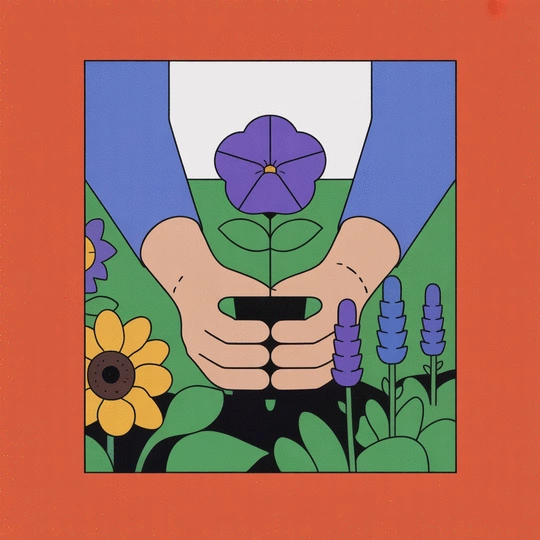
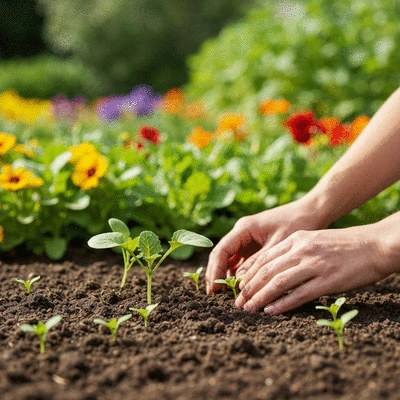
Close-up of a gardener's hands tending to small, healthy vegetable plants in rich soil, with a blurred background of a vibrant summer garden.
  • Summer vegetables grow quickly, giving you a bountiful harvest.
  • They are perfect for grilling and other summer dishes.
  • Many summer crops are heat-tolerant, making them suitable for warmer regions.

Plus, summer planting allows you to engage with your garden in a way that feels dynamic and fulfilling. You can experiment with different varieties and enjoy the fruits of your labor throughout the season!

Defining USDA Zones 6-8: What You Need to Know

Understanding your USDA zone is crucial for successful gardening! Zones 6-8 encompass a diverse range of climates across the United States. Here’s a quick breakdown of these zones:

  • Zone 6: Average minimum winter temperatures range from 0°F to 10°F. This zone experiences a longer growing season.
  • Zone 7: Average minimum winter temperatures range from 10°F to 20°F. It's known for milder winters and warm summers.
  • Zone 8: Average minimum winter temperatures range from 20°F to 30°F. This zone has hot summers and is ideal for a wide variety of plants.

Knowing your zone can help you select the right vegetables for your garden. For example, zones 6-8 are perfect for growing heat-loving crops like tomatoes and peppers! Remember, each zone has its own quirks, so be sure to tailor your gardening practices accordingly. For more information on plant care tailored to your region, explore our plant care tips for home gardeners.

Top Heat-Tolerant Vegetables for Summer Success

Now that we have a sense of summer planting in our specific zones, let’s jump into some of the best heat-tolerant vegetables to grow during the summer months!

We Want to Hear From You!

What do you think about summer planting in your zone? Have you had success with any particular vegetables or tips you'd like to share? Let us know your thoughts below:

Frequently Asked Questions About Summer Planting in Zones 6-8

Here are some common questions about summer gardening in USDA Zones 6-8:

  • What are the best vegetables to plant in summer for Zones 6-8?

    Heat-tolerant vegetables like tomatoes, peppers, corn, beans, and squash thrive in Zones 6-8 during summer. These crops enjoy warm temperatures and prolonged sunshine.

  • How do I prepare my soil for summer planting?

    Start by testing your soil for pH and nutrient levels. Incorporate organic matter like compost or well-rotted manure, ensure good drainage, and consider warming the soil with black plastic a few weeks before planting.

  • When should I plant my summer vegetables in Zones 6-8?

    Plant after your area's last frost date, typically around late May for Zones 6-8. Monitoring local weather patterns and following a succession planting schedule can help maximize your yield.

  • What are the temperature ranges for USDA Zones 6, 7, and 8?

    Zone 6: 0°F to 10°F; Zone 7: 10°F to 20°F; Zone 8: 20°F to 30°F (average minimum winter temperatures).

  • Why is understanding my USDA zone important for gardening?

    Knowing your USDA zone helps you select plants that are best suited to your local climate, ensuring they can withstand winter temperatures and thrive during the growing season.

Preparing for a Thriving Summer Garden

As summer approaches, it's essential to set your garden up for success! Proper soil preparation and understanding temperature considerations can make a world of difference in your growing experience. Let’s explore how to create the best environment for your summer vegetables.

Soil Preparation and Temperature Considerations

Before planting, ensuring your soil is in top condition is crucial. Healthy soil leads to healthy plants, and here are some steps to get you started:

  • Test Your Soil: Use a soil testing kit to understand pH and nutrient levels.
  • Add Organic Matter: Incorporate compost or well-rotted manure to improve soil fertility, a key step for healthy soil for thriving gardens.
  • Ensure Proper Drainage: Make sure your soil drains well to prevent root rot.
  • Warm the Soil: If possible, cover your garden area with black plastic a few weeks before planting to warm the soil.

Temperature plays a significant role in the success of your garden. Most summer vegetables thrive at temperatures between 70°F and 90°F. Ensure you plant after the last frost date for your zone, usually around late May for Zones 6-8.

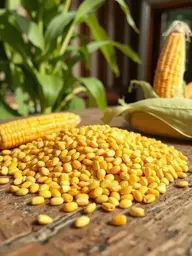
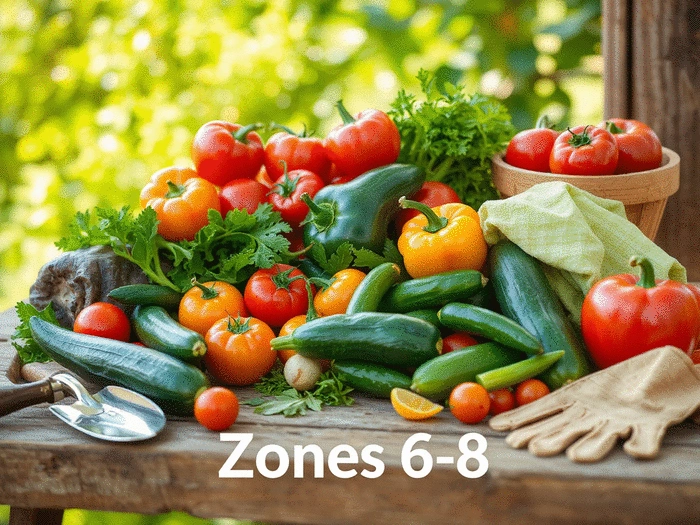
Assortment of freshly harvested summer vegetables like tomatoes, peppers, and corn, laid out on a rustic wooden table, with a garden in the background.

Timing Your Planting for Maximum Yield

Success in gardening often comes down to timing! When you plant your seeds or transplants can greatly impact your yield. Here are some practical tips to help with your timing:

  • Follow Local Frost Dates: Be aware of your area’s last frost date and plan your planting accordingly.
  • Succession Planting: Plant new crops every few weeks for a continuous harvest throughout summer.
  • Use Transplants: Starting your vegetables indoors or purchasing transplants can give you a head start on the growing season.
  • Monitor Weather Patterns: Be ready to adjust your planting schedule based on unexpected temperature changes.

By following these guidelines, you can enjoy a bountiful summer garden filled with delicious vegetables! At All American Gardeners, we believe that a little planning goes a long way in ensuring that your garden thrives.

Recap of Key Points

Here is a quick recap of the important points discussed in the article:
  • Summer vegetables thrive in warm temperatures, maximizing garden space for bountiful harvests.
  • Understanding your USDA zone (6-8) helps in selecting the right plants, such as heat-loving tomatoes and peppers.
  • Proper soil preparation is crucial; test soil health, add organic matter, and ensure good drainage for successful growth.
  • Timing your planting, including awareness of local frost dates and employing succession planting, can enhance your yield.
  • Engaging with your garden through experimentation and care can lead to a rewarding summer gardening experience.

Subscribe & Share
Building Your Vego Garden Beds Building Your Vego Garden Beds Have you ever thought about how your gardening choices impact both your plants and the environment?
Heat-Tolerant Plants for Southern Summers Heat-Tolerant Plants for Southern Summers As you prepare to cultivate your garden under the intense southern sun, consider this: the right str
Essential Tools for Drought Gardens Essential Tools for Drought Gardens What if I told you that the right watering tools could not only save you time but also help you save
Regional Organic Gardening Planting Guide Regional Organic Gardening Planting Guide In the world of organic gardening, timing can mean the difference between a flourishing garden and a
Plants That Keep Mosquitoes Away Plants That Keep Mosquitoes Away As the weather warms up, our outdoor spaces become targets for pesky mosquitoes. But what if you cou
Growing Onion Seeds at Home Growing Onion Seeds at Home Did you know that starting your garden with onion seeds can significantly enhance your culinary expe
Banner
All American Gardeners

Your premier online resource for mastering home gardening across the U.S. We empower American home gardeners with expert tips, step-by-step guides, and sustainable practices for thriving outdoor spaces.

Trusted by gardeners nationwide, our mission is to provide reliable, easy-to-follow insights backed by Clara M. Greene's extensive horticulture experience and practical advice.

Cultivate Your Garden
Recent Posts
Building Your Vego Garden Beds Building Your Vego Garden Beds

Have you ever thought about how your gardening cho

Heat-Tolerant Plants for Southern Summers Heat-Tolerant Plants for Southern Summers

As you prepare to cultivate your garden under the

Essential Tools for Drought Gardens Essential Tools for Drought Gardens

What if I told you that the right watering tools c

Gardening Wisdom from All American Gardeners