Understanding Frost Dates by Zone
Posted on: 2026-03-26
By: Clara M. Greene
Understanding frost dates can transform your gardening experience, helping you avoid unexpected losses and maximizing your garden's potential. Have you ever wondered how the timing of frost affects your plants? Let's explore the essential insights that can make your gardening journey more successful!
What You Will Learn
- First and Last Frost Dates: Knowing these dates helps you plan your planting schedule effectively, ensuring your tender plants are protected from cold temperatures.
- Statistical Analysis: Frost dates are often determined using the 50% probability rule, allowing gardeners to make informed decisions based on historical weather data.
- USDA Hardiness Zones: Understanding your hardiness zone influences which plants will thrive in your area and helps predict frost dates more accurately.
- Improved Resource Management: By recognizing frost dates, you can manage irrigation and other gardening resources more effectively, enhancing your garden's productivity.
Understanding Key Frost Dates for Garden Planning
Knowing your local frost dates is essential for a thriving garden. This visual summarizes the critical definitions and a key rule for determining these dates. For a deeper dive into climate-based gardening, consider exploring USDA Hardiness Zones Explained.
First Frost Date
Marks the earliest time in late fall when temperatures are expected to drop low enough to cause frost. Signals garden cleanup and winter preparation.
Last Frost Date
Indicates when frost-causing temperatures are likely to end in early spring. Essential for knowing when to plant sensitive seedlings.
50% Probability Rule
Frost dates are determined by historical data, indicating a 50% chance of frost occurring on a specific date. This helps in data-driven planning.
USDA Hardiness Zones
Categorize regions by climate and minimum temperatures, directly influencing frost dates and plant selection.
Understanding Frost Dates and Their Importance in Gardening
As gardeners, we often find ourselves excitedly planning for each new growing season. However, understanding frost dates is crucial for your gardening success! Frost dates mark the transition period in which tender plants can be harmed by cold temperatures. Knowing these dates can help you make informed decisions about what to plant and when.
Frost dates largely depend on the climate in your area, so it's vital to be aware of both the first frost and last frost dates for your specific region. By planning accordingly, you can maximize your garden's potential and avoid the heartache of losing your hard-earned plants to unexpected frost.
Defining Frost Dates: What They Mean for Your Garden
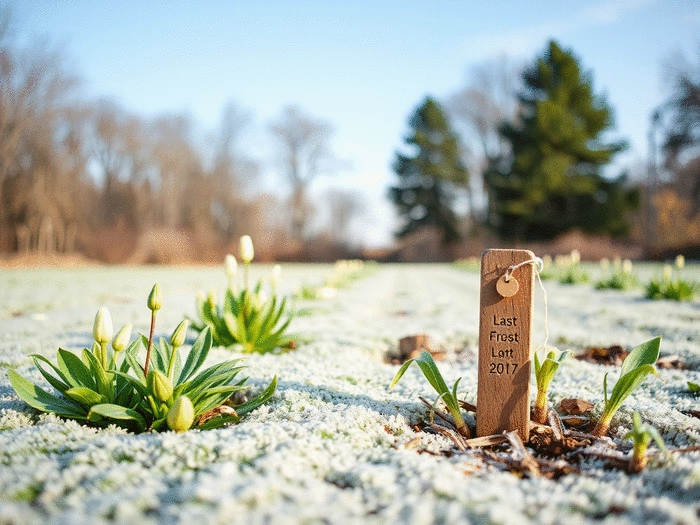
Frost dates can be viewed in two key categories: first frost dates and last frost dates. The first frost date marks the earliest time in the fall when temperatures are expected to drop low enough to cause frost, while the last frost date indicates when such temperatures are likely to end in the spring.
- First Frost Date: Typically occurs in late fall, signaling garden cleanup and preparation for winter.
- Last Frost Date: Usually falls in early spring, indicating when it’s safer to start planting your warm-season crops.
By understanding the timing of these dates, you can plan your planting schedule effectively. Remember, your garden's health may depend on staying a step ahead of frost! For more tips on managing your garden throughout the year, check out our Year-Round Plant Care Guide.
First Frost Dates vs. Last Frost Dates
Let’s delve a bit deeper. The first frost date is a signal that it’s time to wrap up your gardening activities for the year. If you have tender plants that won’t survive the cold, it’s wise to cover or move them indoors. Conversely, the last frost date marks the beginning of a new gardening season. It’s essential to wait until after this date to plant sensitive seedlings.
For those of us at All American Gardeners, knowing these dates is part of what empowers us to cultivate vibrant gardens year after year! By keeping track of these dates, you can ensure a thriving garden that transitions smoothly through the seasons.
How Frost Dates are Determined: The 50% Probability Rule
Frost dates are generally determined through statistical analysis and historical weather data. The most common method is the 50% probability rule, which indicates the chance that frost will occur on a specific date. This means that if an area has a 50% chance of experiencing frost on a given day, this date is considered the first or last frost date.
Understanding this concept allows you to make data-driven decisions regarding your planting schedule! For instance, if your area’s last frost date is around April 15, it may be best to wait until the following week to plant your warm-weather crops.
The Role of USDA Hardiness Zones in Frost Prediction
USDA Hardiness Zones are an essential tool in gardening! These zones categorize regions based on their climate and average annual minimum temperatures, which directly affect frost dates. Knowing your hardiness zone can help you understand which plants will thrive in your particular area.
- Zone 1: Extremely cold, with average annual minimum temperatures below -60°F.
- Zone 10: Extremely warm, with average annual minimum temperatures above 30°F.
- Zone 6: Ideal for a vast array of plants, with minimum temperatures ranging from -10°F to 0°F.
At All American Gardeners, we believe that knowing your USDA Hardiness Zone is key to successfully navigating frost dates and choosing the right plants for your garden!
What Are USDA Hardiness Zones?
The USDA Hardiness Zones were designed to help gardeners determine which plants are most likely to flourish in their area based on climate. Each zone represents a range of temperatures, allowing you to match plants to your garden’s conditions. Understanding where you fall on this scale can be the difference between a thriving garden and one that struggles to survive!
For example, if you live in a Zone 7 region, you can plant a variety of vegetables and flowers that may not be suitable for those in colder zones. This knowledge empowers gardeners to make the best choices for their specific climates.
How Zones Affect Frost Dates Across Different Regions
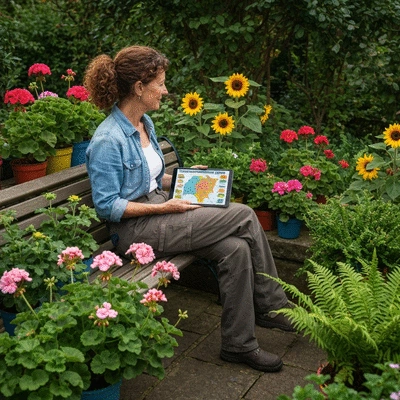
Each USDA Hardiness Zone can influence the expected frost dates significantly. Warmer zones generally have a longer growing season, while colder zones may have shorter periods to plant. For instance, gardeners in warmer regions might find that their last frost date comes earlier, allowing them to start planting sooner.
As I often share with fellow gardeners, understanding your zone not only helps with frost dates but also assists in selecting plants that can withstand your local climate. This way, you can avoid potential disappointments! For more information on plant selection, refer to our guide on Low-Maintenance Plants by USDA Zone.
Understanding Frost Zones and Their Impact on Gardening
Frost zones, which are derived from the USDA Hardiness Zones, specifically focus on the likelihood of frost occurring during various times of the year. This information is invaluable for making decisions about planting and protecting your garden.
By correlating your frost dates with your hardiness zone, you can select the best crops to grow and understand when to take protective measures. This knowledge arms you with the confidence to make the right choices for your garden!
Frequently Asked Questions About Frost Dates
What are "frost dates" and why are they important for gardeners?
Frost dates refer to the estimated first and last occurrences of frost in a given area. They are crucial for gardeners because they help determine when to plant temperature-sensitive crops (after the last frost) and when to protect or harvest tender plants before cold temperatures set in (before the first frost).
What is the difference between the "first frost date" and the "last frost date"?
The first frost date is the average date in late fall or early winter when temperatures are expected to drop low enough to cause frost, signaling the end of the growing season for many plants. The last frost date is the average date in early spring when the danger of frost has passed, indicating it's generally safe to plant sensitive seedlings outdoors.
How are frost dates determined?
Frost dates are typically determined through statistical analysis of historical weather data, often using the "50% probability rule." This means the date given has a 50% chance of experiencing frost, providing a data-driven guide for gardeners.
What are USDA Hardiness Zones and how do they relate to frost dates?
USDA Hardiness Zones categorize regions based on their average annual minimum winter temperatures. While not directly frost dates, these zones provide a general guide for which plants can survive the winter in a particular area, indirectly influencing the length of the growing season and thus the general timing of frost events.
What can I do to protect my plants from unexpected frost?
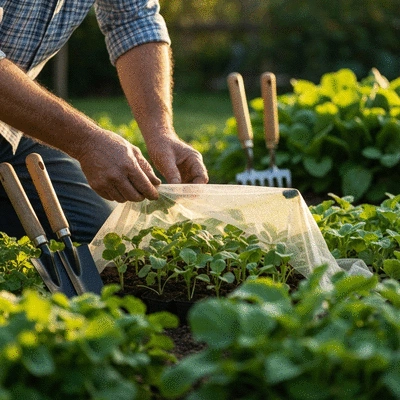
To protect plants from unexpected frost, you can use methods such as covering tender plants with row covers, old sheets, or blankets; bringing potted plants indoors; or applying a thick layer of mulch around plant bases to insulate the soil and roots. Watering plants before a frost can also help as moist soil retains heat better than dry soil.
We Want to Hear From You!
What strategies do you use to protect your garden from frost? Share your thoughts below:
Concluding Insights on Frost Dates and Gardening Success
As we wrap up our discussion on frost dates, it’s clear that understanding these critical dates is essential for every gardener! Having a solid grasp of frost dates can dramatically enhance your gardening experience, providing a foundation for planning and nurturing your plants effectively.
By knowing when to expect the first and last frost, you can make informed decisions about what to plant and when. This knowledge allows for more successful growing seasons and helps in preventing those frustrating surprises that come with unexpected frosts!
Summarizing the Importance of Understanding Frost Dates
So, why is knowledge of frost dates so vital? Here are a few reasons:
- Improved Planting Timing: Planting at the right time ensures that your plants have the best chance of thriving.
- Enhanced Crop Yield: By avoiding frost damage, you can maximize your garden's productivity.
- Better Resource Management: Understanding frost dates helps in planning irrigation and other gardening resources more efficiently.
With these insights, you can cultivate a garden that not only looks beautiful but also flourishes season after season. Embracing the significance of frost dates is a step towards becoming a more confident gardener!
Call to Action: Equip Yourself for Gardening Success
Now, let’s get into action! Here are some practical steps you can take to equip yourself for gardening success:
- Utilize Online Tools: Access frost date calculators and regional gardening resources to predict your specific frost dates tailored to your location.
- Join Gardening Communities: Connect with fellow gardeners in online forums or local clubs to share experiences, tips, and strategies.
- Incorporate Effective Crop Protection: Familiarize yourself with methods to protect your plants, such as row covers and mulching, to shield them from unexpected frosts. A great place to start is by learning about Effective Natural Pest Control Tips, which often go hand-in-hand with plant protection.
By taking these steps, you will not only enhance your gardening knowledge but also build a thriving community around your passion. Let’s make those gardens bloom with confidence, shall we? Happy gardening from all of us at All American Gardeners! 🌱
Recap of Key Points
Here is a quick recap of the important points discussed in the article:
- Understand Frost Dates: Knowing the first and last frost dates for your area is essential for successful gardening.
- Plan Your Planting: Timing your planting schedule around frost dates can enhance plant health and productivity.
- Utilize USDA Hardiness Zones: Understanding your hardiness zone helps in selecting plants that thrive in your climate.
- Employ Protective Measures: Use strategies like row covers and mulching to protect plants from unexpected frost.
- Leverage Online Tools: Utilize frost date calculators and gardening resources tailored to your location for better planning.
 Why settle for store-bought herbs when you can grow your own at home, in any space? Hydroponic garde
 Ready to transform your gardening experience? Selecting the right sweet corn seeds can make all the
 Imagine harvesting juicy, flavorful tomatoes while actively contributing to sustainable agriculture.
 What if I told you that the secret to growing robust rosemary lies in the soil beneath your feet? Un
 Have you ever wondered how innovative techniques in gardening can reshape our food production? Hydro
 As you prepare to embark on your journey of growing garlic, consider this: garlic cultivation isn't