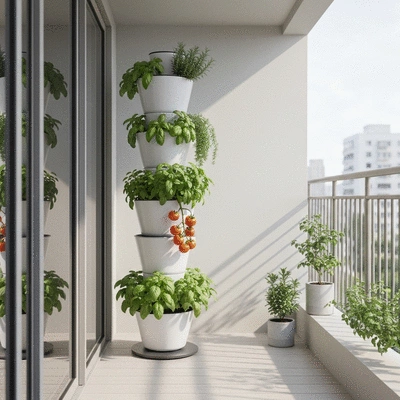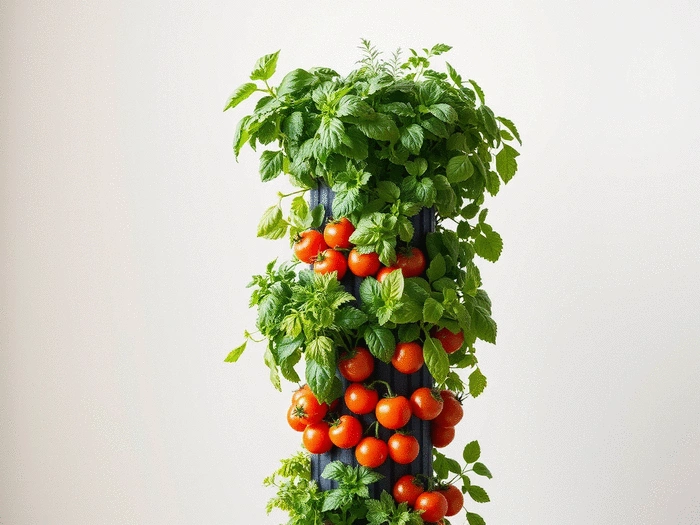
Stackable Planters
📊
Space Efficiency: High – uses vertical space.
👋
Accessibility: Easy – plants are at eye level.
🛠️
Maintenance: Moderate – requires regular monitoring.
Join Clara M. Greene's community for expert tips and seasonal guides tailored for American gardeners.
Posted on: 2026-04-23
By: Clara M. Greene
Did you know that vertical gardening can significantly increase your plant yield in limited spaces? Discover the secrets of maximizing your urban gardening potential through plant towers!
Understanding the differences between popular plant tower options can help you make an informed decision for your urban garden. For more comprehensive guidance, you might find our article on choosing the right gardening seeds helpful. See the comparison below to find your perfect fit.
Space Efficiency: High – uses vertical space.
Accessibility: Easy – plants are at eye level.
Maintenance: Moderate – requires regular monitoring.
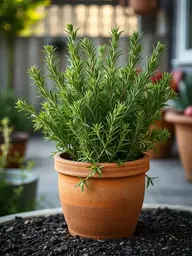
Space Efficiency: Low – requires more horizontal area.
Accessibility: Varies – depends on height and placement.
Maintenance: Moderate – also needs upkeep.
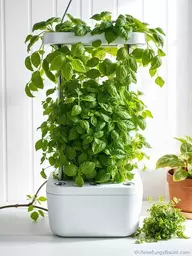
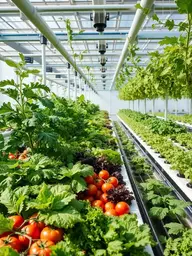
Method: Nutrient-rich water, no soil.
Growth Rate: Faster growth rates possible.
Best For: Leafy greens and herbs.
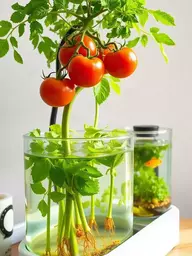
Method: Misting roots with nutrient solutions.
Growth Efficiency: Enhanced growth efficiency.
Best For: Robust plants with minimal resources.
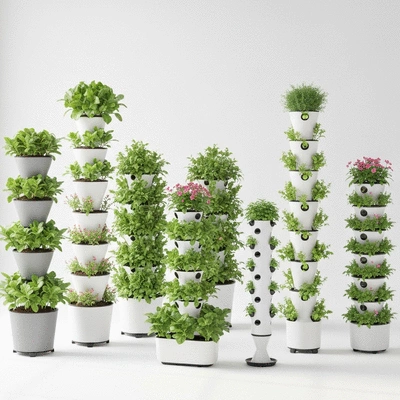
As a passionate gardener, I always look for innovative ways to maximize my gardening space—especially in urban settings. Plant towers are a wonderful solution for those of us with limited garden space. They allow you to grow a variety of plants vertically, making the most out of every inch of your urban garden!
These vertical gardening systems are designed to hold multiple plants in a compact structure, which can be particularly beneficial for city dwellers. By understanding how plant towers work, we can unlock their full potential for creating thriving gardens in smaller areas.
A plant tower is essentially a vertical structure that supports plants at various levels, allowing them to grow upwards rather than outwards. This is ideal for limited spaces where traditional gardening might be challenging. Most plant towers are designed with a series of pockets or shelves where the plants can root and thrive. To further enhance your gardening knowledge, consider exploring our guide on plant care tips for home gardeners.
Incorporating a plant tower into your gardening routine could transform your approach to growing food in urban areas. Plus, they can look quite attractive on a balcony or patio!
One of the biggest challenges urban gardeners face is limited space. Vertical gardening systems like plant towers offer a unique solution by utilizing vertical space rather than horizontal. This approach not only saves ground space but also can yield more produce per square foot!
Imagine filling a small balcony with herbs and vegetables just a few feet tall! You’ll not only save space but also enjoy the beauty of your green sanctuary.
For those interested in advanced gardening techniques, hydroponic and aeroponic plant towers offer exciting possibilities. Hydroponics uses nutrient-rich water instead of soil, while aeroponics involves misting plant roots with nutrient solutions. Both methods can lead to faster growth rates and higher yields!
These systems may require a bit more investment and setup time, but they can be incredibly rewarding for urban gardeners looking to explore new methods!
Not only do plant towers allow us to grow fresh produce, but they can also play a vital role in improving indoor air quality. Plants naturally filter pollutants and increase oxygen levels, making our living spaces healthier. Incorporating indoor plants into your plant tower setup is a fantastic way to enhance your home's environment! If you're new to gardening, check out our organic gardening tips for beginners to get started.
By integrating plant towers into your indoor spaces, you not only cultivate a thriving garden but also create a better living environment for yourself and your family.
As we explore the world of plant towers, we’d love to know: What type of plants are you most excited to grow in your vertical garden? Let us know your preference!
When it comes to urban gardening, selecting the ideal plant tower can make all the difference! At All American Gardeners, we understand that with so many options available, it can feel overwhelming to choose the right one. That's why I've compiled some essential insights to help you navigate your choices.
First, consider what you want to grow and how much space you have. This will guide you in determining the most suitable type of plant tower for your specific needs. Here are some factors to think about:
By reflecting on these factors, you can ensure that your plant tower fits seamlessly into your lifestyle and gardening goals!
Let’s dive deeper into the world of plant towers! There are several popular options on the market, each with its unique advantages and disadvantages. Understanding these can help you make an informed decision.
Whether you prefer stackable planters for their convenience or hydroponic towers for their innovative approach, there's a perfect fit for every gardener!
| Feature | Stackable Planters | Traditional Pots |
|---|---|---|
| Space Efficiency | High - uses vertical space | Low - requires more horizontal area |
| Accessibility | Easy - plants are at eye level | Varies - depends on height and placement |
| Maintenance | Moderate - requires regular monitoring | Moderate - also needs upkeep |
From this comparison, you can see how stackable planters can save space and keep your plants accessible. However, traditional pots have their charm too! Ultimately, it depends on your personal gardening style.
If you're on a budget, consider creating your own plant tower using PVC pipes! It's not only cost-effective but also allows you to customize the design to fit your space perfectly. To get started:
This DIY approach can be a fun project and gives you the satisfaction of creating something unique for your garden!
Now let's explore whether to invest in commercial kits or create your own home gardening solutions. Each option has its pros and cons:
Depending on your comfort level with gardening and DIY projects, you may prefer one option over the other. If you're just starting out, a commercial kit can provide you with a solid foundation!
Ultimately, the best choice depends on your living situation, gardening experience, and personal preferences. Consider the following:
Answering these questions will help narrow down your options and guide you toward the right plant tower for your urban gardening adventure!
The choice of soil can significantly impact the success of your plants in a tower system. Here are some popular soil alternatives to consider:
Choosing the right soil alternative will ensure your plants have the right nutrients and environment to thrive in your plant tower!
A: A plant tower is a vertical gardening system designed to hold multiple plants at various levels, allowing them to grow upwards instead of outwards. This maximizes plant yield in limited spaces, especially in urban environments.
A: Plant towers offer several benefits, including maximizing limited space, providing built-in drainage, ensuring adequate sunlight exposure for all plants, and making plant care more accessible without excessive bending or kneeling.
A: Hydroponic towers grow plants using nutrient-rich water instead of soil and are ideal for leafy greens and herbs. Aeroponic towers involve misting plant roots with nutrient solutions, which can lead to even faster growth rates and are great for robust plants with minimal resources.
A: Yes, incorporating indoor plants into your plant tower setup can significantly enhance indoor air quality. Plants naturally filter pollutants, increase oxygen levels, and can even improve humidity and reduce stress.
A: When choosing a plant tower, consider your available space, the types of plants you want to grow, your comfort level with maintenance, and your budget. Options range from stackable planters and traditional pots to advanced hydroponic and aeroponic systems, and even DIY solutions.
Here is a quick recap of the important points discussed in the article: