
Pros of Potato Towers
- ✓Space Efficiency: Maximizes yield in small areas.
- ✓Easier Harvesting: Unstack layers for access.
- ✓Improved Drainage: Prevents waterlogging.
- ✓Better Pest Control: Elevated plants deter pests.
Join Clara M. Greene's community for expert tips and seasonal guides tailored for American gardeners.
Posted on: 2026-08-05
By: Clara M. Greene
As urban gardening continues to rise, many enthusiasts seek innovative solutions to maximize limited space. Have you considered how vertical gardening techniques, like potato towers, can transform your gardening experience? Let's explore the key insights and benefits of this fascinating method!
A quick overview of the advantages and disadvantages of vertical potato gardening. For more insights into maximizing your garden's potential, consider exploring the benefits of vertical gardening in general.
Growing potatoes in a tower is a fascinating method that's gaining popularity among home gardeners, especially for those of us with limited space. Have you ever thought about how you can maximize your gardening efforts while minimizing the area you use? A potato tower allows you to do just that—it's a vertical gardening technique that elevates your crop, making it easier to manage and harvest! Let’s dive into how it works.
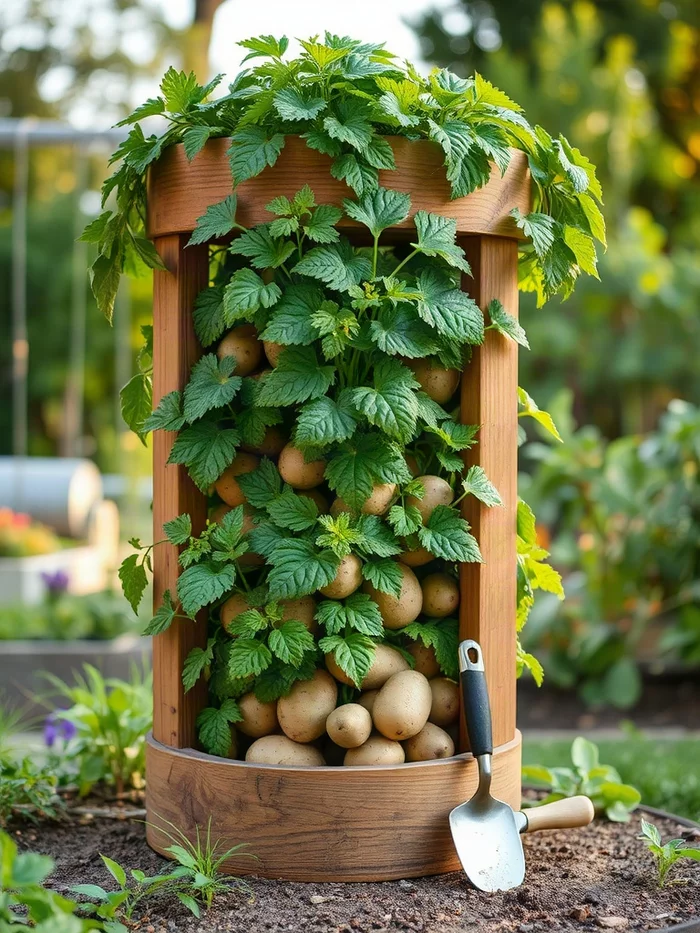
A potato tower is essentially a vertical structure built to grow potatoes in layers. It usually consists of a strong frame—often made of wood or wire mesh—where you can add soil and seed potatoes as they grow. The concept is simple: as the potato plants sprout and grow upwards, you add more layers of soil to encourage the production of tubers along the stems. This method not only saves space but also optimizes your potato yield!
In my experience with All American Gardeners, I've found that potato towers can be a game-changer for urban gardeners or those with smaller backyards. They allow you to cultivate more crops in less ground area, helping you achieve a bountiful harvest without needing a sprawling garden. For beginners, getting started with organic gardening tips can provide a solid foundation.
Vertical gardening, particularly with potatoes, offers numerous benefits for those of us gardening in small spaces. Firstly, it significantly increases your yield per square foot, allowing you to grow more potatoes in a compact area. Plus, potatoes are naturally inclined to grow upwards, so using this method aligns perfectly with their growth habits!
These advantages make potato towers an excellent choice for anyone looking to maximize their gardening efficiency. So, if you're itching to get started, you’re in the right place! Let’s explore even more about how to successfully grow potatoes vertically.
Vertical gardening is a fantastic way to utilize your available space while also exploring innovative techniques. When it comes to potatoes, this method offers a plethora of advantages. For instance, it minimizes the risk of pests, as the plants are elevated, reducing the likelihood of rot due to water pooling around the base.
By employing these vertical gardening techniques, like those used in potato towers, you can create a unique and productive garden that truly reflects your personal gardening style. Ready to get your hands dirty? Let’s move on to building your very own potato tower!
Have you ever tried growing potatoes in a tower? We'd love to hear about your experiences! Select one of the options below:
As we dive deeper into the world of gardening, it's essential to weigh the pros and cons of growing potatoes in a tower. This unique method offers several advantages but also comes with its own set of challenges. Understanding these factors will help you decide if a potato tower is the right choice for your garden!
Let’s start with the benefits! Building a potato tower can be a fantastic way to maximize your growing space, especially for those gardening in small areas. Here are some key pros:
However, there are some cons to consider as well:
Many new gardeners often feel intimidated by the idea of growing potatoes in a tower, leading to myths that can deter them from trying it. Let’s clear a few things up:
To ensure robust growth, it’s vital to understand what nutrients your potato plants need. Here’s a quick overview of the essential nutrients:
To promote healthy growth, I recommend using a balanced fertilizer that includes these nutrients, along with organic matter like compost to enrich your soil. Remember, healthy soil leads to healthy plants! For more information on maintaining healthy soil, refer to our guide on healthy soil for thriving gardens.
A potato tower is a vertical gardening structure designed to grow potatoes in layers, maximizing yield in small spaces by encouraging tuber production along the stem as soil is added.
The main benefits include efficient use of vertical space, easier harvesting (by unstacking layers), improved drainage, better air circulation, and potential pest control due to elevated plants.
Potential downsides include the initial effort required for setup, the risk of instability if not built sturdily, and the need for more frequent watering as vertical systems tend to dry out faster.
Key nutrients for healthy potato growth are nitrogen (for leaf vigor), phosphorus (for root and tuber development), and potassium (for disease resistance and tuber quality). A balanced fertilizer and organic matter are recommended.
Yes, with proper guidance, potato towers are suitable for beginner gardeners. They offer a controlled environment that can simplify nutrient and pest management compared to traditional in-ground gardening.
Now that we’ve explored the effectiveness of potato towers, you might be wondering if building one is truly worth the effort. Let’s delve into that!
For many home gardeners, the answer is a resounding yes! With the right planning and execution, a potato tower can yield a generous harvest while taking up minimal space. If you have limited garden area, this method is especially appealing. Plus, the sense of accomplishment from growing your own potatoes vertically is truly rewarding!
At All American Gardeners, we believe that every gardener, regardless of space, can cultivate a thriving garden. If you're constrained to a balcony or small yard, a potato tower could be the perfect solution. It's not only functional but also a fun project that can engage the whole family!
As we wrap up, it’s important to consider how vertical gardening, particularly potato towers, contributes to sustainable practices. By utilizing vertical space and focusing on soil health, we can promote a more sustainable approach to home gardening. This method not only helps to reduce our environmental footprint but also encourages a deeper connection with the earth. Let’s embrace these sustainable methods and grow our gardens together! For more on environmentally friendly practices, check out simple tips for sustainable farming.
Here is a quick recap of the important points discussed in the article: