Size & Fit
Measure your space to ensure the stand fits without overwhelming the room. Crucial for both indoor and outdoor settings.
Join Clara M. Greene's community for expert tips and seasonal guides tailored for American gardeners.
Posted on: 2026-05-30
By: Clara M. Greene
Are you ready to transform your gardening experience? Vertical plant stands are not just about saving space; they’re a stylish way to elevate your decor while nurturing your plants. Discover how these innovative structures can revolutionize your indoor and outdoor spaces!
Selecting the right vertical plant stand involves balancing several practical and aesthetic factors. Here's a quick guide to help you make an informed decision. For more tips on maintaining plant health, check out our plant care tips for home gardeners.
Measure your space to ensure the stand fits without overwhelming the room. Crucial for both indoor and outdoor settings.
Verify how many plants and their combined weight the stand can safely support to prevent structural issues.
Select a design that complements your existing home decor, whether modern, rustic, or traditional.
Choose materials (wood, metal, plastic) that are suitable for your environment and built to last.
Vertical plant stands are a wonderful way to maximize your gardening potential while enhancing your home decor! They allow you to grow a variety of plants in a limited space, making them ideal for both small apartments and expansive gardens. But what exactly are vertical plant stands? Let’s dive into the details!
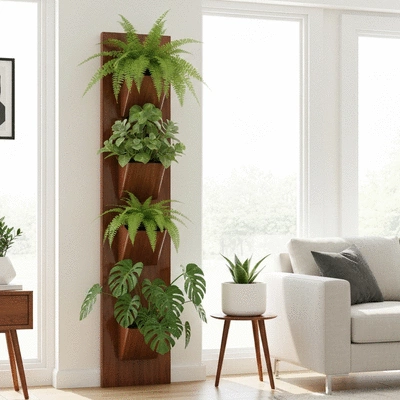
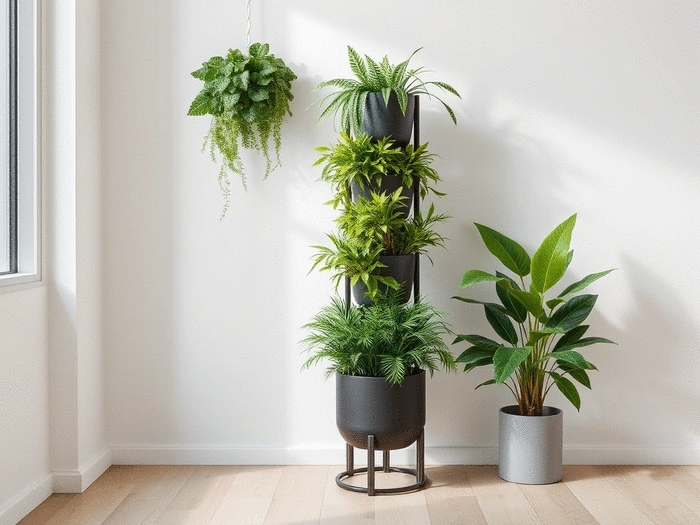
A vertical plant stand is a structure designed to hold plants in an upright position, allowing them to grow upwards rather than spreading out horizontally. These stands can come in various forms, from simple shelves to elaborate tiered systems that accommodate multiple pots. The beauty of these designs is that they not only save space but also provide an appealing visual centerpiece in your home!
One of my favorite aspects of vertical plant stands is their versatility. They can be made for indoors or outdoors, with styles that cater to both aesthetic and functional needs. Are you excited to explore how you can integrate one into your own space? For more ideas on maximizing small spaces, read about vertical gardens for small spaces.
By incorporating a vertical plant stand, you’re not just growing plants, you’re also creating a dynamic display that can transform any room or outdoor area. Who wouldn’t want that extra touch of greenery in their life?
There are various types of vertical plant stands available, and understanding the differences can help you choose the right one for your needs. Let’s take a closer look at some of the categories:
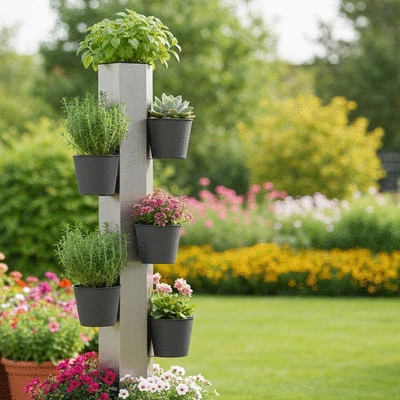
Indoor vertical stands often feature a sleek design that complements modern home decor. These can include multi-tiered shelves and wall-mounted units that fit well in tight spaces. On the other hand, outdoor vertical plant stands may be sturdier, made to withstand the elements, and designed to accommodate larger planters.
Vertical plant stands come in a variety of materials, each offering unique benefits:
Choosing the right material depends on your personal style and where you plan to use the stand. Personally, I find that mixing and matching materials can create a layered look that’s visually interesting!
Vertical gardening is not just a trend; it’s a practical solution for urban gardeners looking to make the most of their limited space. By using vertical plant stands, you can grow herbs, flowers, and even vegetables without needing a sprawling garden. Plus, it adds a touch of nature to your living space, making it feel more vibrant and alive!
So, are you ready to elevate your gardening game? With the right vertical plant stand, you can create a stunning green oasis in your home! You might also find inspiration in exploring vertical garden benefits to further enhance your green spaces.
A1: Vertical plant stands offer several benefits, including maximizing gardening space, improving airflow for healthier plants, enhancing aesthetic appeal in your home or patio, and making plants more accessible for easier maintenance and watering.
A2: Key considerations include the size of your space, the load capacity of the stand (how many plants and their weight it can support), the style and aesthetics to match your decor, and the material durability (wood, metal, plastic) for your environment.
A3: Yes, vertical plant stands are designed for both indoor and outdoor use. Indoor stands often have sleek designs, while outdoor stands are typically sturdier and made from weather-resistant materials.
A4: Common materials include wood (for a rustic feel), metal (for durability and modern aesthetics), and plastic (for lightweight and affordable options). Each material offers different benefits depending on your needs and environment.
A5: You can find quality vertical plant stands at local garden centers, home improvement stores, and online marketplaces like Amazon or Etsy. Checking customer reviews is also recommended to ensure product durability and functionality.
Have you ever used a vertical plant stand in your gardening journey? What features do you find most beneficial? Share your thoughts below:
Choosing the right vertical plant stand can feel overwhelming, but it doesn’t have to be! Here at All American Gardeners, I’ve learned that understanding a few key factors can guide you in making a decision that complements both your gardening style and your living space. Let’s recap some essential considerations that will help you narrow down your options.
By focusing on these aspects, you can select a vertical plant stand that not only fits your plants but also enhances your home's aesthetic. A well-chosen stand can become a beautiful focal point in your garden or living room!
Once you’ve found your perfect vertical plant stand, it’s time to think about how to maximize its potential! Arranging your plants effectively can create a stunning visual display while ensuring their growth needs are met. Remember, variety is key—mix different plant types and colors to make your arrangement vibrant and engaging.
Consider using a combination of hanging plants and potted varieties. This layering can create depth and interest, making your green space feel lush and inviting. Plus, it’s a great way to utilize the vertical space you have!
Ready to start your shopping journey? There are plenty of places to find quality vertical plant stands that fit your needs. Let’s explore some options to make your search easier!
Visiting local stores can also provide a chance to see the stands in person—this way, you can assess quality and design directly!
Don’t forget to check customer reviews before making a final purchase! Feedback from other gardeners can offer valuable insights into a product’s durability and functionality. You may be surprised by how much you can learn from a few honest testimonials.
If you're looking to keep your plant collection fresh and interesting, consider signing up for a plant subscription box. These services often include unique plants, pots, and even care instructions, tailored to your gardening needs. It’s an excellent way to continually expand your vertical garden while discovering new varieties to love! For even more ways to keep your garden thriving, explore our organic gardening tips for beginners.
Finding the right vertical plant stand is all about aligning your choices with your gardening goals and personal style. With these tips, you’re well on your way to creating a stunning display that you'll be proud to showcase! Happy gardening!
Here is a quick recap of the important points discussed in the article: