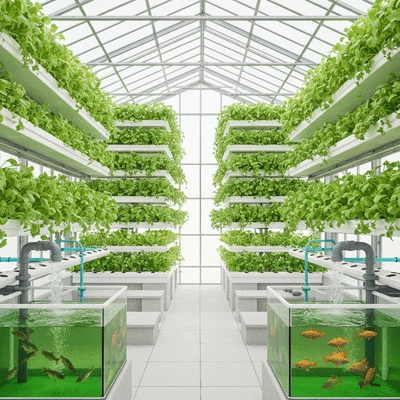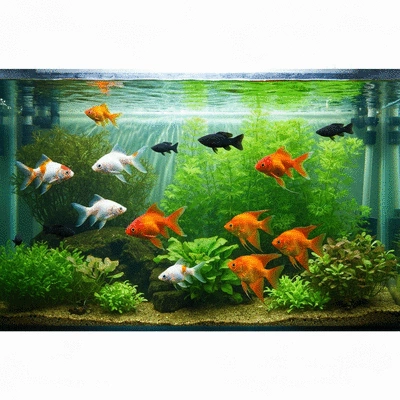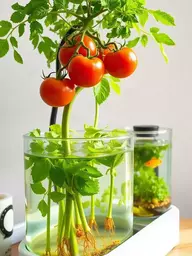
Step 1: Fish Produce Waste
Fish release waste containing ammonia, the starting point for nutrient conversion.
Join Clara M. Greene's community for expert tips and seasonal guides tailored for American gardeners.
Posted on: 2026-04-07
By: Clara M. Greene
Have you ever considered how a small tank of fish could nourish an entire garden? In the realm of sustainable agriculture, aquaponics greenhouses offer an innovative solution that combines aquaculture and hydroponics to create a self-sustaining ecosystem. Let’s explore the transformative potential of this unique gardening method!
The magic of aquaponics lies in its nutrient cycling process, where fish waste is converted into plant nutrients by beneficial bacteria. This closed-loop system is efficient and reduces the need for chemical fertilizers. For those looking to start their own aquaponics system, understanding this fundamental process is key to getting started with aquaponics successfully.
Fish release waste containing ammonia, the starting point for nutrient conversion.
Beneficial bacteria convert ammonia into nitrites.
More bacteria further convert nitrites into nitrates—the primary plant nutrient.
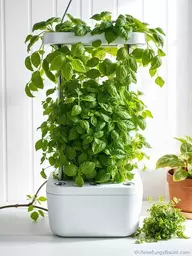
Plants absorb the nitrates, cleaning the water for the fish and supporting their own growth.
Aquaponics offers significant benefits for sustainable farming, from water conservation to organic produce.
Uses up to 90% less water than traditional soil gardening due to recirculation.
Grow organic vegetables and herbs without synthetic chemicals, using fish waste as fertilizer.
Local food production minimizes transportation emissions for a healthier planet.
Climate control allows for continuous food production regardless of external weather.
As a passionate gardener and horticulture enthusiast, I’m excited to dive into the world of aquaponics greenhouses with you! This innovative system combines aquaculture (raising fish) and hydroponics (growing plants in water) to create a sustainable and efficient way to grow food. Whether you're a novice or a seasoned gardener, understanding aquaponics can elevate your gardening journey!
Aquaponics is more than just a buzzword; it’s a holistic approach to gardening that can help you cultivate a thriving greenhouse ecosystem. Ready to explore? Let’s start by breaking down the fundamentals of aquaponics greenhouse systems!
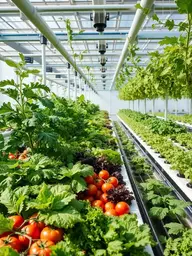
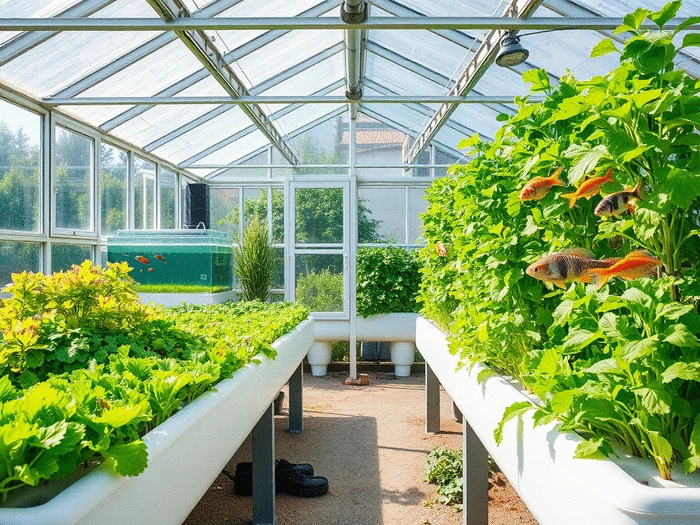
An aquaponics greenhouse is a controlled environment where plants and fish coexist in a symbiotic relationship. In this system, the waste produced by the fish provides organic nutrients for the plants, and in return, the plants help filter and purify the water for the fish. It’s a win-win situation that fosters sustainability!
These greenhouses can be customized to fit various sizes and designs, making them versatile for both home gardeners and commercial producers. Imagine growing fresh vegetables and raising fish all in one compact space—what a fantastic way to enjoy the fruits of your labor! You can learn more about the basics of aquaponics farming by checking out our guide on understanding aquaponics farming basics.
The magic of aquaponics lies in its nutrient cycling process. It begins with fish waste, which contains ammonia. Beneficial bacteria in the system convert this ammonia into nitrites, which are then transformed into nitrates that plants can absorb. This natural cycle not only feeds your plants but also keeps the water clean for your fish!
Here’s a simplified view of the nutrient cycling process:
This closed-loop system is efficient and reduces the need for chemical fertilizers, making it an environmentally friendly choice for any gardener.
Speaking of bacteria, they play a crucial role in maintaining a healthy aquaponics system! These tiny organisms are the unsung heroes that convert fish waste into usable nutrients for plants. Without them, the entire system would struggle to thrive.
To support beneficial bacteria, it’s essential to maintain proper water conditions, including temperature and pH levels. Remember, a happy environment for your fish means happy plants too! So, make sure to monitor these factors regularly for the best results.
Now that we’ve covered the basics, let’s explore the advantages of implementing an aquaponics greenhouse. This method isn't just innovative; it's also packed with benefits that can enhance your gardening experience and contribute to sustainable practices.
Implementing an aquaponics system comes with numerous environmental benefits. It conserves water, as the closed-loop system recirculates water with minimal loss. Furthermore, aquaponics can reduce the need for chemical fertilizers, promoting healthier ecosystems. By choosing this method, you’re making a positive impact on the environment!
For those considering a commercial venture, aquaponics can be a cost-efficient way to grow food. By utilizing available resources and minimizing waste, you can reduce operational costs while maximizing your yield. Plus, as demand for sustainably sourced food rises, the profitability of aquaponics ventures is becoming increasingly attractive!
At All American Gardeners, we believe in sustainable gardening practices, and aquaponics is a prime example of this. It encourages a cycle of growth that prioritizes resource efficiency and environmental health. If you’re passionate about sustainable agriculture, aquaponics can be a fulfilling way to align your gardening endeavors with these principles! For more tips on eco-friendly gardening, explore our organic gardening tips for beginners.
To set up a thriving aquaponics greenhouse, it’s crucial to understand the key components that contribute to its success. Let’s take a closer look at what you’ll need!
Designing your aquaponics greenhouse involves considering various elements like the layout, water circulation, and light requirements. You’ll want to include:
By carefully planning these components, you’ll create a balanced environment that supports both fish and plant life.
Not all fish and plant combinations work well together! When selecting species, consider factors like growth rates, nutrient requirements, and compatibility. Popular choices include:
Choosing the right pairings can lead to better growth and a more successful aquaponics system!
Lastly, managing water quality is essential for a successful aquaponics greenhouse. Regularly testing pH levels and water conditions will help ensure both fish and plants thrive. Ideal pH levels typically range from 6.8 to 7.2, creating an optimal environment for nutrient absorption and fish health.
By paying attention to these details, you can set the stage for a fruitful aquaponics journey! As we move forward, we’ll explore how to plan and scale your aquaponics greenhouse effectively.
What aspect of aquaponics are you most excited to explore? Share your thoughts below:
As we wrap up our exploration of aquaponics greenhouses, it’s essential to recognize the incredible potential they hold for sustainable farming. Not only do these systems combine the best of fish farming and plant cultivation, but they also embody a holistic approach to growing food that conserves water and minimizes waste. With the right setup, you can create a thriving ecosystem that supports both plant and aquatic life!
Imagine walking into your own aquaponics greenhouse, surrounded by lush greens and the gentle sounds of flowing water. It’s not just about gardening; it’s about embracing a lifestyle that prioritizes sustainability and community. Whether you’re a seasoned gardener or just starting, the world of aquaponics offers something for everyone!
Aquaponics greenhouses present numerous advantages, making them an attractive option for anyone interested in sustainable farming. Here are a few compelling reasons to consider:
By integrating an aquaponics greenhouse into your gardening journey, you're not just growing food; you’re participating in an innovative movement toward sustainable agriculture! This approach aligns perfectly with our mission at All American Gardeners to empower home gardeners across the U.S.
Ready to dive in and start your aquaponics adventure? Here are some valuable resources and actions to consider:
Joining the aquaponics community can also be incredibly beneficial. Engaging with fellow enthusiasts allows you to share tips, troubleshoot challenges, and celebrate successes together. It’s a wonderful way to feel connected and inspired!
At All American Gardeners, we also recommend exploring local food systems and community gardens. These initiatives can offer support, resources, and a sense of belonging as you embark on your aquaponics journey. Local farmers' markets often have connections to community gardens, making it easy to get involved!
Remember, every great gardener started somewhere, and your journey into aquaponics can be both rewarding and transformative. Embrace the adventure ahead, and don’t hesitate to reach out to the vibrant gardening community for guidance and encouragement! For more information on plant care, be sure to read our plant care tips for home gardeners.
Here is a quick recap of the important points discussed in the article: