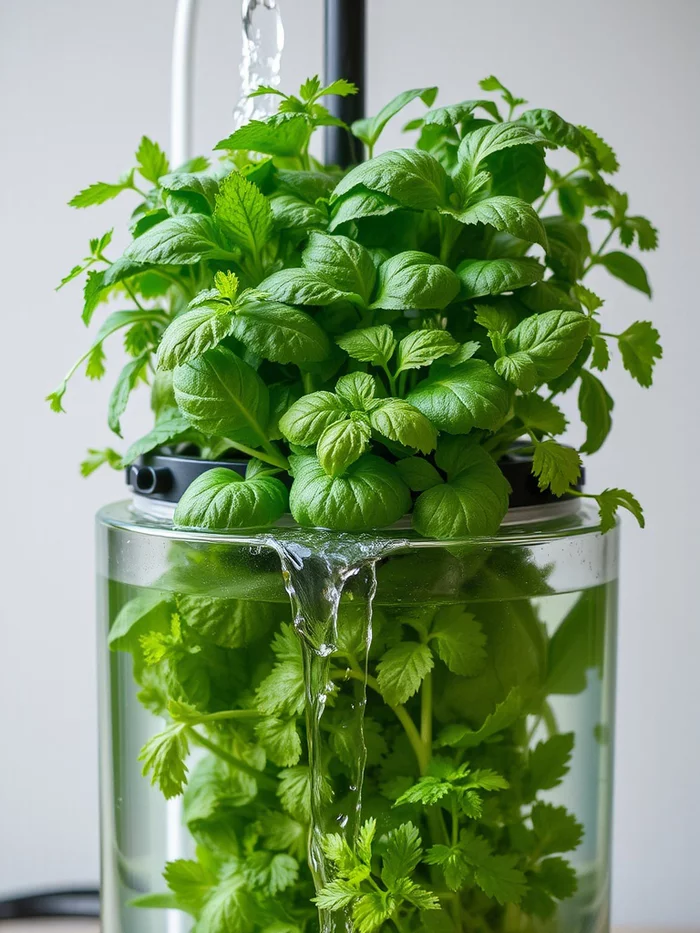
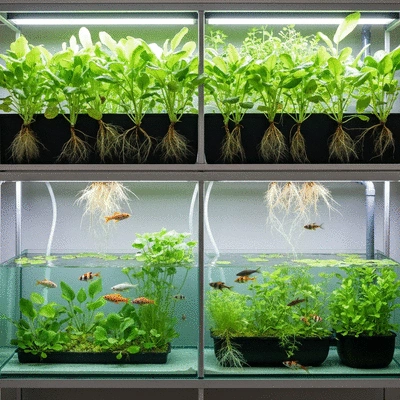
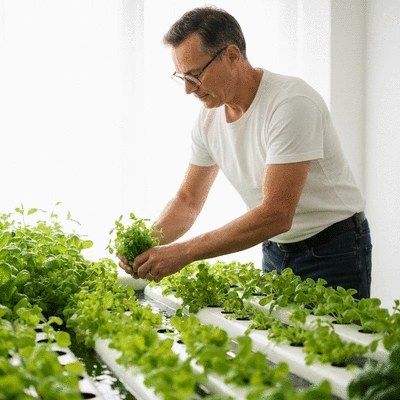
Did you know that aquaponics combines fish farming with plant cultivation in a sustainable ecosystem? This innovative method not only maximizes space but also minimizes waste, making it a perfect choice for environmentally conscious gardeners. Let's dive into the essential insights from the fascinating world of aquaponic herb gardening!
What You Will Learn
Aquaponics creates a self-sustaining ecosystem where fish waste nourishes plants, and plants purify water for fish.
Freshly grown herbs from an aquaponic system often have higher nutrient content and superior flavor.
Regular monitoring of water quality, pH, and plant health is crucial for maintaining a successful aquaponic garden.
Companion planting can enhance growth and pest resistance, optimizing the overall health of your herb garden.
Aquaponics vs. Hydroponics: A Sustainable Choice
Delve into the core differences and unique advantages of aquaponics compared to hydroponics, highlighting their distinct approaches to plant cultivation and environmental impact. For those just starting, understanding these foundational concepts is key to getting started with aquaponics successfully.
Aquaponics: The Symbiotic Loop
Aquaponics integrates fish farming (aquaculture) with soilless plant cultivation (hydroponics) in a closed-loop system, creating a natural, self-sustaining ecosystem.
✓ Natural nutrient supply from fish waste
✓ Lower maintenance, self-sustaining
✓ Opportunity to raise fish alongside herbs
Hydroponics: Controlled Nutrient Delivery
Hydroponics focuses solely on growing plants in nutrient-rich water solutions without soil, requiring direct management of nutrient levels and water quality.
✓ Direct control over plant nutrient intake
✓ No fish required; simpler setup initially
✓ Regular monitoring of nutrient solution
Understanding the Aquaponic Herb Garden Ecosystem
Welcome to the wonderful world of aquaponics! As a passionate gardener, I can tell you that understanding how an aquaponic system works is the first step towards creating a thriving herb garden. Aquaponics is a sustainable method of growing plants and raising fish together in a closed-loop system. The fish provide nutrients for the plants, while the plants help purify the water for the fish. It’s like nature’s perfect partnership!
Essentially, in an aquaponic system, fish waste acts as a natural fertilizer for the plants, allowing you to grow fresh herbs without the need for chemical fertilizers. This balance creates a mini-ecosystem that benefits both the plants and the fish, making it an exciting and rewarding approach to gardening.
What is an Aquaponic System and How Does It Work?
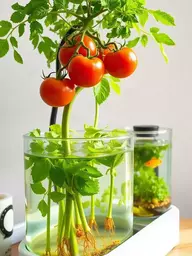
So, how does this intriguing system operate? An aquaponic system combines aquaculture (raising fish) with hydroponics (growing plants in water). Fish produce waste that contains ammonia. Beneficial bacteria convert this ammonia into nitrites and then into nitrates, which are effective nutrients for your plants. The plants absorb these nutrients, filter the water, and send it back to the fish tank clean and fresh.
Fish provide nutrients through waste.
Bacteria convert waste into usable nutrients.
Plants filter the water, keeping it clean for fish.
Continuous recycling of water ensures sustainability.
This cycle not only provides a continuous food source for your herbs but also creates a low-maintenance gardening system. The beauty of aquaponics lies in its efficiency and sustainability, making it a perfect choice for those of us who want to garden responsibly! To learn more, check out our guide on understanding aquaponics systems simply.
The Benefits of Growing Herbs in an Aquaponic Environment
Growing herbs in an aquaponic environment offers numerous advantages that can elevate your gardening experience. First and foremost, aquaponic herbs are often fresher and tastier, as they can be harvested right from your home. Imagine snipping fresh basil or mint for your favorite dishes, just moments after cutting them!
Higher nutrient content in herbs.
Less water usage compared to traditional gardening.
Reduced need for chemical fertilizers and pesticides.
Ability to grow year-round indoors or outdoors.
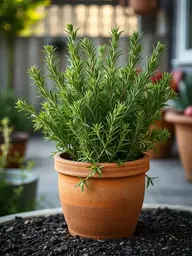
Additionally, aquaponics allows for a more sustainable approach to herb gardening. You can grow a variety of herbs – from fragrant rosemary to zesty cilantro – all while minimizing your environmental footprint. It’s a fulfilling way to connect with nature and enjoy the fruits (or herbs!) of your labor!
Comparing Aquaponics and Hydroponics: Key Differences and Benefits
While aquaponics and hydroponics may seem similar, they have distinct differences that can affect your gardening choices. Hydroponics focuses on growing plants in nutrient-rich water without fish. In contrast, aquaponics creates a symbiotic relationship between fish and plants, leading to a more sustainable system. This relationship brings unique benefits, including:
Natural nutrient supply from fish waste.
Lower maintenance due to the ecosystem's self-sustaining nature.
Opportunity to raise fish alongside growing herbs, adding diversity to your garden.
Choosing between these methods really depends on your goals and preferences as a gardener. If you're interested in a holistic approach that combines fish and plants, aquaponics might just be the perfect fit for your gardening journey!
Pro Tip
To enhance your aquaponic herb garden's success, consider integrating companion planting techniques. Pairing certain herbs, like basil with tomatoes or mint with cabbage, can promote healthier growth and deter pests naturally. This not only maximizes your yields but also enriches the ecosystem of your garden!
Summarizing the Journey to a Sustainable Aquaponic Herb Garden
Creating an aquaponic herb garden can be an exciting and fulfilling adventure! It marries the worlds of aquaculture and hydroponics, allowing you to grow fresh herbs while caring for fish. Let's recap some of the key takeaways that will help you cultivate a successful and sustainable garden!
Key Takeaways for Successful Herb Cultivation
Understand Your Ecosystem: Familiarize yourself with the balance between fish and plants to create a thriving environment.
Choose the Right Herbs: Opt for herbs that thrive in aquaponic systems, like basil, mint, and oregano, to maximize your yields.
Monitor Conditions: Regularly check water quality, pH levels, and plant health to catch issues early.
Utilize Companion Planting: Pair herbs strategically to enhance growth and deter pests.
By following these tips, you’ll be well on your way to enjoying a bountiful harvest in your aquaponic garden! Remember, gardening is a journey filled with learning experiences, so don't hesitate to experiment with different herbs and techniques. For more specific herb ideas, explore our guide on essential herbs for new growers.
The Importance of Regular Monitoring and Adjustments
Just like every gardener knows, keeping a watchful eye on your garden is crucial. The success of your aquaponic system relies heavily on the health of both your fish and plants. Regular monitoring helps ensure that pH levels, ammonia levels, and water temperatures are within the ideal ranges.
Consider implementing a simple checklist to streamline your monitoring process:
Check pH levels (aim for 6.8 to 7.2)
Monitor ammonia and nitrite levels
Inspect plants for yellowing leaves or other signs of distress
Observe fish behavior for signs of stress or illness
Routine adjustments based on your observations will lead to healthier plants and fish, ultimately resulting in a flourishing aquaponic garden!
Exploring the Future of Aquaponic Technology and Sustainable Agriculture
As I look towards the future, I’m excited about the advancements in aquaponic technology. Innovations are continuously emerging, making it easier for home gardeners to embrace sustainable practices. Technologies such as automated monitoring systems and improved fish breeds are paving the way for more efficient aquaponic gardens.
Additionally, with the growing interest in sustainable agriculture, more resources and communities are popping up to support aspiring aquaponic gardeners. Embracing this movement not only contributes to your local economy but also helps promote a greener planet!
Frequently Asked Questions About Aquaponic Herb Gardening
Here are some common questions about aquaponic herb gardening:
Q: What is aquaponics?
A: Aquaponics is a sustainable farming method that combines aquaculture (raising fish) and hydroponics (growing plants in water) in a symbiotic, closed-loop system. Fish waste provides nutrients for plants, and plants filter the water for the fish.
Q: How does an aquaponic system work?
A: Fish produce ammonia-rich waste, which beneficial bacteria convert into nitrites and then nitrates. These nitrates serve as natural fertilizer for plants, which in turn absorb the nutrients and purify the water before it cycles back to the fish tank.
Q: What are the main benefits of growing herbs aquaponically?
A: Benefits include fresher, potentially more nutritious herbs, significantly less water usage than traditional gardening, reduced need for chemical fertilizers and pesticides, and the ability to grow year-round indoors or outdoors.
Q: What types of herbs grow well in an aquaponic system?
A: Many herbs thrive in aquaponics, including basil, mint, oregano, rosemary, cilantro, and chives. These herbs generally prefer the consistent moisture and nutrient supply provided by aquaponic systems.
Q: Is aquaponics easier or harder than hydroponics?
A: Aquaponics can be seen as having a slightly higher initial complexity due to managing both fish and plants, but once established, it often requires less intervention because the ecosystem is self-sustaining. Hydroponics offers direct control over nutrient solutions but requires regular manual adjustments.
Q: What should I monitor in my aquaponic garden?
A: Regular monitoring of water quality (pH, ammonia, nitrites, nitrates), water temperature, and the overall health of both your fish and plants is crucial for a successful system.
Join the Aquaponic Movement: Start Your Garden Today
Are you ready to dive into the world of aquaponics? With the right resources and community support, anyone can create a thriving aquaponic herb garden right at home!
Resources for Further Learning and Support
Online forums and gardening communities
Books on aquaponic systems and herb gardening
Tutorial videos for visual learners
These resources can provide invaluable insights and answer any questions you may have as you embark on this gardening adventure!
Encouragement to Share Your Experiences and Tips
I invite you to share your own experiences as you start your aquaponic garden! Whether you’re a beginner or have years of gardening under your belt, everyone has something to contribute. Let’s learn from each other and celebrate our successes together!
Community Gardens and the Role of DIY Aquaponics
Don't forget the power of community! Participating in local community gardens can enhance your knowledge and connection to other gardeners. As you explore DIY aquaponics, consider collaborating with fellow enthusiasts to exchange tips, resources, and even share in the joy of your harvests. For ideas on creating your own system, check out our simple DIY aquaponics guide.
Together, we can cultivate a thriving network of aquaponic gardeners, inspiring each other to grow greener and more productive gardens!
Recap of Key Points
Here is a quick recap of the important points discussed in the article:
Understand Your Ecosystem: Familiarize yourself with the balance between fish and plants to create a thriving environment.
Choose the Right Herbs: Opt for herbs that thrive in aquaponic systems, like basil, mint, and oregano, to maximize your yields.
Monitor Conditions: Regularly check water quality, pH levels, and plant health to catch issues early.
Utilize Companion Planting: Pair herbs strategically to enhance growth and deter pests.
Embrace Technology: Stay updated with advancements in aquaponic technology for efficient gardening.
Subscribe & Share
2026-08-28
Growing Herbs with Hydroponics
Why settle for store-bought herbs when you can grow your own at home, in any space? Hydroponic garde
2026-08-27
Growing Sweet Corn from Seeds
Ready to transform your gardening experience? Selecting the right sweet corn seeds can make all the