Plants for Aquaponics Success
Posted on: 2026-05-28
By: Clara M. Greene
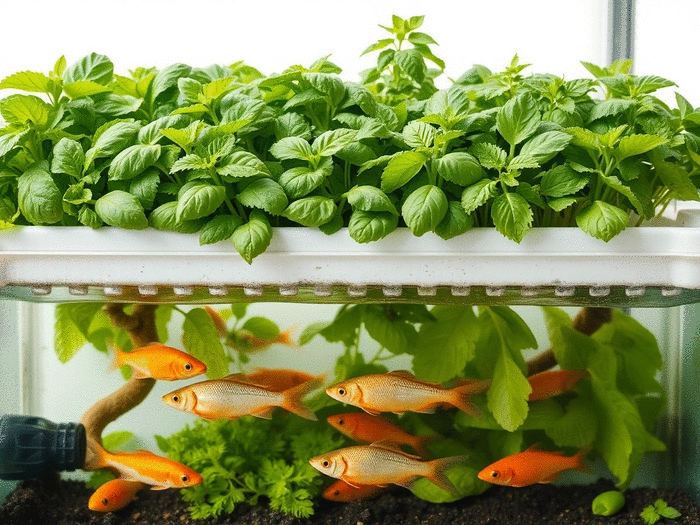
Ever wondered how you can grow your own food while also raising fish? Aquaponics, the sustainable gardening method that combines aquaculture and hydroponics, makes this possible! Dive into the world of aquaponics and discover the secrets to creating a thriving garden ecosystem.
What You Will Learn
- Aquaponics integrates fish and plant cultivation, creating a self-sustaining ecosystem.
- This method conserves water, using up to 90% less compared to traditional gardening.
- Choosing the right plants is crucial; low-maintenance varieties thrive best in aquaponics systems.
- Understanding the differences between aquaponics and hydroponics helps in selecting the best gardening method for your needs.
- Monitoring pH levels and water quality is essential for successful plant growth in aquaponics.
- Crop rotation and biodiversity enhance the sustainability and resilience of your aquaponics garden.
Aquaponics vs. Hydroponics: Key Differences and Process Flow
Delve into the core distinctions and the cyclical process that makes aquaponics a unique and sustainable gardening method. To learn more about setting up your own system, check out our guide on setting up aquaponics systems.
Aquaponics Process: A Sustainable Cycle
- Fish produce ammonia-rich waste.
- Beneficial bacteria convert ammonia to nitrites, then nitrates.
- Plants absorb nitrates as nutrients for growth.
- Cleaned water recirculates back to fish tank.
Win-Win Ecosystem
Comparison: Aquaponics vs. Hydroponics
Key Distinctions
Understanding Aquaponics: A Sustainable Gardening Method
Aquaponics combines the art of gardening with aquaculture, creating a sustainable ecosystem where fish and plants thrive together! It's an innovative method that utilizes the waste produced by fish to nourish plants, while the plants help filter and clean the water for the fish. Have you ever imagined cultivating fresh produce while raising fish in your backyard? Let’s dive into how this fascinating system works!
What Is Aquaponics and How Does It Work?
Aquaponics is a closed-loop system that integrates aquaculture (raising fish) and hydroponics (growing plants in water). The process begins when fish waste is converted into nutrients by beneficial bacteria, which then feeds the plants. The plants, in turn, filter and purify the water that returns to the fish tank—making it a win-win situation for both parties!
- Fish produce waste that contains ammonia.
- Bacteria in the system convert ammonia into nitrites and then nitrates.
- Plants absorb these nutrients for growth.
- Clean water is recirculates back to the fish tank.
This harmonious relationship not only ensures healthy plant growth but also promotes a more sustainable practice, reducing the need for chemical fertilizers. It’s truly a beautiful cycle of life! For beginners looking to get started, our guide on getting started with aquaponics provides valuable insights.
The Benefits of Growing Plants in an Aquaponics System
There are numerous advantages to adopting aquaponics in your home garden. First and foremost, it helps conserve water—up to 90% less than traditional gardening methods! Secondly, because aquaponics is a closed-loop system, it minimizes waste and maximizes efficiency. Here are some key benefits:
- Environmentally friendly: Reduces chemical runoff and promotes sustainability.
- Space-efficient: Ideal for small gardens or urban environments.
- Year-round production: Grow fresh herbs and vegetables regardless of the season.
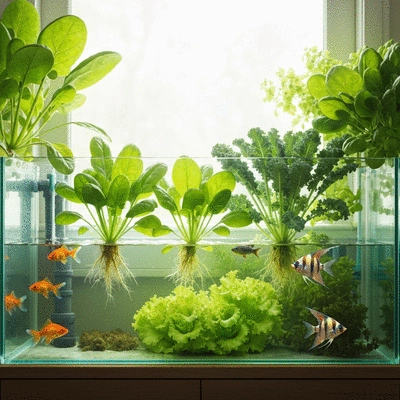
As a passionate gardener, I can assure you that aquaponics brings joy and satisfaction as you witness healthy plants and happy fish coexisting in your garden. It’s a great way to engage with nature while growing your own food!
Comparing Aquaponics and Hydroponics: Key Differences
While aquaponics and hydroponics both involve growing plants in water, they have distinct differences. Hydroponics relies solely on nutrient solutions, while aquaponics integrates fish into the equation. Here’s a quick comparison to help you understand:
- Water usage: Aquaponics uses less water due to the recycling process, while hydroponics uses more.
- Nutrient source: Aquaponics derives nutrients from fish waste; hydroponics relies on synthetic fertilizers.
- Complexity: Aquaponics systems can be more complex to manage due to the need for both fish and plants.
Choosing between aquaponics and hydroponics depends on your gardening preferences and goals. If you’re interested in a sustainable, dual ecosystem, aquaponics might be the perfect fit for you!
Identifying the Best Plants for Aquaponics
Now that we’ve covered the basics of aquaponics, let’s explore the types of plants that thrive in these systems. Selecting the right plants is crucial for the success of your aquaponics garden. From leafy greens to herbs and fruiting crops, there are plenty of options available!
Pro Tip
To enhance the efficiency of your aquaponics system, consider incorporating companion planting. By selecting plants that benefit each other, such as basil with tomatoes, you can maximize growth and improve the health of both your plants and fish!
Evaluating Crops to Avoid in Aquaponics
As a passionate gardener, I understand that not all plants thrive in an aquaponics system. It’s essential to choose crops wisely to ensure your system runs smoothly and efficiently. Here are some considerations for evaluating crops you should avoid to maintain a healthy balance in your aquaponics garden.
High Maintenance Plants: What Not to Grow
When starting out with aquaponics, it’s best to stick to plants that are low-maintenance. High-maintenance plants can complicate your system and require a lot of attention. Here are a few types of plants you might want to steer clear of:
- Plants that require frequent pruning
- Crops susceptible to pests and diseases
- Varieties needing specialized growing conditions
These plants can add unnecessary stress to your system. Instead, focus on those that are resilient and easy to care for. Remember, simplicity is key when starting your aquaponics journey! For more ideas on suitable choices, explore our article on plants in aquaponics systems.
Crops with Excessive Nutrient Requirements: Managing Your System
Some crops demand higher nutrient levels than your aquaponics setup can provide. Growing these plants can lead to nutrient imbalances and affect the health of your fish and plants alike. Here are a few crops that might require more nutrients than you want to manage:
- Root vegetables like carrots and beets
- Heavy feeders such as corn and squash
- Fruit-bearing plants that require abundant potassium
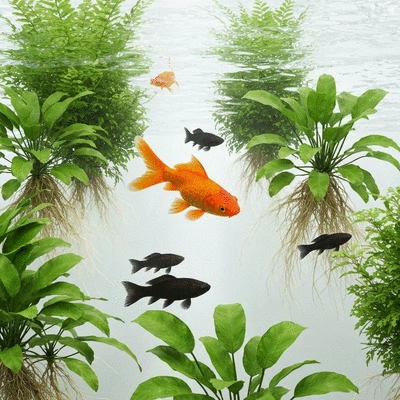
By avoiding these high-demand crops, you can maintain a balanced ecosystem where both fish and plants thrive. It’s a win-win!
Understanding pH Levels and Water Quality for Crop Success
Another critical factor to consider is the pH level of your water. Different plants have varying pH preferences, and keeping them in the ideal range is crucial for growth. Generally, most aquaponics plants thrive in a pH range of 6.0 to 7.0. Here are some common plants and their pH preferences:
- Kale: 6.0 - 7.0
- Mint: 6.5 - 7.5
- Tomatoes: 6.0 - 6.8
Regularly monitoring and adjusting your water quality will help ensure that your plants can absorb the necessary nutrients effectively. Keep an eye on those pH levels, and you'll be well on your way to a thriving garden!
Commercial vs. Home Aquaponics: Tailoring Your Plant Choices
Deciding whether you’re growing on a commercial scale or just for home enjoyment can greatly influence your plant selection. Understanding these differences can make all the difference in how you approach your aquaponics system!
Understanding the Differences in Scale and Plant Selection
For home gardeners like us, the focus might be on diversity and personal preference, while commercial growers often prioritize profitability and efficiency. Here are some factors to consider:
- Home systems can include a wide variety of plants for personal use.
- Commercial systems typically focus on high-yield crops that sell well.
- Home growers may experiment with unique varieties, while commercial growers stick to staple crops.
Recognizing these distinctions can help you tailor your plant choices to fit your specific goals, whether that's feeding your family or making a profit!
Maximizing Profitability: Best Practices for Commercial Growers
For those venturing into commercial aquaponics, it’s essential to adopt practices that maximize profitability. This includes:
- Choosing high-demand crops like lettuce and herbs
- Implementing efficient growing techniques to save on resources
- Regularly assessing market trends to determine which crops are most profitable
By focusing on these strategies, commercial growers can achieve higher yields and better returns, ensuring their aquaponics ventures are successful!
Frequently Asked Questions About Aquaponics
Here are some common questions to help you further understand aquaponics:
- What is aquaponics?
Aquaponics is a sustainable food production system that combines aquaculture (raising fish) and hydroponics (growing plants without soil) in a symbiotic environment. Fish waste provides nutrients for the plants, and the plants filter the water for the fish. - How is aquaponics different from hydroponics?
The key difference is the nutrient source. Hydroponics uses synthetic nutrient solutions, while aquaponics uses natural nutrients derived from fish waste, eliminating the need for chemical fertilizers. - What are the main benefits of an aquaponics system?
Benefits include significant water conservation (up to 90% less than traditional gardening), reduced need for chemical fertilizers, year-round production, and a sustainable, closed-loop ecosystem. - What types of plants are best for aquaponics?
Leafy greens like lettuce, spinach, and kale, as well as herbs such as basil, mint, and cilantro, typically thrive in aquaponics systems. Some fruiting plants like tomatoes and peppers can also be successful with proper management. - What crops should be avoided in aquaponics?
High-maintenance plants, those highly susceptible to pests, and crops with excessively high nutrient requirements (like root vegetables such as carrots and beets, or heavy feeders such as corn and squash) are generally best avoided, especially for beginners. - Why is pH level important in aquaponics?
Maintaining the correct pH level (generally 6.0-7.0) is crucial because it affects the availability of nutrients for the plants and the health of the fish. Regular monitoring and adjustment ensure optimal conditions for both.
Final Thoughts on Choosing the Right Plants for Aquaponics
As we wrap up this section, let’s reflect on the importance of making informed choices in your aquaponics garden. The right plants can lead to a thriving ecosystem that benefits both the fish and the plants!
Why a Decision Matrix Can Help You Select Ideal Plant Types
Creating a decision matrix can streamline your plant selection process. By evaluating factors such as growth rate, nutrient requirements, and compatibility with fish species, you can make informed decisions that enhance your system’s success.
Encouragement to Experiment and Find What Works Best for You
Don’t be afraid to experiment! Aquaponics is about learning and adapting. Try different plants and see what works best in your unique setup. Your experiences will help you cultivate a thriving garden!
The Role of Crop Rotation and Biodiversity in Sustainable Aquaponics
Finally, remember that introducing biodiversity and practicing crop rotation can help maintain soil health and reduce pest problems. Mixing different plant types can enhance resilience and make your aquaponics system even more sustainable! For tips on maintaining a healthy garden overall, explore our essential plant care checklist.
Recap of Key Points
Here is a quick recap of the important points discussed in the article:
- Aquaponics is a sustainable gardening method that integrates fish farming and plant cultivation in a closed-loop system.
- Key benefits of aquaponics include water conservation, reduced chemical use, and year-round production of fresh produce.
- High-maintenance plants and those with excessive nutrient requirements should be avoided to maintain system balance.
- Regular monitoring of pH levels is crucial for the health of both fish and plants in an aquaponics system.
- For commercial growers, focusing on high-demand crops and efficient practices can maximize profitability.
- Biodiversity and crop rotation can enhance ecosystem resilience and sustainability in aquaponics gardening.

2026-08-28
Growing Herbs with Hydroponics
 Why settle for store-bought herbs when you can grow your own at home, in any space? Hydroponic garde
2026-08-27
Growing Sweet Corn from Seeds
 Ready to transform your gardening experience? Selecting the right sweet corn seeds can make all the
2026-08-27
Growing Aquaponic Tomatoes at Home
 Imagine harvesting juicy, flavorful tomatoes while actively contributing to sustainable agriculture.
2026-08-25
Soil Choices for Healthy Rosemary
 What if I told you that the secret to growing robust rosemary lies in the soil beneath your feet? Un
2026-08-23
Exploring Hydroponic Greenhouse Benefits
 Have you ever wondered how innovative techniques in gardening can reshape our food production? Hydro
2026-08-22
Growing Your Own Garlic Bulbs
 As you prepare to embark on your journey of growing garlic, consider this: garlic cultivation isn't