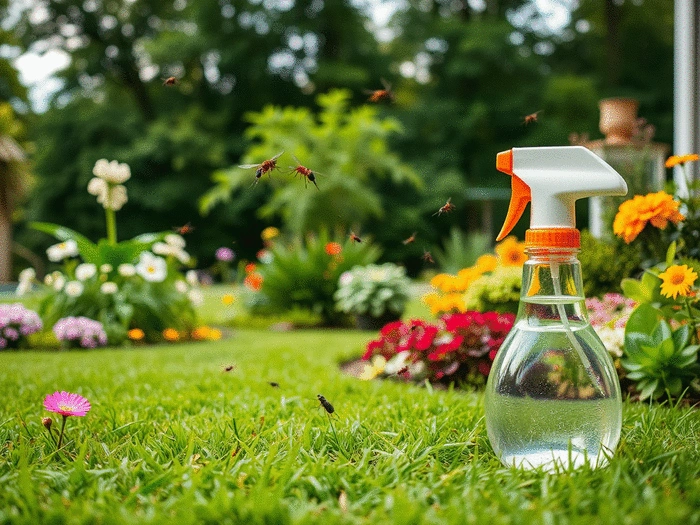
As summer approaches, the combination of heat and humidity creates the perfect environment for pests in the Southeast U.S. Are you ready to tackle this gardening challenge head-on? Understanding the key factors at play can help you protect your garden and enjoy a flourishing outdoor space!
What You Will Learn
The Southeast's humid subtropical climate significantly increases pest activity during the summer months.
Monitoring local weather can help you anticipate pest outbreaks effectively.
High humidity levels can lead to rapid pest population growth; keeping your garden well-drained is essential.
Understanding the behavior of seasonal pests, like mosquitoes and fire ants, can guide your management strategies.
Evaluate whether a DIY pest control approach is suitable based on the severity of the infestation.
Certain scenarios, such as significant infestations or health risks, necessitate professional pest control services.
Choosing between chemical treatments and natural repellents can impact your gardening philosophy and pest management success.
Pest Control Approaches: DIY vs. Professional Services
Understanding the effectiveness and implications of different pest control methods is crucial for maintaining a healthy garden. Below is a comparison of DIY and professional approaches, highlighting their pros and cons. For those new to gardening and looking to establish healthy practices from the start, consider exploring organic gardening tips for beginners.
DIY Pest Control
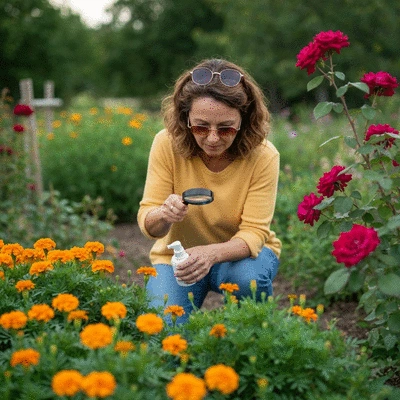
When considering a DIY approach, assess the scale of the problem and your comfort level. It's suitable for small, manageable infestations, and if you possess the necessary tools and knowledge.
✓ Cost-effective for minor issues
✓ Immediate action possible
✓ Eco-friendly options available
Small ScaleLow Risk
Professional Pest Control
Professional help is necessary for significant infestations, health risks, or when DIY methods have failed. Experts provide thorough identification and effective eradication.
✓ Effective for severe infestations
✓ Safety and specialized knowledge
✓ Long-term solutions
Large ScaleHigh Risk
Chemical Treatments vs. Natural Repellents
Chemical Treatments
*Quick action, often highly effective.
*Potential health risks, environmental impact.
Natural Repellents
*Eco-friendly, safer for pets and children.
*May take longer to see results.
Understanding the Southeast Humid Climate and Its Impact on Pest Activity
The Southeast U.S. is known for its humid subtropical climate, which significantly affects pest activity throughout the summer months. As temperatures rise and humidity levels soar, pests thrive and become more active, complicating our gardening efforts. Understanding this climate can help us better prepare for and manage pest control in our gardens and yards!
From mosquitoes buzzing around our backyard barbecues to fire ants invading our picnic spots, pest issues can escalate quickly. Knowing how these factors play into pest behavior is crucial for effective management. Let’s dive in!
How Weather Conditions Influence Summer Pest Control in the Southeast
Summer is a prime time for pests in the Southeast, largely due to its unique weather conditions. The combination of heat and precipitation creates a perfect breeding ground for many unwanted insects. During this time, it’s important to be proactive in pest control, and integrating effective natural pest control tips can be highly beneficial.
Monitor local weather forecasts for temperature spikes and rain.
Adjust your pest control strategies based on humidity levels.
Keep an eye on changes in your garden ecosystem, as various pest species respond differently.
By paying attention to weather patterns, you can anticipate pest outbreaks and address them before they become a significant issue. Remember, a little preparation goes a long way!
The Role of Humidity in Pest Population Growth: Key Insights
Humidity plays a crucial role in the population growth of pests. In fact, high humidity levels can lead to rapid increases in pest numbers, as many species thrive in moist conditions. For instance, mosquitoes require standing water to breed, making your garden an attractive spot if not managed properly.
Keep your garden well-drained to prevent water accumulation.
Regularly empty any containers that may hold water.
Consider introducing natural predators to keep pest populations in check.
Understanding the relationship between humidity and pest growth helps you identify when to take action, keeping your garden healthy and vibrant throughout the summer!
Seasonal Pests: Understanding Their Behavior in Humid Subtropical Regions
In humid subtropical regions, certain pests become more prevalent during the summer months. Knowing their behaviors can aid in your pest management efforts. Here are a few common summer pests to watch for:
Mosquitoes: Often breed in stagnant water and are most active at dawn and dusk.
Fire Ants: Build mounds in sunny areas and are aggressive when their nests are disturbed.
Termites: They can swarm during warm, humid weather, posing a risk to wooden structures.
By understanding these pests and their habits, you can tailor your approach to pest control. This insight is not only valuable for protecting your garden but also for maintaining the overall health of your outdoor space.
Pro Tip
Did you know? Keeping a close eye on your garden's moisture levels can significantly affect pest control. Install rain gauges or moisture sensors to help manage watering efficiently, reducing standing water that attracts pests like mosquitoes!
Evaluating DIY vs Professional Services for Pest Control
As summer rolls in, many homeowners face the dilemma of whether to tackle pest control themselves or call in the professionals. At All American Gardeners, we've seen our share of pest issues, and I want to share some insights on how to evaluate your options. It's all about weighing the pros and cons while considering your unique situation!
When considering a DIY approach, think about the scale of the problem and your comfort level with pest control techniques. Simple measures, like fixing leaks or removing standing water, can often be handled without expert help. However, more significant infestations may require professional intervention to ensure complete eradication.
When to Handle Pest Problems Yourself: An Assessment Guide
It’s essential to assess whether a DIY approach is right for you. Here are some questions to ask yourself:
Do I know the type of pest and its behavior?
Is the infestation small and manageable?
Do I have the necessary tools and knowledge to execute a treatment plan?
Am I comfortable using chemical treatments or natural alternatives?
If you answered “yes” to most of these questions, a DIY approach might be suitable! However, don't hesitate to seek help if the situation becomes overwhelming.
Identifying Scenarios When Professional Help is Necessary
While DIY methods can be effective, some situations call for professional expertise. Here are scenarios where it’s best to bring in the pros:
Significant infestations of pests like termites or bed bugs.
Health risks associated with certain pests, such as ticks and mosquitoes.
Inability to identify the pest or evaluate the extent of the problem.
Previous unsuccessful DIY attempts!
Recognizing these situations can save you time and stress, allowing the experts to handle the heavy lifting. For further insights into maintaining a pristine lawn, explore our guide on effective summer lawn care tips.
Understanding the Role of Chemical Treatments vs. Natural Repellents
One of the most significant choices in pest control is deciding between chemical treatments and natural repellents. Each has its benefits, and your decision may depend on your gardening philosophy and personal preferences. Here’s a quick comparison:
Type
Pros
Cons
Chemical Treatments
Quick action, often highly effective
Potential health risks, environmental impact
Natural Repellents
Eco-friendly, safer for pets and children
May take longer to see results
Choosing the right approach for your garden can significantly impact your summer pest management strategies. At All American Gardeners, we emphasize sustainable practices that align with your gardening style, ensuring healthy and thriving outdoor spaces! For more ideas on how to keep your garden thriving, consider plants that keep mosquitoes away naturally.
Frequently Asked Questions About Summer Pest Control in the Southeast
Q1: Why are pests more active in the Southeast during summer?
A1: The Southeast U.S. has a humid subtropical climate, meaning high temperatures and significant humidity create ideal breeding conditions for many pests, leading to increased activity.
Q2: How can I use weather patterns to my advantage for pest control?
A2: Monitoring local weather forecasts for temperature spikes and rain can help you anticipate pest outbreaks. Adjusting your pest control strategies based on humidity levels and observing changes in your garden ecosystem allows for proactive management.
Q3: What role does humidity play in pest population growth?
A3: High humidity levels are crucial for rapid pest population growth. Many species, like mosquitoes, thrive in moist conditions and require standing water to breed. Proper drainage is essential to mitigate this.
Q4: What are some common seasonal pests in humid subtropical regions?
A4: Common summer pests include mosquitoes (breeding in stagnant water, active at dawn/dusk), fire ants (building mounds in sunny areas, aggressive when disturbed), and termites (swarming during warm, humid weather, posing risks to structures).
Q5: When should I opt for professional pest control over DIY methods?
A5: Professional help is recommended for significant infestations (e.g., termites, bed bugs), health risks (e.g., ticks, mosquitoes), inability to identify the pest or evaluate the problem's extent, or if previous DIY attempts have failed.
Recap of Key Points
Here is a quick recap of the important points discussed in the article:
Monitor local weather conditions to anticipate pest activity during the humid summer months.
Maintain proper drainage in your garden to prevent standing water, which attracts pests like mosquitoes.
Understand common summer pests and their behaviors to effectively tailor your pest management strategies.
Evaluate whether to manage pest control yourself or seek professional help based on the severity of the infestation.
Consider the benefits and drawbacks of chemical treatments versus natural repellents in your pest control approach.
Subscribe & Share
2026-08-28
Growing Herbs with Hydroponics
Why settle for store-bought herbs when you can grow your own at home, in any space? Hydroponic garde
2026-08-27
Growing Sweet Corn from Seeds
Ready to transform your gardening experience? Selecting the right sweet corn seeds can make all the
Growing Your Own Garlic Bulbs
As you prepare to embark on your journey of growing garlic, consider this: garlic cultivation isn't
All American Gardeners
Your premier online resource for mastering home gardening across the U.S. We empower American home gardeners with expert tips, step-by-step guides, and sustainable practices for thriving outdoor spaces.
Trusted by gardeners nationwide, our mission is to provide reliable, easy-to-follow insights backed by Clara M. Greene's extensive horticulture experience and practical advice.