Building Your Aquaponics System
Posted on: 2026-06-10
By: Clara M. Greene
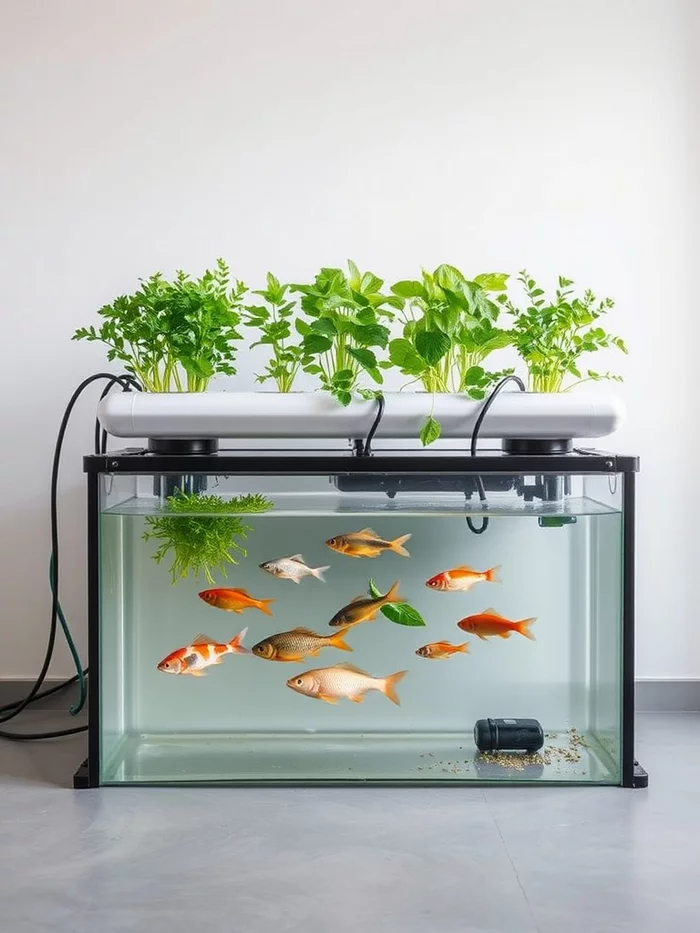
Aquaponics combines fish farming and plant cultivation into a self-sustaining ecosystem. What are the essential components of designing such a system? This guide explores the fundamentals of aquaponics, revealing how to create a productive garden right in your backyard!
What You Will Learn
- The core principles of an aquaponics system and its benefits for sustainable gardening.
- Key components required to build an efficient aquaponics setup: fish tank, grow beds, and sump tank.
- The critical role of beneficial bacteria in nutrient cycling and maintaining water quality.
- Best practices for selecting compatible fish and plants to create a balanced ecosystem.
- How to design an effective layout that promotes growth and ease of maintenance.
- Strategies for optimizing energy efficiency and reducing costs in your aquaponics system.
- The importance of community engagement and resources in enhancing your aquaponics journey.
Aquaponics System Overview: Components & Nutrient Cycle
Explore the symbiotic relationship between fish and plants, highlighting the essential components and the vital nutrient cycle in a self-sustaining aquaponics ecosystem.
Key Aquaponics Components
The foundational elements for a thriving aquaponics system.
- Fish Tank: Aquatic habitat
- Grow Beds: Plant cultivation area
- Sump Tank: Water reservoir & circulation
Aquaponics Nutrient Cycle
The continuous process feeding both fish and plants.
- Fish Waste: Provides ammonia.
- Bacteria Action: Converts ammonia to nitrites, then to nitrates (plant food).
- Plant Absorption: Filters water, absorbing nitrates.
Understanding the Fundamentals of Designing an Aquaponics System
Are you curious about how to merge the worlds of fish farming and plant cultivation? Aquaponics might be the perfect solution for you! This innovative system combines aquaculture (raising fish) and hydroponics (growing plants in water) to create a self-sustaining ecosystem. In this section, we’ll explore the essential components and workings of aquaponics systems, and how you can design one right in your backyard!
Let’s start by breaking down what an aquaponics system is and how it operates. At its core, it’s a closed-loop system where fish waste provides an organic nutrient source for the plants, while the plants help filter and purify the water for the fish. This symbiotic relationship creates a thriving environment for both elements! For a deeper dive into setting up your own system, read our guide on setting up backyard aquaponics.
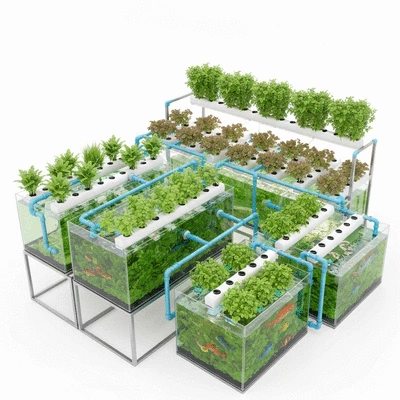
What is an Aquaponics System and How Does It Work?
The beauty of aquaponics lies in its simplicity and efficiency. Using recycled water, you can grow a variety of plants and fish without the need for chemical fertilizers or pesticides. But what exactly are the key components of an aquaponics system? Let’s dive into the essentials!
- Fish Tank: Where your aquatic friends live and thrive.
- Grow Beds: The area where your plants will flourish, absorbing nutrients from the water.
- Sump Tank: A reservoir that helps manage water levels and circulation.
These components work together in a harmonious cycle, making aquaponics a sustainable gardening method that’s gaining popularity across the United States. It's an exciting way to provide fresh produce and fish for your family while enjoying the gardening process!
Key Components of Aquaponics: Fish and Plants
In every aquaponics system, the selection of both fish and plants is crucial. Common fish species include tilapia, goldfish, and trout—each offering unique benefits and challenges in terms of care and compatibility. When it comes to plants, leafy greens like lettuce, herbs, and even tomatoes thrive in aquaponic systems! Choosing the right combination ensures a balanced ecosystem.
It’s essential to think about your local climate and the size of your system when selecting your fish and plants. For instance, if you’re gardening in a cooler area, you might want to opt for fish that can handle the lower temperatures while selecting plants that can grow well in similar conditions. Discover more about compatible plants for aquaponics success.
The Nutrient Cycle: Understanding the Interdependence
The nutrient cycle is the heart of an aquaponics system. Here’s how it works: fish produce waste that contains ammonia, which is toxic to them but serves as a nutrient source for plants. Beneficial bacteria convert this ammonia into nitrites and then into nitrates, which are essential for plant growth. The plants then absorb these nutrients, filtering the water before it returns to the fish!
- 1. Fish Waste: Provides essential nutrients.
- 2. Bacteria Action: Converts harmful ammonia into plant-friendly nitrates.
- 3. Plant Absorption: Cleans the water for fish.
Understanding this cycle is crucial for anyone looking to maintain a healthy aquaponics system. It’s not just about having fish and plants; it’s about creating a balanced ecosystem that supports both.
Exploring the Role of Beneficial Bacteria in Nutrient Cycling
Now, let’s take a closer look at the unsung heroes of aquaponics: the beneficial bacteria! These microorganisms play a vital role in breaking down fish waste and ensuring your plants get the nutrients they need. Without this bacteria, ammonia levels can build up, creating a toxic environment for your fish.
Consider focusing on cultivating bacteria in your system. This can be done by introducing materials like biofilter media that provide a surface for bacteria to thrive. Maintaining a healthy population of beneficial bacteria is key to the longevity and success of your aquaponics system!
The Importance of System Layout in Aquaponics Design
When designing your aquaponics system, the layout is just as critical as the components themselves. An efficient layout ensures optimal growth and ease of maintenance. Let’s explore the essential elements to consider when planning your system!
- Fish Tank: Consider size and location for easy access.
- Grow Beds: Should be strategically placed to maximize sunlight and ease of watering.
- Sump Tank: Keep it out of the way but accessible for maintenance.
By thoughtfully planning your layout, you’ll create a more efficient and successful aquaponics system that not only looks great but also performs optimally! For further guidance on planning, check out our guide to exploring vertical gardening systems, which can offer space-saving layout ideas.
Essential Elements: Fish Tank, Grow Beds, and Sump
To start, your fish tank needs to be large enough to accommodate your desired fish species and ensure their health. The grow beds should be positioned to receive adequate light while being easily accessible to tend to the plants. Lastly, the sump tank helps regulate water levels and can serve as a reservoir for additional water supply when needed. Each component has its place, and together, they create a sustainable system!
Water Flow Mechanics: Plumbing and Gravity Return Systems
Water flow is the lifeblood of any aquaponics system. A well-designed plumbing system ensures that water circulates effectively between the fish tank, grow beds, and sump. Gravity return systems can help reduce energy costs and make for a more efficient setup. Think about using a combination of pumps and gravity to keep things flowing smoothly!
Designing Efficient Grow Beds: Media Beds vs. Deep Water Culture
When it comes to grow beds, you have two popular options: media beds and deep water culture systems. Media beds utilize a growth medium to support plant roots, while deep water culture systems keep plants suspended in water. Both have their advantages, but the choice depends on your space and what you want to grow!
- Media Beds: Provide stability and nutrient retention.
- Deep Water Culture: Allows for faster growth and easier harvesting.
Choosing the right grow bed design can significantly impact your success in aquaponics. So, take your time to assess which method aligns best with your gardening goals!
Pro Tip
Did you know? Maintaining optimal water temperature is crucial for your aquaponics system's health. Fish thrive in specific temperature ranges, and keeping the water within these limits not only promotes fish health but also enhances plant growth. Invest in a reliable thermometer and monitor your system regularly to ensure both your fish and plants are flourishing!
Frequently Asked Questions About Aquaponics Systems
- What is aquaponics?
- Aquaponics is a sustainable farming method that integrates aquaculture (raising fish) and hydroponics (growing plants in water) in a symbiotic, closed-loop system.
- What are the main components of an aquaponics system?
- The essential components include a fish tank (for the aquatic life), grow beds (where plants are cultivated), and a sump tank (for water reservoir and circulation).
- How does the nutrient cycle work in aquaponics?
- Fish waste, containing ammonia, is converted by beneficial bacteria into nitrites and then into nitrates. Plants absorb these nitrates as nutrients, effectively filtering the water for the fish.
- What types of fish and plants can I use in an aquaponics system?
- Common fish species include tilapia, goldfish, and trout. For plants, leafy greens like lettuce and herbs, and even some fruiting plants like tomatoes, thrive in aquaponics systems.
- Why are beneficial bacteria important?
- Beneficial bacteria are crucial for converting toxic fish waste (ammonia) into plant-friendly nutrients (nitrates), ensuring a healthy environment for both fish and plants.
- What should I consider for an efficient system layout?
- Consider the size and location of your fish tank for easy access, strategically place grow beds for optimal sunlight, and ensure your sump tank is accessible for maintenance. Efficient water flow and plumbing are also key.
Long-Term Success in Aquaponics: What to Expect
As you embark on your aquaponics journey, it's important to consider the long-term sustainability of your system. You might be wondering, "Will this be a viable method for my gardening future?" Let’s dive into the key aspects that contribute to the sustainability of your aquaponics system!
Evaluating the Sustainability of Your Aquaponics System
To ensure your aquaponics system thrives for years to come, evaluating its sustainability is crucial. Here are some vital factors to consider:
- Energy Efficiency: Look for ways to minimize energy consumption, which can drastically lower your operating costs.
- Cost Considerations: Factor in initial setup costs versus ongoing maintenance. Are there ways to reduce expenses, like using recycled materials?
- Climate Impact: Understanding your local climate can help you optimize your system for better performance throughout the seasons.
By focusing on these elements, you’ll build a sustainable aquaponics system that can flourish over the long haul. It's all about finding that sweet spot between resource management and environmental responsibility!
Energy Efficiency and Cost Considerations
When designing an aquaponics system, energy efficiency plays a significant role. Using solar panels or energy-efficient pumps can help keep costs down. Additionally, consider the initial investment versus the savings you'll gain over time. Budgeting wisely leads to a sustainable operation that benefits both your wallet and the environment.
As for the cost considerations, think about the materials you use. Are there options that reduce costs while maintaining quality? Recycling materials, for example, can give your system an eco-friendly edge!
Understanding the Impact of Climate on Your System
Your local climate significantly influences the success of your aquaponics system. For instance, if you live in a warmer region, you may need to monitor water temperatures closely, while cooler climates might require heating elements. Understanding these nuances helps ensure your system operates efficiently!
Don’t forget to research how the seasons affect plant growth and fish behavior. Adjust your system's design to accommodate these changes, and you’ll be on your way to a thriving aquaponics garden!
Benefits of Organic Farming Practices in Aquaponics
One of the many advantages of aquaponics is the ability to implement organic farming practices. By avoiding synthetic fertilizers and pesticides, you can cultivate fresh, healthy produce while protecting the ecosystem. It’s a win-win for you and the environment!
Using organic methods not only enhances your plants' health but also contributes to a more sustainable gardening practice overall. Remember, growing organically is about creating a self-sustaining ecosystem that can yield delicious results for your table!
Engaging with Community Resources and Support
No gardener is an island! Engaging with community resources can be incredibly beneficial as you navigate your aquaponics project. Here are some ways to connect:
- Online Forums: Look for forums and social media groups dedicated to aquaponics enthusiasts. Sharing experiences can lead to valuable insights!
- Local Groups: Joining local gardening clubs or aquaponics meetups can provide hands-on support and networking opportunities.
- Workshops: Participating in workshops can help you gain practical skills and deepen your understanding of aquaponics.
These community connections not only inspire you but also provide a support network as you grow your knowledge and skills in aquaponics!
Finding Online Forums and Local Groups for Aquaponics Enthusiasts
Online platforms like Reddit or Facebook groups are fantastic spaces to exchange tips and tricks. You can ask questions, share your progress, and learn from others’ experiences. Plus, seeing how others have tackled challenges can inspire your own problem-solving!
Utilizing Visual Planning Assets: Schematics and Worksheets
Visual aids like schematics and worksheets can greatly enhance your planning process. Creating a clear layout of your system helps you visualize how everything will come together. With well-organized plans, you can approach your project with confidence!
Participating in Aquaponics Workshops for Skill Development
Workshops offer hands-on learning experiences that can deepen your understanding of aquaponics. You might even get to build a small system in a class setting! So, keep an eye out for local workshops in your area; they can be a game-changer for your gardening journey. For more skill-building, explore our guide on organic gardening tips for beginners.
Get Started with Your Aquaponics Journey Today
Final Thoughts on Designing Your Aquaponics System
As you consider all these aspects, remember that starting your aquaponics system is an exciting adventure! I encourage you to take that first step and dive into this unique approach to gardening!
Encouragement to Begin Your DIY Project
Building your own aquaponics system can be a wonderful project, especially when you see the fruits of your labor flourishing right before your eyes. You are capable of creating a sustainable, productive system—trust in your abilities!
Call to Action: Share Your Experiences and Questions
Don’t hesitate to reach out! I love hearing about your experiences and the challenges you face in aquaponics. Share your questions, thoughts, or successes with me at All American Gardeners, and let’s grow together!
Recap of Key Points
Here is a quick recap of the important points discussed in the article:
- Aquaponics combines fish farming and plant cultivation in a self-sustaining ecosystem.
- Key components include the fish tank, grow beds, and sump tank, all working together in a nutrient cycle.
- Selecting the right fish and plants is crucial for creating a balanced environment.
- Beneficial bacteria are essential for converting fish waste into nutrients for plants.
- System layout plays a vital role in efficiency—consider size and placement of all components.
- Water flow mechanics are critical; use a combination of pumps and gravity for optimal circulation.
- Evaluate energy efficiency and cost considerations for long-term sustainability.
- Engage with community resources for support and knowledge sharing as you embark on your aquaponics journey.

 Why settle for store-bought herbs when you can grow your own at home, in any space? Hydroponic garde
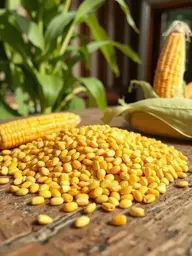 Ready to transform your gardening experience? Selecting the right sweet corn seeds can make all the
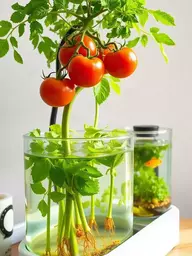 Imagine harvesting juicy, flavorful tomatoes while actively contributing to sustainable agriculture.
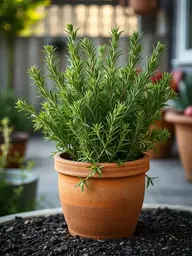 What if I told you that the secret to growing robust rosemary lies in the soil beneath your feet? Un
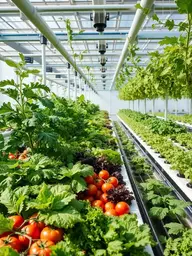 Have you ever wondered how innovative techniques in gardening can reshape our food production? Hydro
 As you prepare to embark on your journey of growing garlic, consider this: garlic cultivation isn't