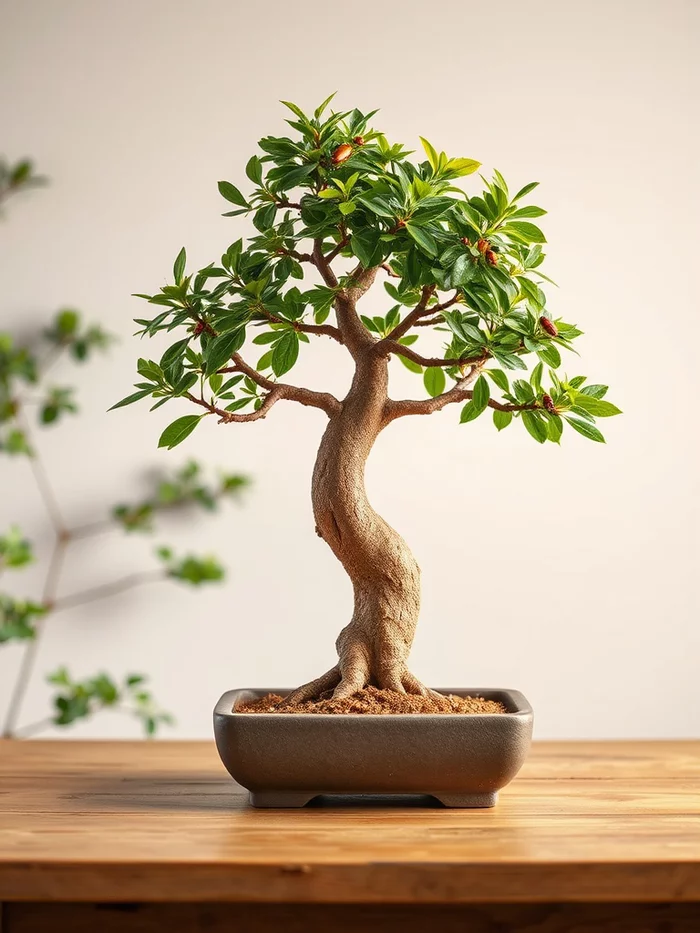
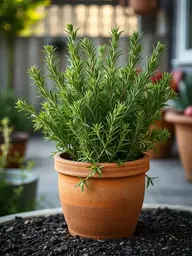
Imagine the satisfaction of nurturing a beautiful bonsai tree, only to find it infested with pests. Understanding how to manage these invaders can save your beloved plants and enhance your gardening experience. Let's dive into the essential strategies for protecting your bonsai collection.
What You Will Learn
Identifying common bonsai pests such as aphids, spider mites, and mealybugs is crucial for early intervention.
Recognizing the symptoms of infestations, including yellowing leaves and sticky residues, helps in prompt action.
Implementing a pest management plan tailored to your bonsai's specific needs can enhance their health and longevity.
Understanding treatment options, both natural and chemical, allows for informed decisions to protect your plants effectively.
Bonsai Pest Management Strategies
Effective pest management for bonsai trees relies on a three-pronged approach: early identification, appropriate treatment, and consistent prevention. For more general advice on plant care, check out our plant care tips for home gardeners.
Early Identification
Knowing common pests and their symptoms (yellowing leaves, sticky residue, tiny webs) is crucial. Regular inspections help catch issues before they escalate.
Discoloration or wilting leaves
Unusual spots or markings
Visible pests (aphids, mites, mealybugs)
Treatment Options
Choose between natural and chemical solutions based on infestation severity. Always read labels and apply responsibly.
Natural: Neem oil, insecticidal soaps
Chemical: Targeted pesticides for severe cases
Fungal: Address black spot or powdery mildew
Prevention & Proactive Care
Implement good practices like routine inspections, proper watering, and creating a personalized pest management plan.
Regular monitoring and checks
Maintain a pest sighting journal
Engage with the bonsai community
Understanding Bonsai Tree Pests: Importance of Early Identification
As a passionate gardener, I've always been fascinated by the delicate beauty of bonsai trees. However, with such beauty comes the responsibility of ensuring their health and vitality. Early identification of pests is crucial to maintaining a thriving bonsai collection. By recognizing the signs of infestations early, you can take preventative measures and avoid significant damage!
Recognizing Common Bonsai Tree Pests
Understanding which pests frequently attack bonsai trees is the first step in safeguarding your plants. Here’s a look at some of the most common culprits:
Aphids
Spider Mites
Mealybugs
Scale Insects
Whiteflies
Thrips
By knowing these pests, you can better prepare yourself to recognize their signs and protect your bonsai from potential harm. For broader natural pest control options in your garden, explore our natural pest control for gardens guide.
Detailed Look at Aphids: Symptoms and Identification
Aphids are tiny, sap-sucking insects that can wreak havoc on your bonsai trees. You may notice yellowing leaves or curling foliage as they feed. Look for clusters on the undersides of leaves—this is where they typically hide! The sooner you spot them, the easier they are to manage.
Spider Mites: How to Spot Infestations
Spider mites are another common pest that loves to attack bonsai trees, particularly when conditions are dry. Look for tiny webs on your trees and tiny yellow or brown spots on the leaves. If you see these signs, it's vital to act quickly to prevent further damage!
Mealybugs: Identifying the Signs of Damage
Mealybugs appear as white, cottony masses on stems and leaves. They can be difficult to spot at first, but if you notice a sticky residue (honeydew) on your bonsai, it’s likely mealybugs are present. Regular checks can help you catch them early before they multiply!
Scale Insects: Recognizing and Confirming Presence
Scale insects can be sneaky! They often look like small bumps on the stems of your bonsai. If you gently scrape one off and find a sticky residue, you've identified scale insects. They can be quite destructive if not managed quickly!
Whiteflies and Their Impact on Bonsai Health
Whiteflies are another pest that loves bonsai trees. You may notice them flying up when you disturb the plant. These tiny, white insects can cause leaf drop and weakening of your tree. Paying attention to any sudden changes can help you catch them in time!
Understanding Thrips: Signs of Infestation
Thrips are tiny, slender insects that can cause significant damage by feeding on the leaves. Look for silver streaks and black specks on your plants, which are signs of their feeding. Don't let these pests take hold; proactive care is essential!
Assessing Damage: What to Look For
Identifying pest infestations is just the beginning—the next step is assessing the damage they cause. You should be familiar with visual symptoms and common damage patterns in your bonsai trees.
Visual Symptoms of Pest Infestations
Keep an eye out for changes like yellowing leaves, wilting, or abnormalities in growth. Spider webs, sticky residues, and tiny insects are all visuals indicating pests might be present. Regular monitoring is key!
Common Damage Patterns in Bonsai Trees
Each pest leaves unique damage patterns. For example, aphids may cause curling leaves, while mealybugs can lead to stunted growth. Understanding these patterns can help you diagnose problems quickly and take appropriate action.
Identifying Fungal Infections: Black Spot and Powdery Mildew
Besides pests, fungi can also plague your bonsai. Black spot and powdery mildew are common fungal infections that can affect the health of your trees. Look for dark spots on leaves or a white, powdery substance. Addressing these issues early can save your bonsai from severe distress!
Pro Tip
Did you know? Regularly rotating your bonsai trees can help prevent pest infestations! By exposing all sides of your trees to sunlight and airflow, you can create an environment that deters pests and promotes healthy growth. Remember, a little change can go a long way in keeping your bonsai thriving!
Summary of Key Strategies for Managing Bonsai Tree Pests
As a passionate gardener, I understand how critical it is to be proactive in caring for your bonsai trees. Effective pest management revolves around three core strategies: identification, treatment, and prevention. By recognizing pest signs early and responding swiftly, you can keep your bonsai healthy and thriving!
Here's a quick recap of what we've covered:
Identification: Knowing the common pests and their symptoms is the first step to protecting your plants.
Treatment: Utilizing natural or chemical options based on the severity of the infestation will help manage pests effectively.
Prevention: Implementing good practices, like routine inspections and proper care, can stop pests before they become a problem.
Recap of Identification, Treatment, and Prevention
In summary, the importance of early detection cannot be overstated. The sooner you recognize an issue, the easier it is to address it before it escalates into a full-blown crisis. Regularly inspecting your bonsai trees for signs of pests is a habit I encourage every gardener to adopt.
When it comes to treatment options, you have choices! I always recommend starting with natural remedies. However, if the situation worsens, chemical treatments can be effective, too. It's essential to weigh the pros and cons of each method before making decisions to ensure the longevity and health of your plants. For a deeper understanding of bonsai tree care tips, explore our detailed guide.
Importance of Early Detection and Response
Why is early detection so crucial? Because pests can spread rapidly! Take a moment to regularly check your bonsai for any unusual discoloration or webbing. If you spot something, respond quickly. Your trees will thank you! Here are some signs to look for:
Discoloration or wilting leaves
Unusual spots or markings on foliage
Visible pests on or around the plant
Natural vs. Chemical Treatments: Making Informed Choices
As you consider your treatment options, think about the balance between natural and chemical solutions. Natural remedies, like neem oil and insecticidal soaps, offer a gentler approach and can be very effective for minor infestations. Conversely, chemical options might be necessary for severe cases, but they come with risks to your bonsai’s surrounding environment. Always read labels and apply responsibly!
Frequently Asked Questions (FAQs) About Bonsai Pest Management
What are the most common pests found on bonsai trees?
The most common pests include aphids, spider mites, mealybugs, scale insects, whiteflies, and thrips.
How can I identify a pest infestation early?
Look for visual symptoms such as yellowing or curling leaves, sticky residue (honeydew), tiny webs, unusual spots, or visible insects on the undersides of leaves and stems. Regular inspections are key.
What are the typical signs of damage caused by spider mites?
Spider mite infestations are often indicated by tiny webs on your bonsai and small yellow or brown spots on the leaves.
What is the sticky residue I sometimes see on my bonsai?
A sticky residue, known as honeydew, is typically a sign of sap-sucking pests like aphids or mealybugs.
Should I use natural or chemical treatments for bonsai pests?
For minor infestations, natural remedies like neem oil and insecticidal soaps are often effective and gentler. Chemical treatments may be necessary for severe cases, but always read labels and apply them responsibly, considering potential risks to your plant and environment.
How can I prevent pests from infesting my bonsai trees?
Prevention includes routine inspections, proper watering, ensuring adequate sunlight and airflow, and maintaining a pest sighting journal. Engaging with the bonsai community can also provide valuable tips and support.
What are common fungal infections in bonsai trees?
Common fungal infections include black spot and powdery mildew, which appear as dark spots or a white, powdery substance on leaves.
Take Action: Protecting Your Bonsai Collection
Next Steps for Bonsai Owners
Now that you have a solid foundation in pest management strategies, it’s time to take action! Protecting your bonsai collection is essential for ensuring your plants remain a source of joy and beauty.
Creating Your Personal Pest Management Plan
Start by developing a personalized pest management plan tailored to your unique garden. Consider the types of bonsai you have, their specific needs, and your local climate conditions. You might find it helpful to maintain a journal where you can track pest sightings and treatments. This way, you can spot trends over time and refine your approach!
Engaging with the Bonsai Community for Support
Don’t forget to connect with the broader bonsai community! Joining local gardening clubs or online forums can provide invaluable support. Sharing experiences and tips with fellow bonsai enthusiasts can enhance your understanding and help you gain insights into what works best for your trees. For more on general gardening practices, our guide to organic gardening tips for beginners offers great foundational knowledge.
Let's embrace the garden journey together, and remember, your bonsai trees can flourish with a little care and attention!
Recap of Key Points
Here is a quick recap of the important points discussed in the article:
Identification: Recognize common bonsai pests such as aphids, spider mites, and mealybugs to protect your plants.
Treatment: Use natural remedies like neem oil for minor infestations; consider chemical treatments for severe cases.
Prevention: Implement regular inspections and proper care routines to prevent pest problems before they start.
Early Detection: Regularly check for signs of discoloration, webbing, or pests to catch issues early.
Community Engagement: Connect with fellow bonsai enthusiasts for support and shared knowledge.
Subscribe & Share
2026-08-28
Growing Herbs with Hydroponics
Why settle for store-bought herbs when you can grow your own at home, in any space? Hydroponic garde
2026-08-27
Growing Sweet Corn from Seeds
Ready to transform your gardening experience? Selecting the right sweet corn seeds can make all the
Growing Your Own Garlic Bulbs
As you prepare to embark on your journey of growing garlic, consider this: garlic cultivation isn't
All American Gardeners
Your premier online resource for mastering home gardening across the U.S. We empower American home gardeners with expert tips, step-by-step guides, and sustainable practices for thriving outdoor spaces.
Trusted by gardeners nationwide, our mission is to provide reliable, easy-to-follow insights backed by Clara M. Greene's extensive horticulture experience and practical advice.