Cultivate Your Best Garden!

Join Clara M. Greene's community for expert tips and seasonal guides tailored for American gardeners.

Understanding Hydroponic Fertilizer Basics


Understanding Hydroponic Fertilizer Basics

Posted on: 2026-07-01
By: Clara M. Greene


Did you know that the choice of fertilizer can significantly affect both the growth rate and health of your plants in a hydroponic system? Understanding hydroponic fertilizers is crucial for any home gardener looking to optimize their yields. Here’s a quick summary of the key insights you’ll gain from this article.

What You Will Learn

  • Hydroponic fertilizers are specially formulated nutrient solutions that provide essential minerals for plants grown without soil.
  • There are two main types of hydroponic nutrients: liquid and dry, each with its own advantages and disadvantages.
  • The choice between organic and synthetic fertilizers affects both plant growth speed and environmental sustainability.
  • Key macronutrients like nitrogen, phosphorus, and potassium, along with micronutrients, are critical for ensuring healthy plant development.
  • Long-term cost analysis of fertilizers helps in determining the true value of your investment in a hydroponic system.
  • Choosing the right growth media, such as Rockwool or Coco Coir, is equally important for optimizing plant health and nutrient uptake.

Hydroponic Fertilizer & Growth Media Comparison

Selecting the right hydroponic fertilizers and growth media is crucial for plant success. Below is a comparison of common types, their advantages, disadvantages, and key considerations. For more in-depth information on setting up your system, check out our beginner's guide to starting hydroponics.

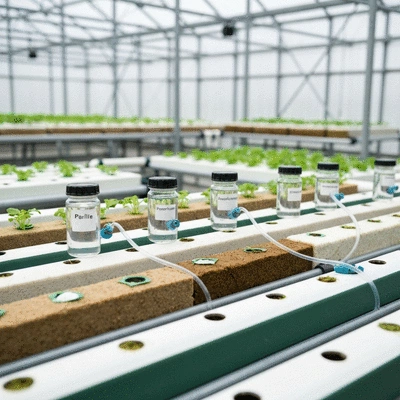
Hydroponic system with various growth media and fertilizer options

Liquid vs. Dry Nutrients

Liquid Nutrients
  • Easy mixing & quick absorption.
  • More expensive, frequent application.
Dry Nutrients
  • Cost-effective, longer shelf life.
  • Requires precise mixing, can clump.

Organic vs. Synthetic Fertilizers

Organic Options
  • Slower acting, improves soil health.
  • Derived from natural materials.
Synthetic Options
  • Fast-release nutrients, quick uptake.
  • Can lead to imbalances/runoff.

Key Macronutrients & Micronutrients

  • Nitrogen: Growth & leaf development.
  • Phosphorus: Root development & flowers.
  • Potassium: Water & nutrient movement.
  • Calcium Nitrate: Cell wall strength.
  • Magnesium Sulfate: Photosynthesis.

Popular Hydroponic Growth Media

  • Rockwool: Moisture retention, aeration.
  • Coco Coir: Sustainable, holds moisture well.
  • Vermiculite: Lightweight, holds water, nutrient availability.
  • Perlite: Excellent drainage & aeration.

Understanding Hydroponic Fertilizers: A Comprehensive Guide

As a home gardener, you might be curious about how to enhance your plants' growth in a hydroponic system. That's where hydroponic fertilizers come into play! These specialized nutrients are essential for delivering the right balance of minerals and elements that your plants need to thrive without soil. Let's dive into the basics of these fertilizers and how they can transform your gardening experience!

What are Hydroponic Fertilizers?

Exploring the Basics of Nutrient Solutions for Hydroponic Systems

Hydroponic fertilizers are nutrient solutions specifically formulated to support plants grown in water-based environments. Since there’s no soil to provide nutrients, these solutions contain a mix of macro and micronutrients that are easily absorbed by the plant roots. This tailored approach allows for faster growth and often results in more vibrant, healthier plants!

Whether you're growing leafy greens, herbs, or fruiting plants, understanding hydroponic fertilizers is key to maximizing your yields. The great thing is, many fertilizers on the market are designed for different types of plants, so you can choose one that fits your specific needs perfectly. For further reading on different hydroponic setups, explore our guide on understanding hydroponic systems today.

Types of Hydroponic Nutrients: Liquid vs. Dry

Advantages and Disadvantages of Different Forms

When selecting hydroponic fertilizers, you'll find them in two main forms: liquid and dry. Each has its own benefits and potential drawbacks.

  • Liquid Nutrients: Easily mixed into your water solution, they offer quick absorption. However, they can be more expensive and might need more frequent application.
  • Dry Nutrients: Typically more cost-effective and have a longer shelf life. They may require more precise mixing to avoid clumping and uneven distribution.

Choosing between these options often comes down to personal preference and the specific requirements of the plants you’re growing. Think about your gardening style and needs before making your choice!

Organic vs. Synthetic Hydroponic Fertilizers

Understanding Nutrient Sources and Their Impact on Plant Growth

Another important consideration is whether to use organic or synthetic fertilizers. Organic fertilizers are derived from natural sources, and they often improve soil health over time. On the other hand, synthetic fertilizers provide immediate nutrient availability, which can accelerate plant growth!

  • Organic Options: Typically slower acting, they enhance long-term soil health and biodiversity.
  • Synthetic Options: Fast-release nutrients that allow for quick plant uptake, but they can lead to nutrient imbalances if not managed carefully.

Ultimately, the choice between organic and synthetic hydroponic fertilizers can depend on your gardening philosophy and the specific goals you have for your plants.

Key Macronutrients and Micronutrients in Hydroponic Fertilizers

Importance of Calcium Nitrate, Magnesium Sulfate, and More

Understanding the key macronutrients and micronutrients in hydroponic fertilizers is crucial for any gardener. Some of the most important nutrients include:

  • Nitrogen: Essential for plant growth and leaf development.
  • Phosphorus: Important for root development and flower production.
  • Potassium: Helps regulate water and nutrient movement in plants.
  • Calcium Nitrate: Promotes cell wall strength and supports overall plant structure.
  • Magnesium Sulfate: Vital for photosynthesis and chlorophyll production.

Each of these nutrients plays a unique role in plant health. By ensuring your hydroponic system has the right balance of these elements, you can foster an environment where your plants truly flourish! For a comprehensive look at essential nutrients for hydroponics, read our article on essential hydroponic nutrients explained.

Interactive Poll: Your Thoughts on Fertilizers

As you consider your options for hydroponic fertilizers, we want to know: Do you prefer organic or synthetic fertilizers for your hydroponic garden? Share your preference below!

Frequently Asked Questions About Hydroponic Fertilizers

What are the primary types of hydroponic nutrients?

Hydroponic nutrients primarily come in two forms: liquid and dry. Liquid nutrients are easy to mix and quickly absorbed but can be more expensive. Dry nutrients are cost-effective with a longer shelf life but require precise mixing.

What is the difference between organic and synthetic hydroponic fertilizers?

Organic fertilizers are derived from natural sources, are slower acting, and can improve soil health. Synthetic fertilizers are fast-release, providing immediate nutrient availability, but require careful management to avoid imbalances.

Which macronutrients are essential for hydroponic plants?

Key macronutrients include Nitrogen (for growth and leaf development), Phosphorus (for root development and flowers), and Potassium (for water and nutrient movement).

What role do micronutrients play in hydroponics?

Micronutrients like Calcium Nitrate (for cell wall strength) and Magnesium Sulfate (for photosynthesis) are vital for overall plant health and specific metabolic functions.

How do I choose the right growth media for my hydroponic system?

Popular growth media include Rockwool (good moisture retention, aeration), Coco Coir (sustainable, holds moisture), Vermiculite (lightweight, holds water), and Perlite (excellent drainage and aeration). Your choice depends on your specific growing goals and system requirements.

Long-Term Considerations for Hydroponic Fertilizer Use

As you embark on your hydroponic journey, it's essential to think about the long-term implications of your fertilizer choices. Understanding how these nutrients impact both your garden and your wallet can make a big difference! Let's dive into some critical aspects that every hydroponic gardener should consider for sustained success.

Cost Analysis: Understanding the Value of Your Investment

When we talk about hydroponic fertilizers, cost isn't just about the purchase price. You need to evaluate the cost-per-liter over the entire growing cycle. This approach helps you determine the true value of your investment.

  • Calculate the total cost of your fertilizer per liter used.
  • Consider the quantity of plants you can nourish with that amount.
  • Think about the yield you'll receive from your plants.

By breaking down these factors, you can make smarter purchasing decisions! Remember, while some fertilizers may seem expensive upfront, their efficiency could lead to higher yields and better quality produce, ultimately saving you money in the long run.

Environmental Impact: Organic vs. Synthetic Fertilizers

As someone who cares about sustainable gardening, I often contemplate the environmental implications of my choices. When it comes to hydroponic fertilizers, the debate between organic and synthetic options is significant. Each has its pros and cons that can affect not only your garden but also the planet!

  • Organic fertilizers: Typically sourced from natural materials, they can improve soil health and promote biodiversity.
  • Synthetic fertilizers: Generally more concentrated and easier to use, but they can lead to nutrient runoff and soil depletion when used improperly.
  • Consider the carbon footprint of production and transportation for both types.

By assessing the sustainability of your nutrient choices, you can align your gardening practices with your values. Think of it as a way to grow not just plants, but a healthier environment!

Choosing the Right Hydroponic Growth Media

The right growth media is just as crucial as the nutrients you use. With many options available, it can be overwhelming to pick the best one for your setup. Here’s a quick comparison to guide you:

  • Rockwool: Excellent for moisture retention and aeration, but it can be challenging to dispose of.
  • Coco Coir: A sustainable choice made from coconut husks, it holds moisture well and is biodegradable.
  • Vermiculite: Lightweight and great at holding water, it can also enhance nutrient availability.
  • Perlite: Ideal for drainage and aeration, making it a popular choice for many hydroponic systems.

When selecting your media, consider how each option aligns with your growing goals. Remember, the right combination of fertilizers and media can lead to thriving plants and bountiful harvests!

Your Next Steps in Hydroponic Gardening

With your head full of valuable information about hydroponic fertilizers, let's focus on making your next steps as effective as possible! For more insights on organic gardening practices that can complement your hydroponic efforts, check out our organic gardening tips for beginners.

Recap of Key Points

Here is a quick recap of the important points discussed in the article:
  • Hydroponic fertilizers are essential for providing the right balance of nutrients to plants grown in water without soil.
  • Choose between liquid and dry nutrients based on absorption speed, cost, and ease of use for your specific plants.
  • Consider organic versus synthetic fertilizers based on your gardening philosophy and desired plant growth rate.
  • Key macronutrients include nitrogen, phosphorus, and potassium, while micronutrients like calcium and magnesium are vital for plant health.
  • Evaluate the cost-per-liter of fertilizers to understand their long-term value and impact on your gardening budget.
  • Assess the environmental impact of your fertilizer choices to align your gardening practices with sustainable values.
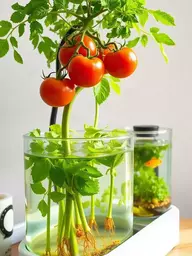
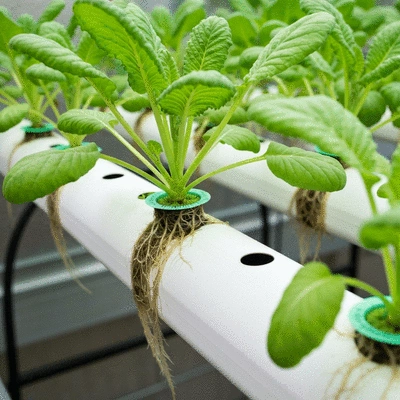
Hydroponic plants thriving with the right nutrients
Subscribe & Share
Caring for Azalea Bonsai Flowers Caring for Azalea Bonsai Flowers Caring for azalea bonsai can transform your gardening experience, turning a simple hobby into a vibr
Growing Hydroponic Lettuce at Home Growing Hydroponic Lettuce at Home Hydroponic gardening is revolutionizing how we grow our food. With innovative techniques and sustain
Bonsai vs. Pre-Bonsai Explained Bonsai vs. Pre-Bonsai Explained What if your next gardening project was not just about planting but creating a living art piece? Und
Creating a Chamomile Garden Creating a Chamomile Garden Did you know that incorporating chamomile in your garden can do more than just provide beautiful blo
Growing Green Bean Seeds Easily Growing Green Bean Seeds Easily Did you know that the right soil preparation can significantly impact the success of your green bean
Growing Thai Basil from Seeds Growing Thai Basil from Seeds Did you know that incorporating herbs like Thai basil can significantly enhance both the flavor of y
Banner
All American Gardeners

Your premier online resource for mastering home gardening across the U.S. We empower American home gardeners with expert tips, step-by-step guides, and sustainable practices for thriving outdoor spaces.

Trusted by gardeners nationwide, our mission is to provide reliable, easy-to-follow insights backed by Clara M. Greene's extensive horticulture experience and practical advice.

Cultivate Your Garden
Recent Posts
Caring for Azalea Bonsai Flowers Caring for Azalea Bonsai Flowers

Caring for azalea bonsai can transform your garden

Growing Hydroponic Lettuce at Home Growing Hydroponic Lettuce at Home

Hydroponic gardening is revolutionizing how we gro

Bonsai vs. Pre-Bonsai Explained Bonsai vs. Pre-Bonsai Explained

What if your next gardening project was not just a

Gardening Wisdom from All American Gardeners