Macronutrients & Their Role
- ✓Nitrogen: Leaf growth & vigor.
- ✓Phosphorus: Root development & flowering.
- ✓Potassium: Water regulation & resilience.
Join Clara M. Greene's community for expert tips and seasonal guides tailored for American gardeners.
Have you ever considered how plants can flourish in the absence of soil? With hydroponics, you can create a thriving garden right in your home. Understanding the essentials of hydroponic nutrient solutions is crucial for unlocking your gardening potential.
This visual outlines the crucial macronutrients and micronutrients required for hydroponic plant growth, alongside common challenges and their solutions in nutrient management. For those just starting, our guide on starting hydroponics for beginners offers a great foundation.
As a passionate gardener, I've always been fascinated by how plants can thrive without soil. That’s where hydroponic nutrient solutions come into play! In this section, we’ll delve into what these solutions are and why they are vital for successful hydroponic gardening. Understanding these concepts can transform your approach to growing plants indoors or in limited space.
A hydroponic nutrient solution is a carefully balanced mixture of water and essential nutrients that plants need to grow. Instead of relying on soil, plants absorb nutrients directly from the solution, allowing for faster growth and higher yields. This method is not just for commercial growers but also for home gardeners looking to maximize their space and harvest. Interested in learning more? Let's dive deeper!
At its core, a hydroponic nutrient solution contains all the minerals and elements that plants require for their development. These solutions are formulated to provide nutrients in a form that plants can easily absorb. The beauty of hydroponics lies in its flexibility; you can mix your own nutrient solutions or buy pre-made ones! Here are some key components:
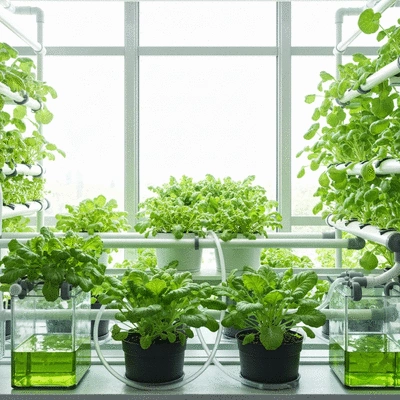
Hydroponic systems are particularly beneficial because they eliminate the variability of soil, providing a controlled environment where you can monitor plant health closely. And trust me, once you see those greens thriving, you'll be hooked! If you’re considering starting your own system, check out our guide on understanding hydroponic systems.
Nutrients play a crucial role in the health and productivity of your hydroponic plants. They are the lifeblood that allows your plants to photosynthesize, grow, and produce fruit. Without the right balance of nutrients, even the best hydroponic setup can fail. Here’s why proper nutrient management is essential:
In my experience, paying attention to nutrient needs can dramatically improve your crop yield. It’s fascinating how a little tweak here or there can lead to a bounty of fresh produce!
To ensure your plants flourish, it’s crucial to understand both macronutrients and micronutrients. These elements are often categorized based on how much of each plant needs. Let’s explore the most important ones!
Nitrogen, phosphorus, and potassium—often referred to as NPK—are the primary macronutrients your plants need. Each plays a vital role in plant health:
By maintaining a balance of these nutrients, you give your plants the best chance to thrive! It's like giving them a well-rounded meal.
While they are needed in smaller quantities, micronutrients are just as important as macronutrients for healthy plant growth. Here are a few essential ones to keep in mind:
When these micronutrients are in balance, you’ll notice stronger plants that produce better yields. It’s all about creating a harmonious environment for them to thrive!
We'd love to hear from you! What aspect of hydroponic nutrient management do you find most challenging? Choose one of the options below:
As a passionate gardener, I've learned that managing hydroponic nutrients can be a bit of a balancing act! Whether you're a novice or have some experience, understanding the challenges that come with nutrient management is vital for achieving a thriving garden. Let’s dive into some common issues and how to tackle them effectively.
One of the first steps in addressing nutrient management challenges is being able to identify when your plants are lacking something essential. Nutrient deficiencies can manifest in various ways, and recognizing the signs early can save your plants from more severe damage.
By keeping an eye on these symptoms, you can make timely adjustments to your nutrient solution. Always remember that healthy plants are observant plants! For further reading on troubleshooting, explore our article on fixing common plant issues.
To make your hydroponic gardening journey even smoother, having a visual troubleshooting guide can be invaluable. I often recommend keeping a chart handy that illustrates common nutrient deficiency symptoms alongside their corresponding solutions. This way, you can quickly refer to it whenever you notice something off in your plants.
Having such a guide not only helps in identifying problems but also boosts your confidence as a gardener. Remember, troubleshooting is just part of the learning process!
Hydroponic systems can encounter various challenges, but with the right strategies, you can keep your plants healthy and productive. Here are some common issues faced by hydroponic growers and their solutions:
By being proactive and implementing these solutions, you can create a more resilient growing environment. Remember, every challenge is an opportunity to learn and grow—just like your plants!
Maintaining your hydroponic system is crucial for ensuring your plants receive the nutrients they need. Here are a few tips that I’ve found helpful:
With regular maintenance, you'll set your plants up for success! Remember, a happy plant often leads to a happier gardener.
A: It's a water-based mixture containing all the essential minerals and elements plants need to grow without soil, delivered directly to their roots.
A: They provide plants with all necessary nutrients in an easily absorbable form, leading to faster growth, higher yields, and better plant health by eliminating soil variability.
A: Nitrogen (for leaf growth), Phosphorus (for root development and flowering), and Potassium (for water regulation and resilience) are the primary macronutrients.
A: Look for symptoms like yellowing leaves (nitrogen deficiency), stunted growth (phosphorus deficiency), brown leaf tips (potassium deficiency), or chlorosis (magnesium deficiency).
A: Common issues include algae growth (maintain cleanliness, manage light), pH imbalance (regularly test and adjust pH), and poor water quality (use distilled or filtered water).
As we wrap up this section on hydroponic nutrient management, remember that maintaining healthy plants through proper nutrient practices is essential for success. Each step you take contributes to a vibrant, thriving garden. Embrace the process!
In the ever-evolving world of hydroponic technology, staying informed about the latest trends and research can pave the way for even greater gardening success. Enjoy experimenting with your nutrient solutions, and don't hesitate to reach out to fellow gardeners for support and shared experiences!
So, what are you waiting for? Dive into your hydroponic journey and let’s grow together! Discover more about cultivating specific plants with our guide on growing hydroponic lettuce at home.
Here is a quick recap of the important points discussed in the article: