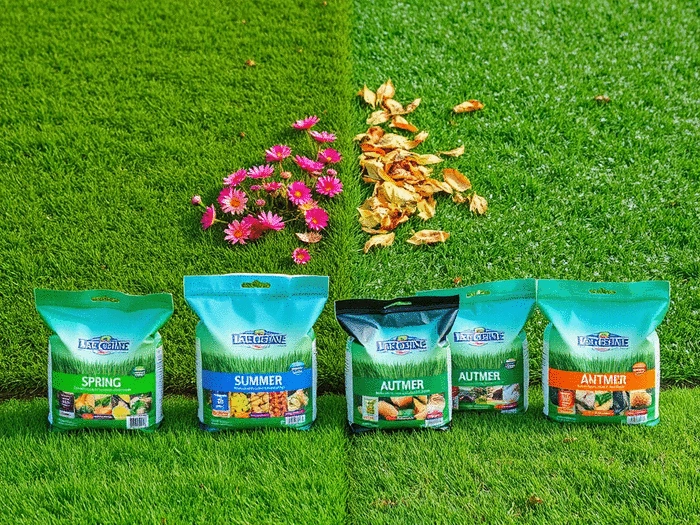
As the seasons change, so too does the care your lawn requires. Are you making the most informed choices for your grass? Understanding the nuances of seasonal fertilization can transform your lawn from ordinary to extraordinary!
What You Will Learn
Choosing the right fertilizer for each season boosts grass health and color.
Grass type significantly influences fertilizer selection to meet specific nutrient needs.
Integrating aeration and overseeding with fertilization promotes a healthier lawn.
Understanding soil pH is essential for proper nutrient availability and effective fertilization.
Evaluating cost-effectiveness is crucial when selecting fertilizers for your budget.
Knowing the pros and cons of organic versus synthetic fertilizers aids in making suitable choices for lawn health.
Environmental impacts of fertilizer usage can inform more sustainable gardening practices.
Lawn Care Practices: A Unified Approach
Maintaining a vibrant lawn requires a holistic approach, combining seasonal fertilization with other essential practices for optimal growth and resilience. The diagram below illustrates how these elements work together. For more insights on maintaining a pristine lawn, check out our guide on mowing tips for healthy turf.
Seasonal Fertilization Focus
Spring: High Nitrogen
Cool-Season Grasses: Spring & Fall
Warm-Season Grasses: Summer
Integrated Practices
Aeration: Improves nutrient absorption
Overseeding: Fills bare spots, enhances density
Soil pH Testing: Optimal range 6.0-7.0
Cost-Effectiveness Factors
Application Rates: Check label efficiency
Coverage Area: Cost per square foot
Seasonal Needs: Avoid over-purchasing
Environmental Impact
Organic: Improves soil health, slower results
Synthetic: Quick results, potential runoff
Local Regulations: Ensure compliance
Understanding Lawn Fertilization: A Seasonal Approach
When it comes to creating a vibrant and healthy lawn, understanding seasonal fertilization is essential! The right fertilizer can make a world of difference in how your grass thrives throughout the year. As a passionate gardener, I’m excited to share insights that can help you make informed choices for your lawn.
Choosing the right fertilizer is not just about grabbing any bag off the shelf. It’s about understanding what your lawn needs during each season. For instance, using a fertilizer rich in nitrogen in spring can give your lawn the boost it needs to grow lush and green. Let’s explore why this matters so much.
Why Choosing the Right Fertilizer Matters for Your Lawn
Enhances Soil Quality: The right nutrients enrich the soil, supporting overall lawn health.
Reduces Pest Problems: Healthy grass can better resist pests and diseases.
As I always say, a well-fertilized lawn is like a healthy diet for your plants! Choosing the right fertilizer not only boosts growth but also ensures your lawn can withstand environmental challenges throughout the seasons.
How Grass Types Influence Fertilizer Selection
Your lawn’s grass type plays a significant role in determining which fertilizer to use. Different grasses have unique nutrient requirements and growth patterns, which means a one-size-fits-all approach won't work! For more information on different varieties, consider exploring grass types for US climate zones.
Cool-season grasses thrive in the northern U.S. and benefit from fertilizers rich in nitrogen in the spring and fall.
Warm-season grasses are ideal for the southern regions and require different nutrient ratios, especially during the summer.
Understanding these differences is crucial for selecting the right products and achieving the best results.
By matching your fertilizer choice to your grass type, you’re setting your lawn up for success! It’s all about giving your grass the specific care it craves, leading to a lush and healthy outdoor space.
We Want to Hear From You!
What is your biggest challenge when it comes to lawn fertilization? Share your thoughts below:
Year-Round Lawn Maintenance: Integrating Fertilization with Other Practices
Maintaining a vibrant lawn requires more than just seasonal fertilization; it's about creating a holistic care plan! By integrating fertilization with other essential practices, you can ensure a healthy, thriving lawn throughout the year. This involves strategic combinations, such as aeration and overseeding, which play significant roles in promoting growth and resilience.
Combining Fertilization with Aeration and Overseeding
Aeration is a crucial practice that complements fertilization by allowing air, water, and nutrients to penetrate deeply into the soil. This process can enhance root growth and improve overall lawn health. When you aerate, you create small holes in your lawn, which is a perfect opportunity to apply fertilizer. Here are some tips for effectively combining these techniques:
Timing is Key: Aerate your lawn before or during your fertilization season for maximum benefit.
Overseeding: After aeration, consider overseeding to fill in bare spots and enhance turf density.
Use Quality Seed: Choose grass seed that matches your lawn type for effective overseeding.
By following these steps, you’ll not only boost the effectiveness of your fertilization efforts but also create a more robust lawn that can withstand the elements!
Addressing Lawn Problems: Troubleshooting Common Issues
Every lawn faces its share of challenges, whether it’s weeds, pests, or nutrient deficiencies. Understanding the underlying problems is essential to address them effectively. A common issue many gardeners encounter is soil pH imbalance, which can significantly affect nutrient availability in your soil. For further assistance with lawn issues, consult our guide on lawn diseases and organic treatments.
Understanding Soil pH and Its Impact on Fertilization
Soil pH is a measure of how acidic or alkaline your soil is, and it plays a crucial role in determining what nutrients your grass can access. Here are some key points to keep in mind:
Optimal pH Range: Most grass types thrive in a pH range of 6.0 to 7.0.
Testing Soil: Use a simple soil test kit to monitor pH levels regularly.
Adjusting pH: If needed, incorporate lime to raise pH or sulfur to lower it based on testing results.
By staying informed about your soil's pH, you can make better fertilization choices that will lead to a greener, healthier lawn!
Making Informed Choices: Budgeting and Environmental Considerations
As we consider our lawn care strategies, it’s important to think about budget and environmental impacts. Making informed choices not only helps your wallet but also promotes sustainable practices that benefit our planet.
Cost-Effectiveness Analysis: Price per Application Insights
When selecting fertilizers, understanding their cost-effectiveness is essential. Here are a few factors to consider that can help you analyze the price per application:
Application Rates: Different fertilizers have varying application rates; always check the label for efficiency.
Coverage Area: Calculate the coverage area of the fertilizer bag to determine the actual cost per square foot.
Seasonal Needs: Consider your lawn's needs across different seasons to avoid over-purchasing.
By evaluating these factors, you’ll be able to choose fertilizers that fit your budget while still providing the nutrients your lawn needs!
Organic vs. Synthetic Fertilizers: What You Should Know
The debate between organic and synthetic fertilizers is ongoing among gardeners. Each type has its pros and cons, and understanding them can help you make an informed decision tailored to your lawn’s needs. Here’s a quick overview:
Organic Fertilizers: Often derived from natural sources, they improve soil health over time but can take longer to show results.
Synthetic Fertilizers: Provide quick results and are usually more concentrated but can contribute to soil depletion if overused.
Choosing the right type depends on your gardening philosophy and how you wish to manage your lawn's health!
Environmental Impact of Different Fertilizer Types
As gardeners, we share a responsibility to care for our environment. Consider these factors when selecting fertilizers:
Runoff Potential: Synthetic fertilizers can lead to runoff, harming local ecosystems if not applied carefully.
Soil Health: Organic fertilizers contribute to long-term soil fertility and promote beneficial microorganisms. For tips on enhancing soil health, refer to our article on healthy soil for thriving gardens.
Local Regulations: Familiarize yourself with local regulations regarding fertilizer use to ensure compliance and protect waterways.
By weighing these environmental impacts, you can make choices that not only benefit your lawn but also contribute to a healthier planet!
Frequently Asked Questions (FAQs)
Q: Why is seasonal fertilization important for my lawn?
A: Seasonal fertilization is crucial because your lawn's nutrient needs change throughout the year. Applying the right type of fertilizer at the right time (e.g., nitrogen-rich in spring) supports robust growth, vibrant color, and overall health, helping your lawn resist pests and environmental stress.
Q: How do grass types affect fertilizer choice?
A: Different grass types (cool-season vs. warm-season) have unique nutrient requirements and growth cycles. Cool-season grasses benefit most from fertilization in spring and fall, while warm-season grasses thrive with summer applications. Matching the fertilizer to your specific grass type ensures optimal results.
Q: What is the role of aeration and overseeding in lawn care?
A: Aeration improves nutrient absorption by allowing air, water, and fertilizer to penetrate the soil more effectively, enhancing root growth. Overseeding, often done after aeration, fills in bare spots and increases turf density, leading to a thicker, healthier lawn. These practices combined with fertilization create a more resilient lawn.
Q: How does soil pH impact fertilization effectiveness?
A: Soil pH determines the availability of nutrients to your grass. Most grass types prefer a pH range of 6.0 to 7.0. If the pH is too acidic or alkaline, nutrients may become locked in the soil and unavailable to the plants, making fertilization less effective. Regular soil testing and adjustment are essential for optimal nutrient uptake.
Q: What are the main differences between organic and synthetic fertilizers?
A: Organic fertilizers are derived from natural sources, improve soil health over time, and release nutrients slowly, but may take longer to show visible results. Synthetic fertilizers offer quick results due to their concentrated nutrients but can lead to rapid nutrient runoff and potential soil depletion if overused. The choice depends on your priorities for quick results versus long-term soil health and environmental impact.
Recap of Key Points
Here is a quick recap of the important points discussed in the article:
Choose fertilizers based on the season: Nitrogen-rich fertilizers are ideal for spring to promote lush growth.
Match fertilizer type to grass type: Cool-season grasses need different nutrients compared to warm-season grasses.
Integrate fertilization with aeration and overseeding for improved lawn health and density.
Monitor soil pH to optimize nutrient availability for your grass.
Evaluate cost-effectiveness of fertilizers by considering application rates and coverage area.
Understand the environmental impact of organic vs. synthetic fertilizers and choose sustainably.
Subscribe & Share
2026-08-28
Growing Herbs with Hydroponics
Why settle for store-bought herbs when you can grow your own at home, in any space? Hydroponic garde
2026-08-27
Growing Sweet Corn from Seeds
Ready to transform your gardening experience? Selecting the right sweet corn seeds can make all the
Growing Your Own Garlic Bulbs
As you prepare to embark on your journey of growing garlic, consider this: garlic cultivation isn't
All American Gardeners
Your premier online resource for mastering home gardening across the U.S. We empower American home gardeners with expert tips, step-by-step guides, and sustainable practices for thriving outdoor spaces.
Trusted by gardeners nationwide, our mission is to provide reliable, easy-to-follow insights backed by Clara M. Greene's extensive horticulture experience and practical advice.