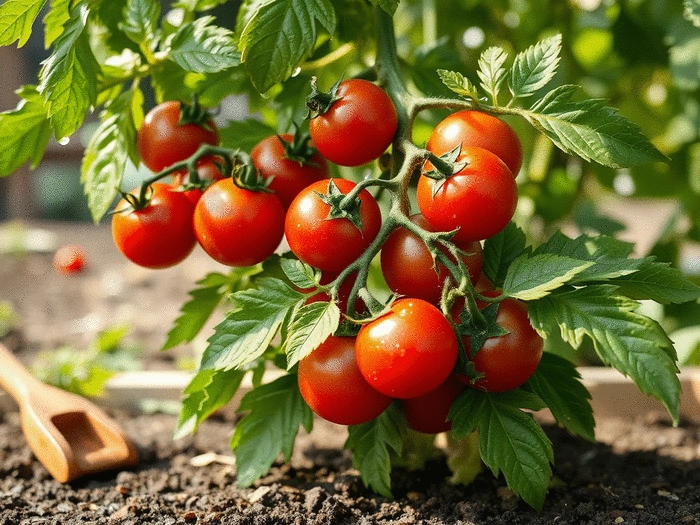
Importance of Going Organic
- ✓ Health Benefits (chemical-free)
- ✓ Positive Environmental Impact
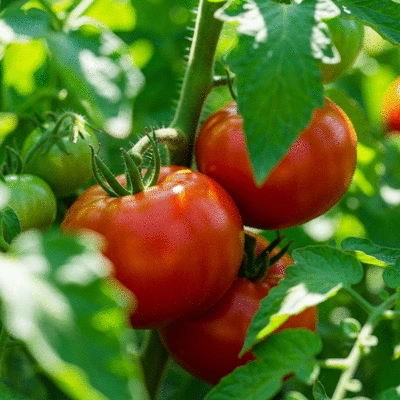
- ✓ Richer, More Vibrant Flavor
Join Clara M. Greene's community for expert tips and seasonal guides tailored for American gardeners.
Posted on: 2026-04-16
By: Clara M. Greene
What if I told you that the way you grow tomatoes could not only enhance your garden but also contribute to a healthier planet? Embracing organic practices goes beyond just avoiding chemicals; it's about cultivating a vibrant ecosystem that benefits both your health and the environment.
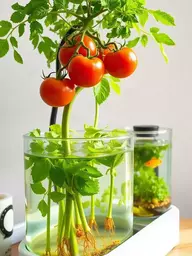
This visual summarizes the essential organic practices for growing tomatoes and the benefits they offer, alongside reasons why organic cultivation is crucial for healthier produce and a thriving garden ecosystem. For those new to sustainable gardening, these organic gardening tips for beginners can provide a solid foundation.
When it comes to growing tomatoes, embracing organic practices is a game changer! Going organic means cultivating your plants without synthetic fertilizers and pesticides, letting nature do its magic. This not only benefits your garden but also contributes positively to the environment. As a passionate gardener and advocate for sustainable practices, I believe that organic gardening provides healthier options for you and your family.
Plus, the flavor of organically grown tomatoes is often richer and more vibrant. It’s about nurturing the soil, the plants, and ultimately, our health. So, let’s explore why going organic is crucial for your tomato cultivation journey!
Choosing organic methods to grow tomatoes is more than just a trend; it’s a commitment to the land and our health. Here are a few compelling reasons why organic practices are essential:
By adopting organic practices, you’re not just enhancing your garden, but also supporting a larger movement towards sustainable agriculture. Every small step counts!
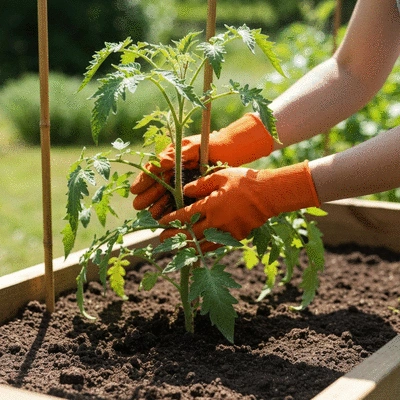
Now that we understand the importance of going organic, let’s talk about the practices that will help you succeed in growing your tomatoes. Here are some top organic methods:
These practices create a thriving environment for your tomatoes, allowing them to flourish without the need for chemicals. Remember, every garden is unique, so tailor these methods to fit your specific growing conditions!
If you’re looking to add a unique twist to your tomato garden, consider growing heirloom varieties. These tomatoes are not only flavorful but also come with a rich history and diverse characteristics. Here’s why heirloom tomatoes should be on your radar:
As a gardener, I love experimenting with different heirloom varieties because each one tells a story and brings something special to the table. Give them a try—you might just find your new favorite tomato!
As you embark on your organic tomato-growing journey, what challenges are you most excited to tackle? Share your thoughts below:
A: The main benefits include consuming chemical-free produce, promoting a healthier environment through biodiversity, and enjoying a richer, more vibrant flavor compared to conventionally grown tomatoes.
A: Key practices include crop rotation to prevent disease, using natural fertilizers like compost and manure, and implementing natural pest management techniques such as companion planting and attracting beneficial insects.
A: Heirloom varieties offer unique diversity in shapes, sizes, and colors, exceptional flavor profiles, and the ability to save seeds for future seasons, promoting sustainability in your garden.
A: Prioritize soil health by using organic amendments like compost, performing regular pH tests, and ensuring good drainage. Healthy soil is fundamental for thriving organic plants.
A: Natural pest control methods include companion planting (e.g., marigolds, basil), attracting beneficial insects (e.g., ladybugs), and using organic sprays as a last resort. Regular monitoring helps catch issues early.
As we wrap up our exploration of organic tomato cultivation, it's essential to highlight the best practices that can transform your gardening experience. Growing organic tomatoes isn't just about using natural methods; it's about creating a thriving ecosystem in your garden. Here’s a quick look at the key takeaways you should keep in mind:
By following these practices, you'll not only promote healthy tomato plants but also enjoy a more sustainable gardening journey. Remember, every step you take towards organic gardening contributes to a healthier planet!
For those of us who are passionate about home gardening, here are the most critical points to keep in mind as you embark on your tomato-growing adventure:
With these insights, I hope you feel empowered to cultivate your own organic tomatoes! Always remember, gardening is a learning experience, and each season brings new opportunities to grow—both your plants and your skills!
One of the most rewarding aspects of gardening is the sense of community it fosters. Sharing your experiences, challenges, and successes with fellow gardeners can be incredibly enriching. At All American Gardeners, we believe in the power of connection and support within our gardening community.
I encourage you to share your tomato-growing journey with others! Whether it's through social media or local gardening clubs, sharing your challenges and triumphs can inspire others. Here are some ways to engage:
Engaging with others not only enhances your knowledge but also builds lasting friendships. Plus, who doesn’t love talking about their garden? It’s a great way to celebrate the joys of growing!
Continuous learning is crucial in gardening, especially when it comes to organic practices. Fortunately, there are abundant resources available to help you improve your skills and knowledge. Here are some valuable options:
By utilizing these resources, you’ll stay updated on the latest in organic gardening. The more you learn, the more successful your gardening endeavors will be!
One fantastic way to engage with your local gardening community is by joining a Community Supported Agriculture (CSA) initiative. These programs connect you with local farmers and fellow gardeners, allowing you to:
CSA programs are a wonderful opportunity to learn, share, and grow together. Plus, it’s a delightful way to enjoy the fruits of your labor—literally!
Here is a quick recap of the important points discussed in the article: