Water Savings: Drought-Tolerant vs. Traditional Gardening
Traditional
100% Water Use
Drought-Tolerant
50% Water Use
Switching to drought-tolerant plants can reduce water usage by up to 50% during dry spells.
Join Clara M. Greene's community for expert tips and seasonal guides tailored for American gardeners.
Posted on: 2026-03-24
By: Clara M. Greene
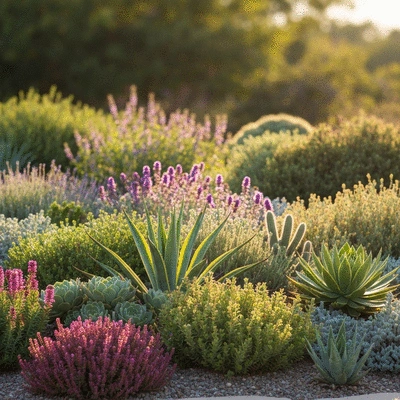
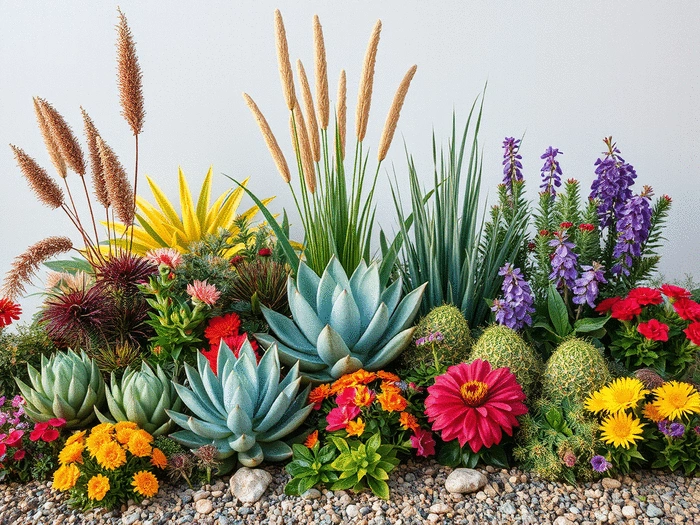
As climate change continues to challenge traditional gardening practices, the shift toward sustainable, water-wise gardening becomes essential. By exploring drought-tolerant plants, you can create a stunning garden that thrives even in dry conditions while conserving precious water resources.
Discover how embracing drought-tolerant plants benefits your garden and the environment, including significant water savings and sustainability. For more insights on maximizing your garden's output, consider exploring organic gardening tips for beginners.
Traditional
Drought-Tolerant
Switching to drought-tolerant plants can reduce water usage by up to 50% during dry spells.
As the climate continues to change, the need for water-wise gardening practices has never been more crucial. Water conservation is especially important in areas prone to drought, where every drop counts. By embracing drought-tolerant plants, we not only conserve water but also create beautiful, sustainable gardens that thrive under challenging conditions!
In my years of gardening, I’ve noticed how many gardeners are eager to learn how to adapt their practices to be more mindful of water use. At All American Gardeners, we encourage you to take action and join the movement toward more sustainable gardening!
Water-wise gardening is becoming a necessity rather than a choice in many regions of the United States. Areas like the Southwest, where drought is frequent, require special attention. By incorporating water-efficient practices, we can significantly reduce our reliance on irrigation while still achieving vibrant gardens. To learn more about selecting plants best suited for your region, check out our guide on low-maintenance plants by USDA zone.
By focusing on these benefits, we create a more resilient environment for ourselves and future generations. It’s heartening to see gardeners everywhere taking this challenge seriously!
Now, let’s clarify what we mean by drought-tolerant and low-water plants. Drought-tolerant plants are species that can survive long periods without water, often thanks to adaptations like deep root systems or thick, waxy leaves. Low-water plants, on the other hand, require minimal irrigation to thrive, making them perfect for sustainable gardens.
Both types of plants play a crucial role in helping us conserve water while creating stunning landscapes. They not only stand up to dry conditions but also often require less fertilizer and pesticide, enriching our gardens’ ecosystems! By selecting these plants, we’re making a choice that benefits both our gardens and the environment.
Choosing the right plants for your garden can make all the difference when aiming for a drought-resistant landscape. Knowing your USDA Hardiness Zone is key, as it helps you select plants that will thrive in your specific climate conditions.
The USDA Hardiness Zones outline the average minimum temperatures in different regions, guiding gardeners in selecting the most suitable plants for their area. This is crucial for ensuring your garden flourishes despite dry spells!
By understanding your zone, you can select plants that not only resist drought but also enhance your garden's beauty and resilience.
Let’s take a closer look at some of my favorite drought-resistant plants. These selections not only tolerate dry conditions but also bring a variety of aesthetics and benefits to your garden.
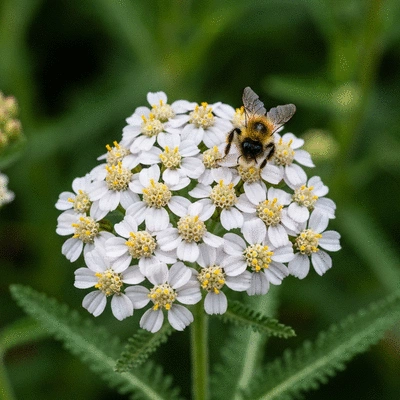
Yarrow is a hardy perennial that boasts beautiful blooms and reaches heights of about 2-3 feet. It’s also a favorite among pollinators, making it a great choice for biodiversity!
This cheerful flower adapts well to various soil types and offers vibrant yellow blooms that bring joy to any garden. It’s a true workhorse, reliable even during dry spells!
With its stunning blueish-purple flowers, Russian Sage thrives in poor soil and attracts bees. It’s a must-have for any drought-tolerant garden!
Coneflowers are not only beautiful but also offer medicinal benefits. They bloom for an extended period, ensuring your garden is filled with color throughout the summer.
This radiant flower brings heat tolerance and vibrant colors to your landscape. It’s perfect for adding a lively touch to your garden during warm weather!
Lantanas are known for their resistance to deer and drought. Their clusters of colorful blooms attract butterflies, making them ideal for a lively garden!
This ornamental tree is prized for its beautiful flowers and hardiness across various zones. It adds height and interest to your landscape!
Salvia varieties are excellent for attracting bees and butterflies while thriving in full sun. They bring both beauty and ecological benefits!
Agaves are low maintenance and striking in appearance, offering a unique touch to any garden. Their architectural forms make them stand out!
Ornamental grasses provide versatility and movement in the garden. They are perfect for creating beautiful landscapes while requiring minimal water! For more tips on nurturing your garden, explore our essential plant care tips for home gardeners.
Don’t forget succulents and cacti! These low-maintenance plants come in various shapes and colors. They are not only drought-tolerant but also bring a modern flair to your garden.
These vibrant flowers bring joy and color to your drought-tolerant landscape. They are perfect for brightening up any area while requiring little water.
As you consider incorporating drought-tolerant plants into your garden, we want to hear from you! What challenges have you faced in selecting the right plants for your climate? Share your experiences and let us know how we can assist you in your gardening journey:
Drought-tolerant plants are species that can survive long periods without water. They often have adaptations like deep root systems or thick, waxy leaves that help them conserve moisture.
They significantly reduce water usage, lower maintenance needs, enhance soil health, support local wildlife, and decrease the need for chemical fertilizers and pesticides, contributing to a more sustainable ecosystem.
Drought-tolerant plants are equipped to survive extended dry periods, while low-water plants simply require minimal irrigation to thrive. Both are excellent choices for water-wise gardening.
Your USDA Hardiness Zone indicates the average minimum winter temperatures in your area. This information is crucial for selecting plants that are compatible with your local climate and can survive and thrive there, especially in dry conditions.
Yes, by reducing your reliance on irrigation, drought-tolerant plants can lead to significant savings on your water bill. They also tend to require less overall maintenance, saving time and money on upkeep.
When it comes to sustainable gardening, drought-tolerant plants not only beautify our spaces but also bring remarkable benefits to our environment! To illustrate these savings, let's introduce a handy "Water Savings Calculator" that helps quantify just how much water you can save by opting for these resilient plants. This tool allows gardeners to see the tangible impact of their choices, empowering them to cultivate greener, more sustainable gardens.
Picture this: by switching to drought-tolerant varieties, a gardener can reduce their water usage by up to 50% during dry spells! Imagine the difference it can make in your community as more gardeners adopt this practice. Embracing drought resistance isn't just a personal benefit; it contributes to the overall health of our ecosystems.
Choosing drought-tolerant plants can also be a wise financial decision. While some might assume that these plants come with a hefty price tag, there are plenty of affordable options available! Here's a list of budget-friendly drought-tolerant plants you can consider:
By selecting these plants, you can not only save on your water bill but also minimize long-term maintenance costs. Drought-tolerant gardens require less watering and upkeep, making them a smart investment for any gardener!
Growing drought-tolerant plants is an essential step towards sustainable gardening practices. These plants are often native species, which means they are well-adapted to local climates and require less care and resources. This not only conserves water but also supports local wildlife and promotes biodiversity in your garden. For more information on enhancing your garden's health, consider our tips on achieving healthy soil for thriving gardens.
By choosing to plant drought-tolerant varieties, you're not just creating a beautiful landscape—you're fostering a sustainable environment that benefits both your garden and the planet!
Here is a quick recap of the important points discussed in the article: