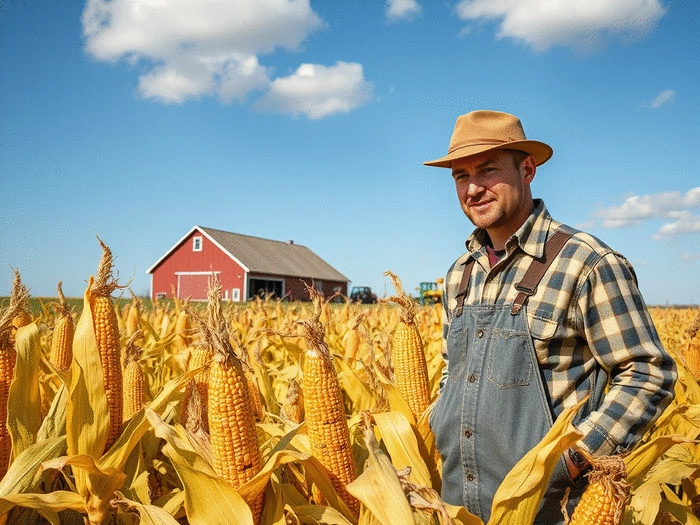
1. Fall Harvest Timing
Crucial for yield quality & storage success.
Optimal Moisture:
15-20%
Risk:
Early Frost & Mold
Join Clara M. Greene's community for expert tips and seasonal guides tailored for American gardeners.
Posted on: 2026-05-22
By: Clara M. Greene
Have you considered how your fall preparations could significantly impact next year's harvest? As the Midwest Corn Belt transitions from the warm embrace of summer to the crispness of autumn, it's vital to focus on effective harvest strategies and winter prep practices.
A proactive approach is essential for optimal yields and soil health. This visual outlines the critical steps from harvest to winter preparation. For more detailed guidance on maintaining optimal soil conditions, explore our tips for healthy soil for thriving gardens.
Crucial for yield quality & storage success.
Optimal Moisture:
15-20%
Risk:
Early Frost & Mold
Bolster soil health & fertility.
As we transition from the vibrant days of summer into the cooler embrace of fall, it's crucial to focus on the fall harvest and winter preparation. In the Midwest Corn Belt, this season isn’t just a time for gathering crops; it’s a pivotal moment for ensuring the health and productivity of your soil and future yields. Embracing these practices means being ready to face winter with confidence!
Timing your harvest correctly can make all the difference in yield quality and storage success. I’ll share some insights that I've gathered over the years working with U.S. gardeners and farmers, so you can make the most of this critical period!
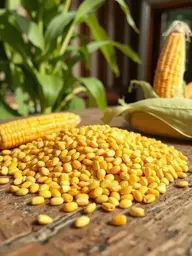
Harvesting corn at the right time can prevent issues like reduced quality and increased spoilage. Typically, corn should be harvested when its moisture content is around 15-20%. This range ensures that the kernels are well matured while minimizing the risk of mold during storage. Timing your harvest effectively also helps avoid potential damage from early frost, which can be common in the Midwest.
By paying close attention to these factors, you can boost your overall results and quality in the long run. Remember, it’s all about being proactive—this approach connects directly with the mission of All American Gardeners, which is about empowering gardeners and farmers alike! To further support your planning, consider our comprehensive guide on understanding frost dates by zone.
Preparing for winter goes beyond just putting your tools away. It’s about ensuring your land and equipment are ready for the cold months ahead. Here are some key considerations:
By addressing these considerations, you not only protect your investments but also set the stage for a productive spring. It’s all part of fostering that love for nature and sustainable practices that I hold dear!
Crop rotation isn’t just a buzzword; it’s a fundamental practice that can significantly influence your fall harvest success. Rotating your crops helps reduce soil depletion and the likelihood of pest infestations. For example, alternating corn with legumes can enhance soil nitrogen levels, leading to healthier plants in subsequent seasons.
Implementing a thoughtful crop rotation strategy can lead to healthier plants and better yields year after year, which aligns with the goals of All American Gardeners to cultivate thriving outdoor spaces!
Winter cover crops are a fantastic way to bolster your soil health during the colder months. These crops not only protect the soil from erosion but also improve its structure and fertility. Popular options include rye, clover, and vetch, all of which can enhance nutrient availability when spring arrives.
Utilizing cover crops is a sustainable practice that resonates with my passion for gardening and ensures a bountiful garden in the years to come. Remember, healthy soil is the backbone of any successful harvest!
As you prepare for the upcoming winter months, what strategies or tips do you find most effective for ensuring a successful harvest? Share your thoughts below:
The optimal moisture content for harvesting corn to ensure quality and minimize spoilage is typically around 15-20%.
Winter preparation is crucial for ensuring the health and productivity of your soil and future yields. It involves inspecting equipment, planning crop rotation, and considering cover crops to protect and enrich the soil during colder months.
Crop rotation helps reduce soil depletion, combats pest infestations, and can enhance soil nitrogen levels (e.g., by alternating corn with legumes), leading to healthier plants and better yields.
Popular winter cover crops include rye, clover, and vetch. These crops protect the soil from erosion, improve its structure, and enhance nutrient availability for the next growing season.
Farmers should regularly monitor local weather forecasts for frost warnings and plan harvest activities around dry weather. This helps optimize efficiency and avoid potential damage to crops.
As we wrap up the growing season, it's crucial for farmers in the Midwest Corn Belt to focus on a smooth transition from harvest to winter preparation. I often remind my fellow gardeners that the right steps taken now can lead to healthier crops and a more productive season next year! Here are some key takeaways to keep in mind.
By integrating these practices into your routine, you’ll set yourself up for a successful transition. Remember, each season is a building block to the next, so let's make the most of it!
Having a clear checklist can streamline your transition from harvest to winter prep. Here’s a handy list to help guide your efforts and ensure you don't miss anything important!
With this checklist, you'll be prepared to tackle the off-season with confidence! Each task contributes to a more sustainable farming practice and keeps the soil in good shape for planting in spring. For more insights on seasonal tasks, check out our guide on fall garden cleanup for all zones.
Being proactive rather than reactive can drastically improve your farming outcomes. I always advocate for taking the time to plan ahead and anticipate challenges that may arise during winter. By focusing on preventative practices, you can reduce stress and enhance productivity.
When you take these steps, you're not just preparing for winter; you're establishing a mindset of continuous improvement that will benefit your whole farming operation!
Lastly, it’s essential to grasp how commodity markets can influence your farming decisions. Prices for crops fluctuate, impacting everything from planting choices to storage methods. Staying informed about market trends can help you make strategic decisions that align with your goals.
By understanding the market landscape, you can make more informed decisions that enhance your farm’s sustainability and profitability. Remember, knowledge is power! Additionally, for those interested in specific planting strategies, consider learning about effective succession planting strategies.
Here is a quick recap of the important points discussed in the article: